
After nearly 50 hours of travel each way, our 20 days under the Greek sun were absolutely worth it. My phone is full of photos of food, landscapes and local cats, but here’s a concise photo journal highlighting the trip’s most memorable moments.
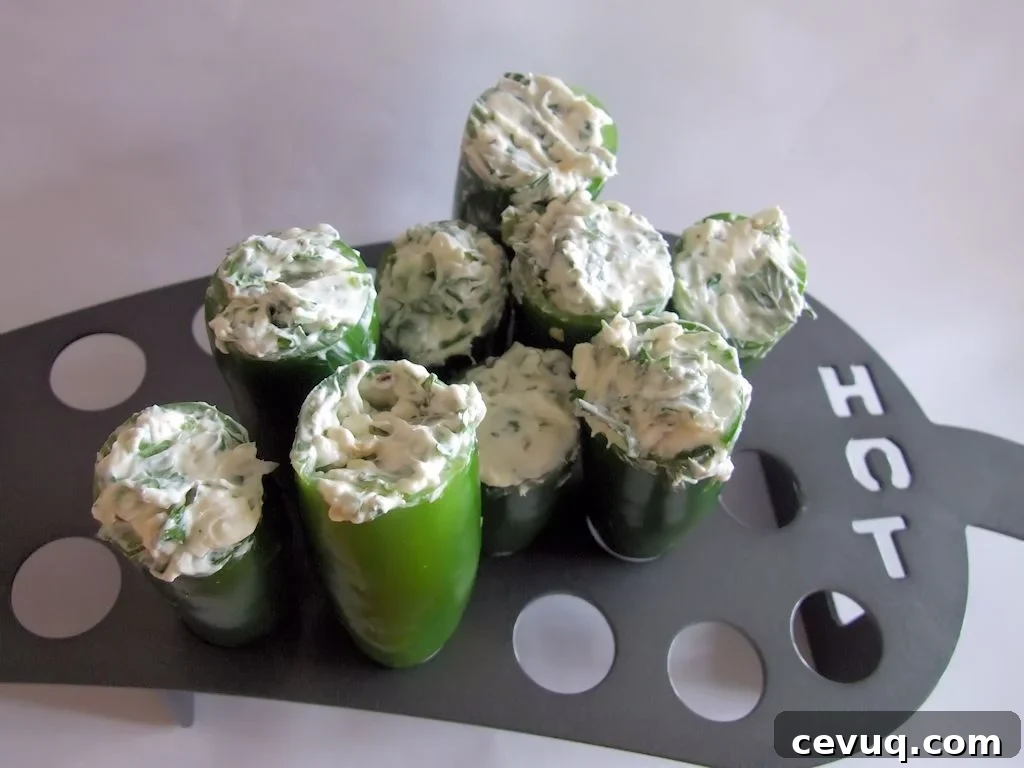
I first tasted stuffed jalapeño poppers while working for an American company in Scotland, and I’ve missed them ever since. Outside of pickled, sliced jalapeños in jars, fresh jalapeños are not always easy to find in large quantities in Britain. In Texas I was surprised to find a pound of fresh jalapeños for about $1 … Read more
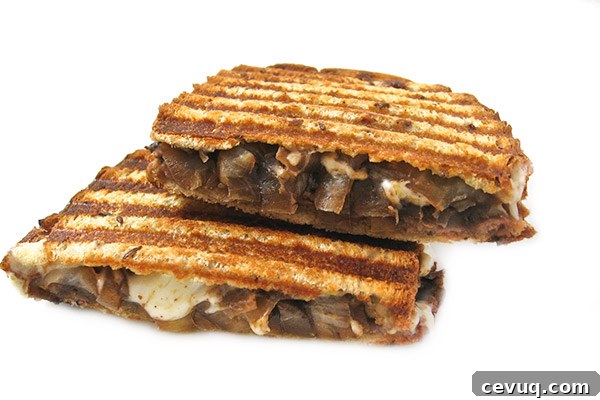
Skinny Grilled Cheese and Roast Beef Topped With Guinness Caramelized Onions No ratings yet Print Recipe Pin Recipe Prep Time 10 mins Cook Time 25 mins Total Time 35 mins Course Main Course Cuisine American Servings 2 Calories 394 kcal Ingredients 2 cups onions, sliced ½ cup Guinness (beer) 1 tablespoon Worcestershire sauce 1 … Read more

After nearly 50 hours of travel each way, our 20 days under the Greek sun were absolutely worth it. My phone is full of photos of food, landscapes and local cats, but here’s a concise photo journal highlighting the trip’s most memorable moments.
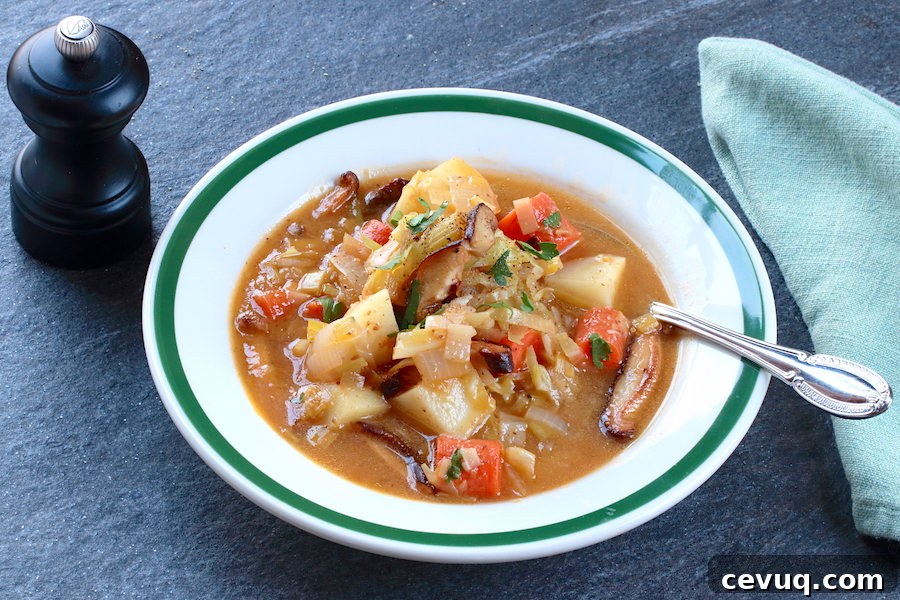
Enjoy a healthy Vegan Irish Stew for St. Patrick’s Day or anytime you want a comforting, plant-based meal. Dried mushrooms are rehydrated and blended into the broth to add depth of flavor and color. For an even darker broth, you can briefly simmer onion skins in the stock and remove them before proceeding. This Vegan … Read more
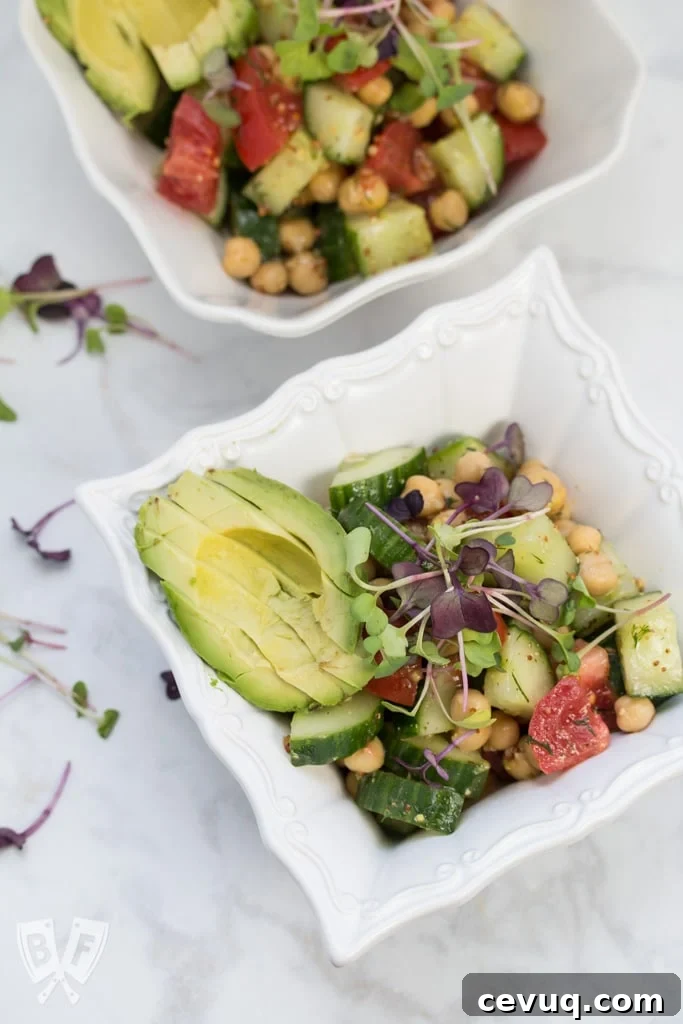
This quick, hearty make-ahead salad is perfect for lunch on the go or as a fresh, flavorful last-minute addition to any meal. Disclosure: Special thanks to REBBL for sponsoring this post. As always, all opinions are my own. Lately things have been hectic here, and some days I glance at the clock and realize it’s … Read more
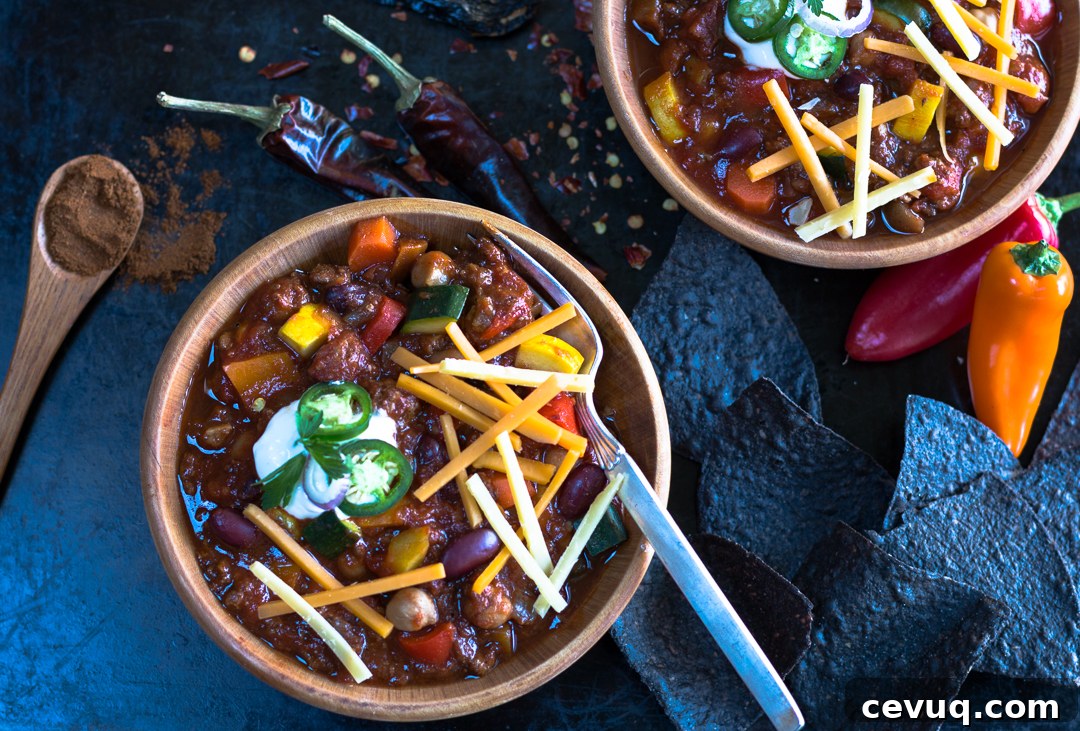
A hearty bowl of chili packed with extra vegetables, smoky chipotles and Karen’s homemade chili powder for deep, satisfying flavor. Turkey chili in individual bowls, topped with cheeses, sour cream, onions and jalapeño. Karen’s homemade chili powder — toasted and ground chiles for a true, deep chili essence. Top as you like. Great served with … Read more
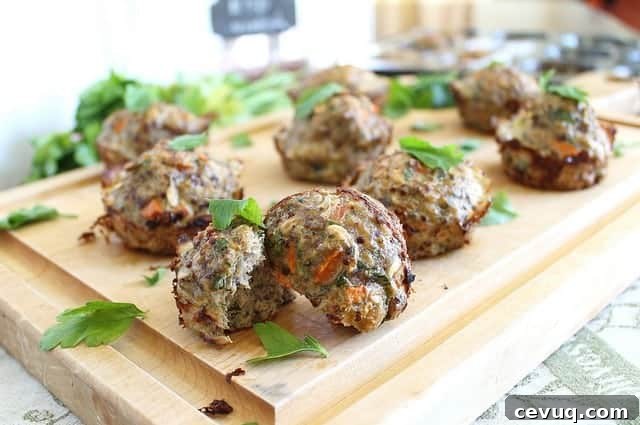
These turkey quinoa muffins are small meatloaf-style bites that are high in protein and roughly 100–130 calories each, depending on portion size. Full disclosure: there’s only so much you can do to prettify muffins made mostly from ground turkey, quinoa and eggs. Think of it as garnish on a humble but satisfying snack—appearance isn’t everything, … Read more
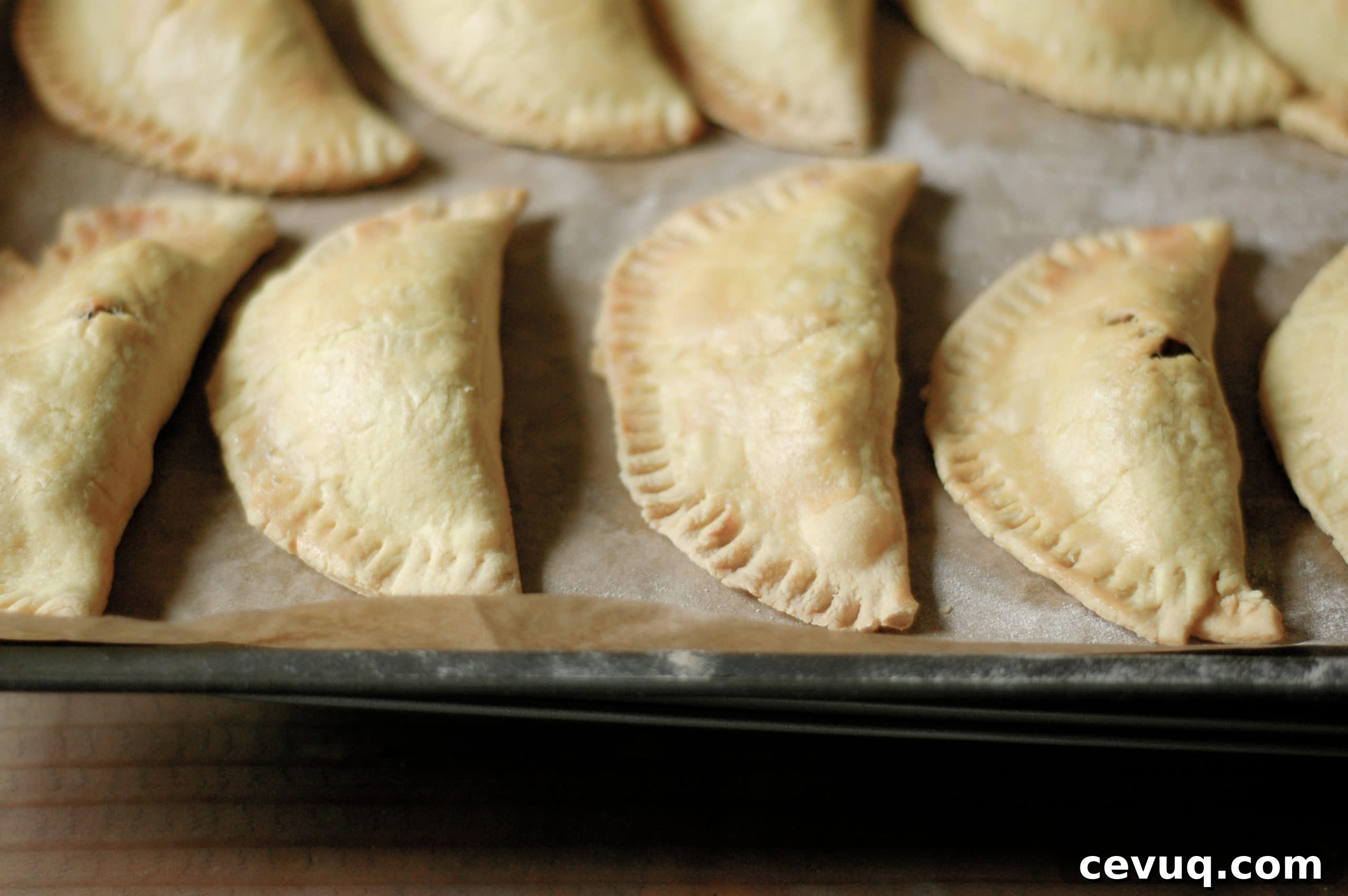
Homemade Jamaican Beef Patty recipe (Beef Patties) made with flaky pastry and a flavorful, mildly spicy beef filling. The Jamaican beef patty is a dish that brings back vivid childhood memories. I can still picture the first time I learned to read and how exciting it felt to sound out words on the page. That … Read more
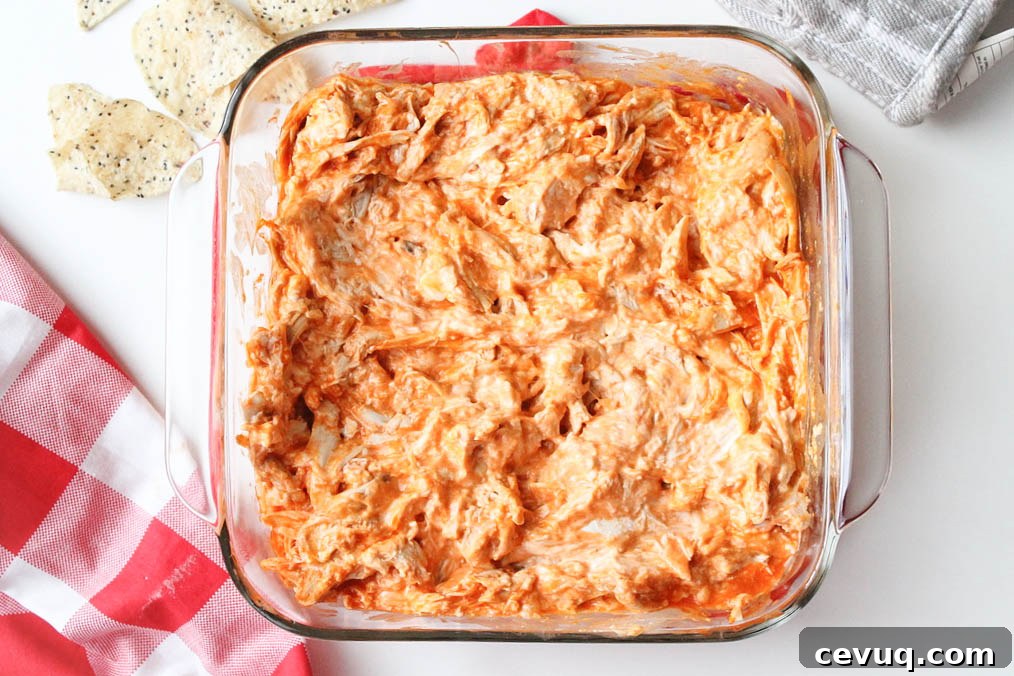
Jump to Recipe Gluten-free buffalo chicken dip uses just four simple ingredients. It’s creamy, cheesy, and carries the bold, spicy flavor of hot wings. Ready quickly, this comforting dish works perfectly as a party appetizer or an afternoon snack. This recipe is straightforward, dependable, and a crowd-pleaser. About The Gluten Free Buffalo Chicken Dip This … Read more
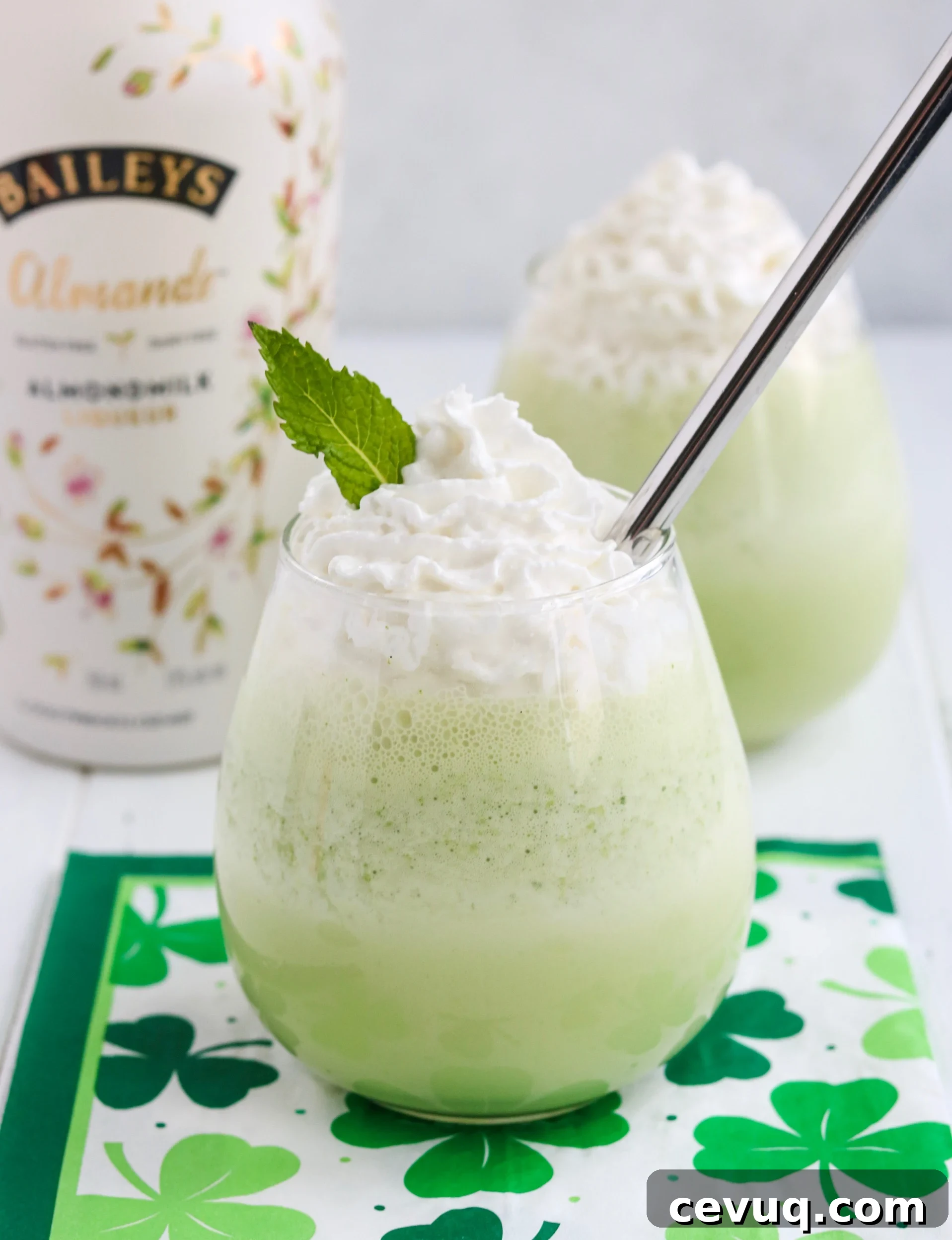
This Spiked Shamrock Shake is a dairy-free, gluten-free, vegan take on the classic festive green shake—perfect for St. Patrick’s Day celebrations. When readers asked for St. Patrick’s Day ideas, a Shamrock Shake topped the list. I’m excited to share this version because it’s dairy-free, gluten-free, and vegan. For a boozy option I like to add … Read more