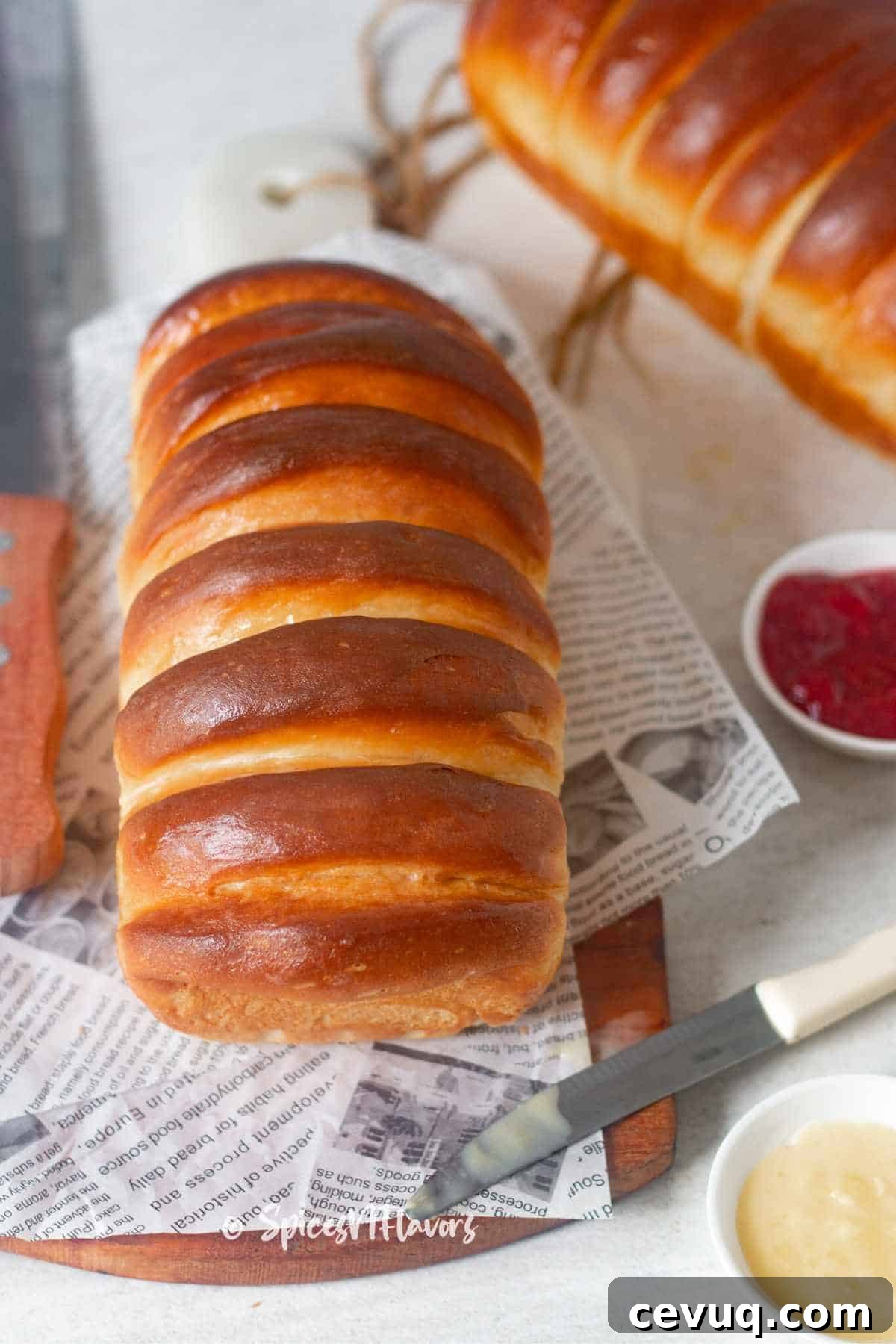
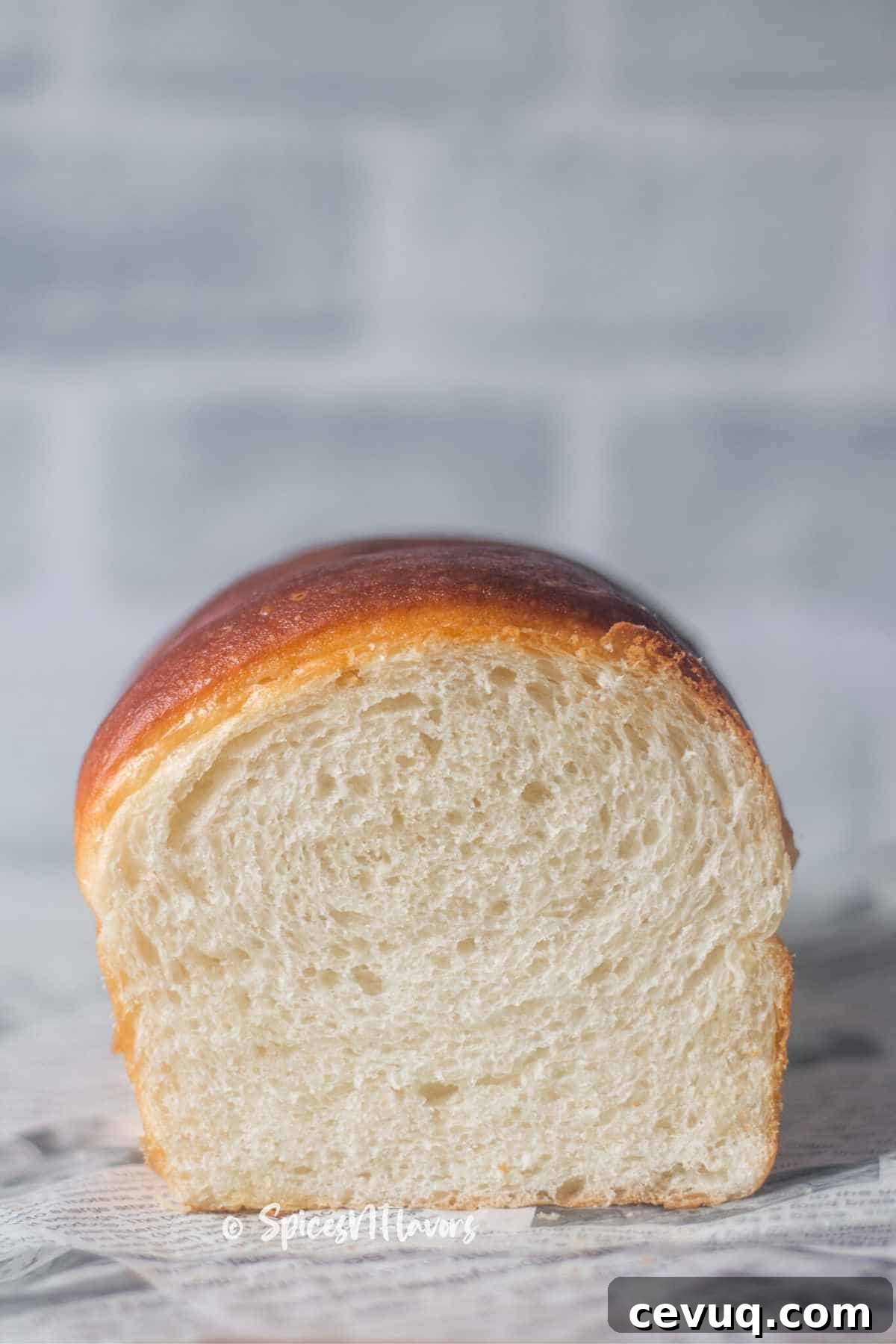
Deliciously soft and fluffy with a gentle sweetness, this condensed milk bread is an exceptional sandwich loaf known for its rich, tender texture. It makes outstanding grilled cheese, and its pillowy crumb is perfect for the lightest French toast or a comforting bread pudding.
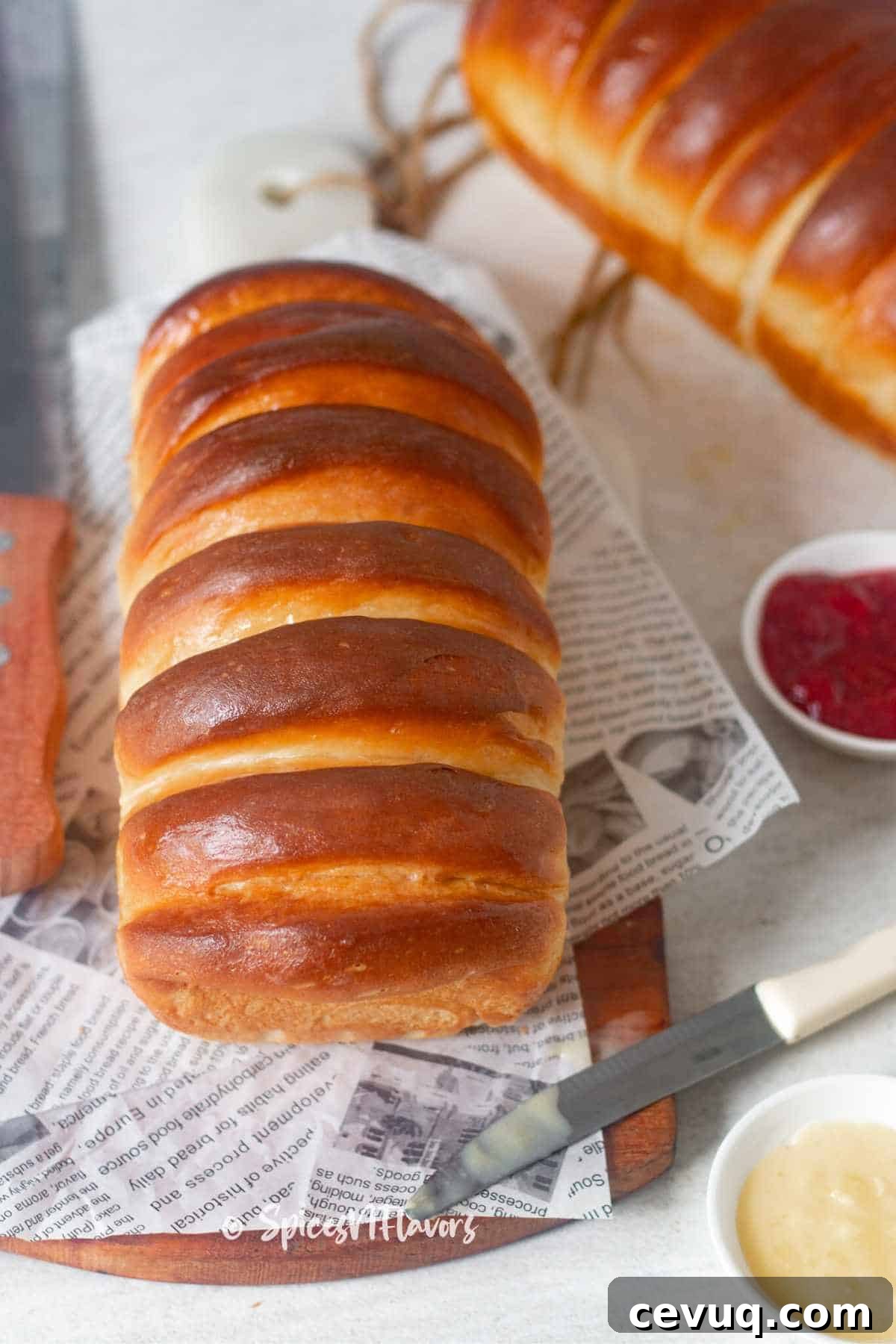
👩🏼🍳 What does condensed milk bread taste like?
Lightly sweet, very soft, and wonderfully fluffy. If you enjoy enriched doughs like brioche or Hokkaido milk bread, this loaf will feel familiar — but it’s simpler to make. The condensed milk subtly enhances texture more than sweetness, adding richness and tenderness. A thin condensed milk glaze on top boosts the flavor and sheen.
Use this bread for French toast, bread pudding, sandwiches, or simply enjoy a slice plain. It’s an excellent way to use leftover condensed milk and is so good you may want to bake it often.
📌 What does condensed milk do in bread?
Condensed milk adds fat, sweetness, and moisture, creating a tender, soft crumb. Made from whole milk cooked down with sugar, it contributes richness that mimics some effects of eggs in enriched doughs. That makes it a useful egg alternative in many baked goods while lending a mild caramel note.
📝 Ingredients – Substitutions and Notes
Print or record these quantities before you begin.
- 250 g (1 cup) warm milk — about 90–110°F (too cold won’t activate yeast; too hot will kill it).
- 105 g (1/3 cup) sweetened condensed milk
- 60 g (1/4 cup) yogurt or substitute 1 egg
- 390 g (3 1/4 cups) all-purpose flour
- 15 g milk powder — optional but recommended for extra milky flavor
- 8 g (2 tsp) instant yeast
- 1 tsp salt
- 57 g (1/4 cup) unsalted butter, softened or melted
For the glaze:
- 3 tbsp condensed milk
- 1 tbsp unsalted butter, softened to room temperature
👩🏼🍳 Step-by-Step Instructions
Step 1 – Prepare the bread dough
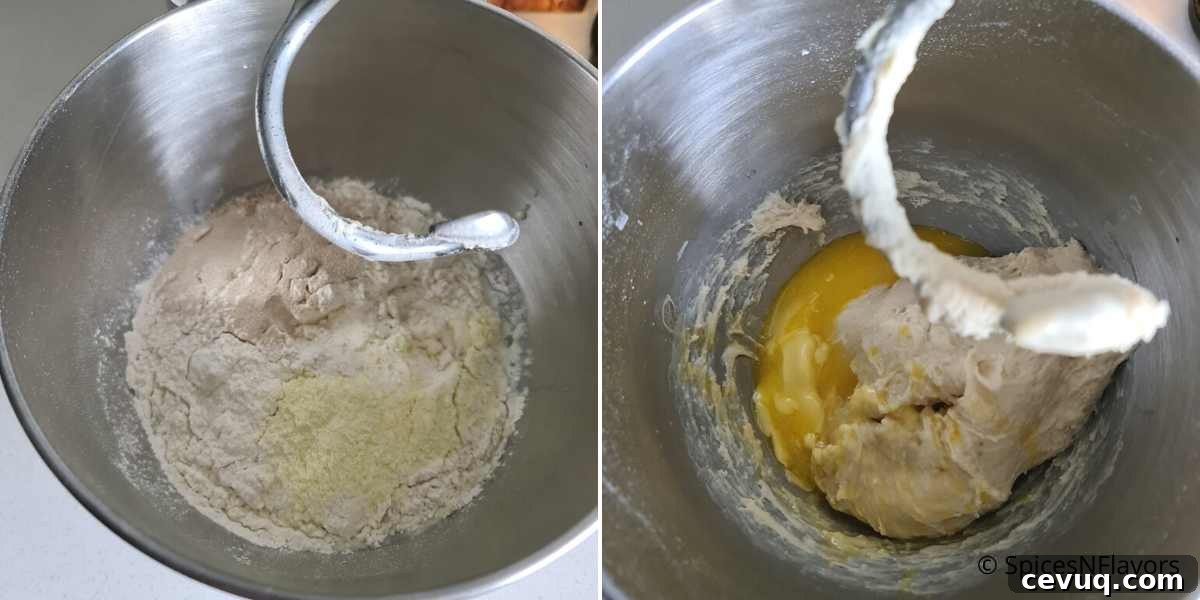
Combine lukewarm milk, yogurt, and condensed milk in the stand mixer bowl. In a separate bowl, mix flour and salt.
Add the flour-salt mixture to the mixer bowl, then add milk powder and yeast. On low speed with a dough hook, blend until combined, then increase speed and knead on medium-high for 8 minutes.
After 8 minutes, add the butter and knead another 4 minutes until the dough is soft and bouncy.
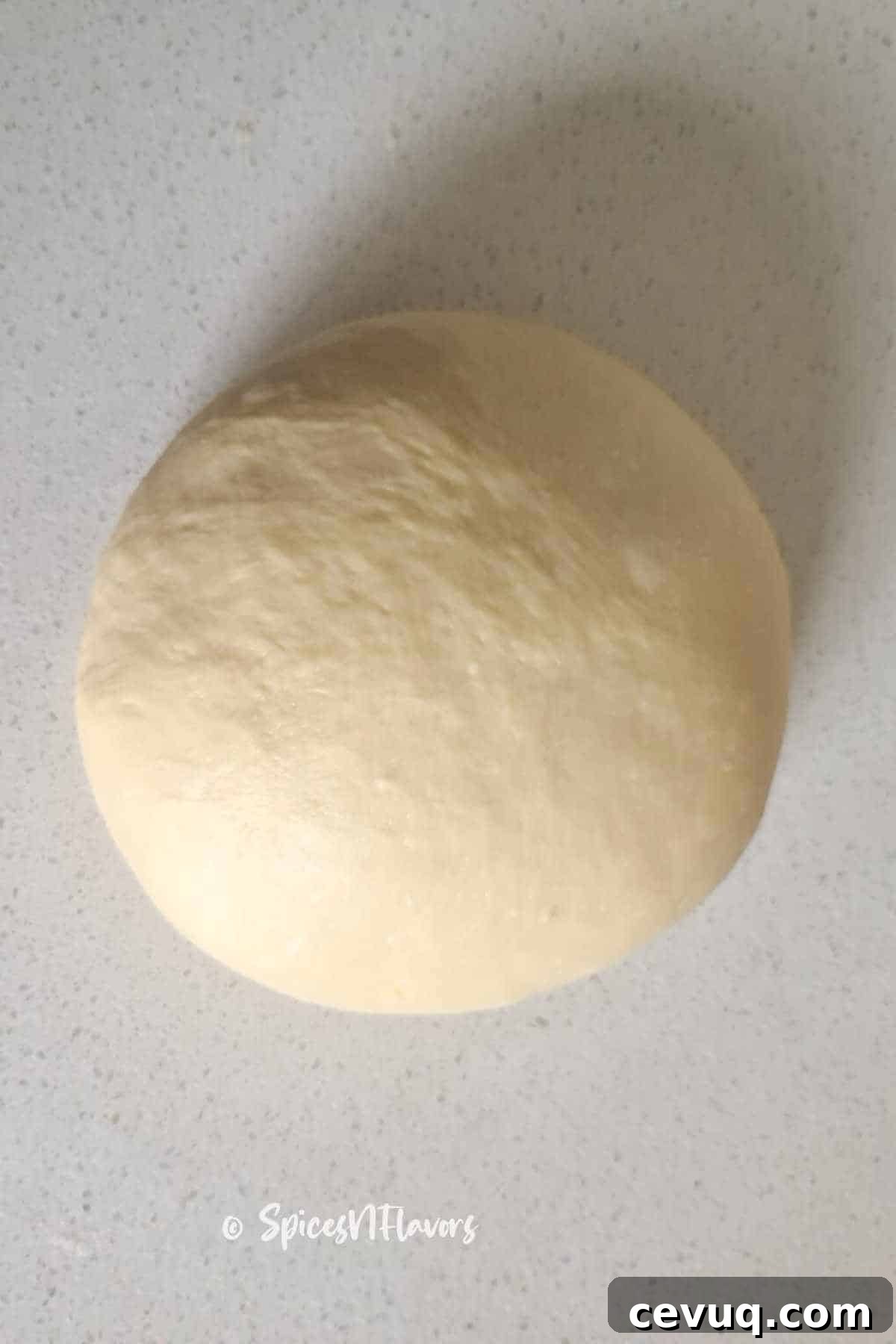
Step 2 – First proofing
Grease a bowl with oil or butter and place the kneaded dough inside. Cover tightly with plastic wrap and a kitchen towel. Let it proof in a warm spot for about 1 hour, or until doubled in size.
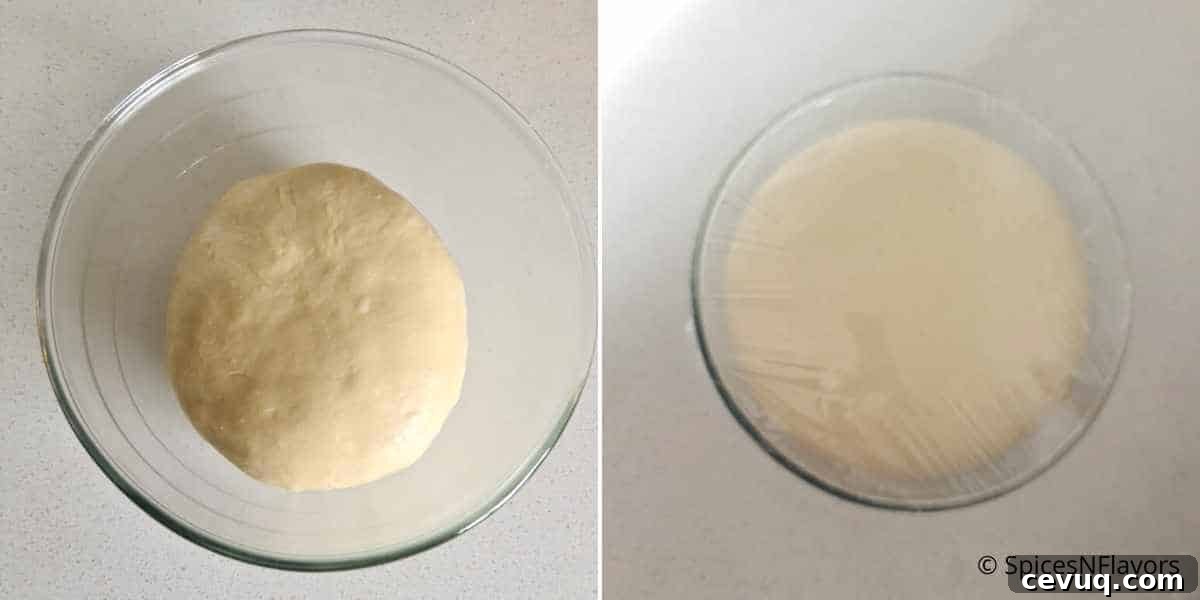
If you prefer, proof in an Instant Pot: grease the inner pot, place the dough inside, cover, select the Yogurt setting and set 30 minutes.
Prepare the loaf pan
While the dough proofs, grease the loaf pan and line the base with parchment paper.
Step 3 – Shaping
Punch down the proofed dough, transfer to a lightly floured work surface, and divide it into two equal halves. Keep one half covered while you shape the other.
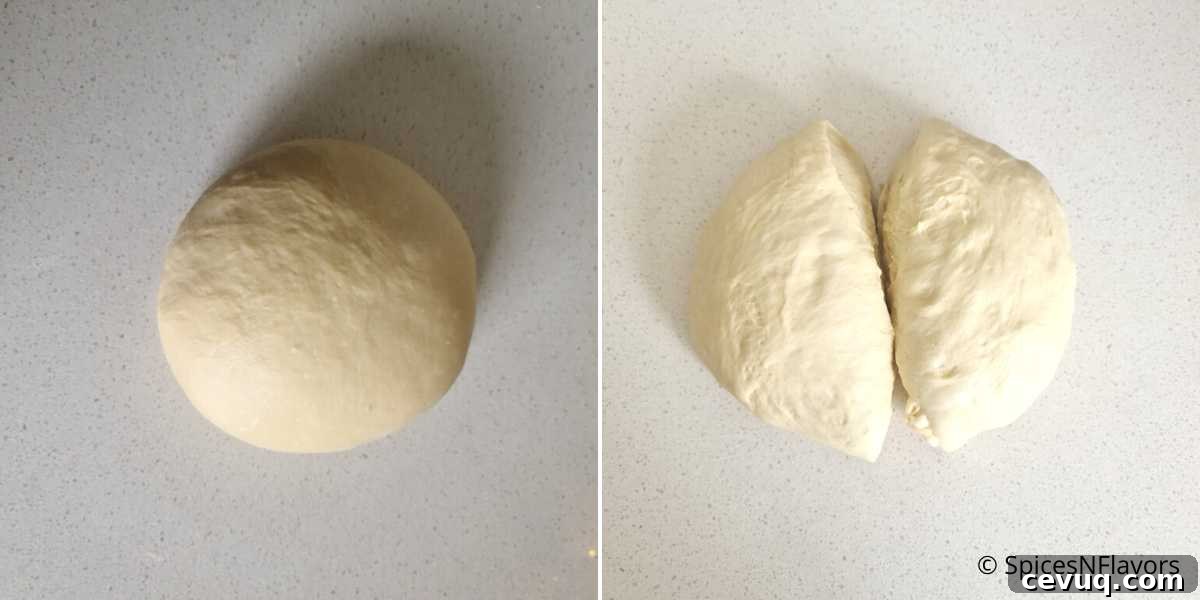
Roll one half into a long rectangle wide enough to fit your loaf pan. Roll from the edge nearest you into a log and pinch the seam to seal. Divide this log into 8 equal portions and place them seam-side down in the prepared pan. Repeat with the remaining half.
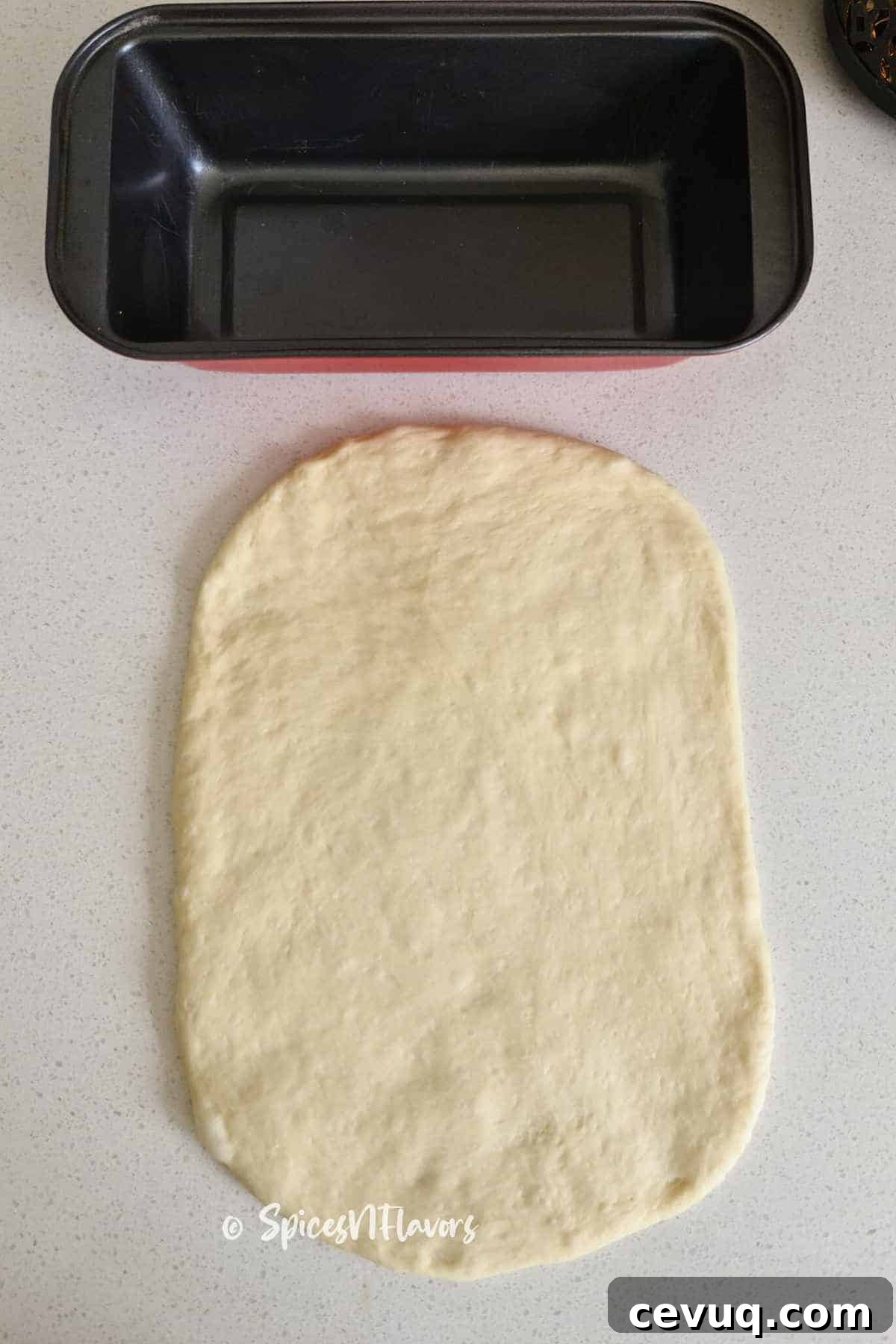
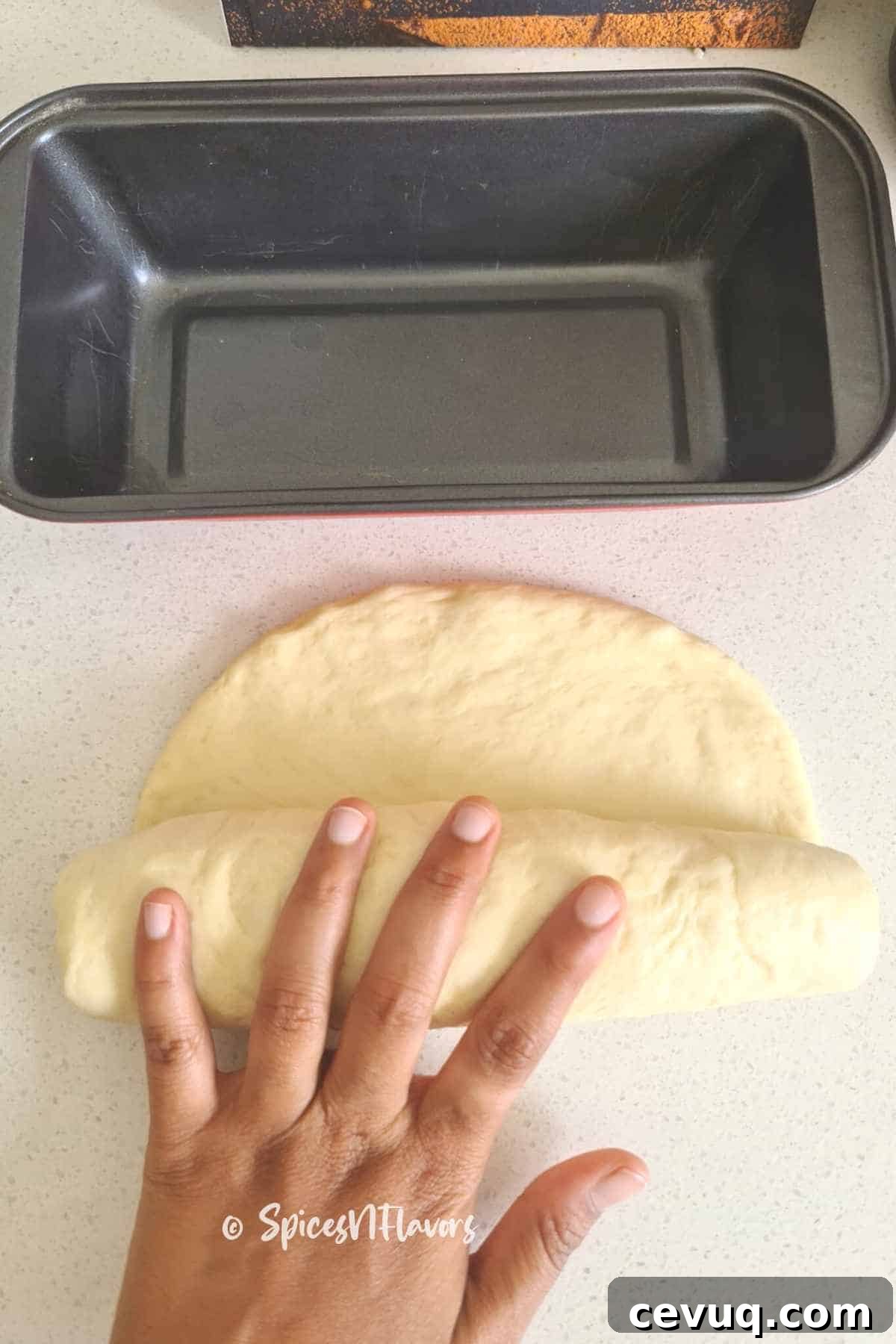
Step 4 – Second proofing
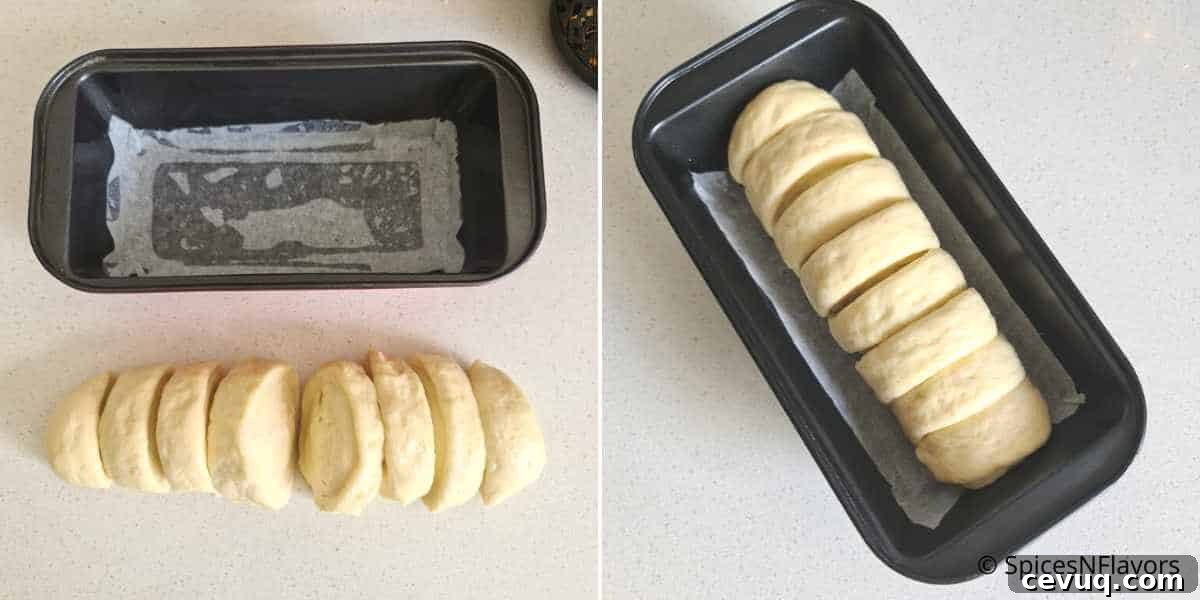
Cover the pan with a tea towel and let the dough rise again for about 25 minutes, or until it reaches the brim of the pan. This enriched milk-style loaf does not require an egg wash before baking.
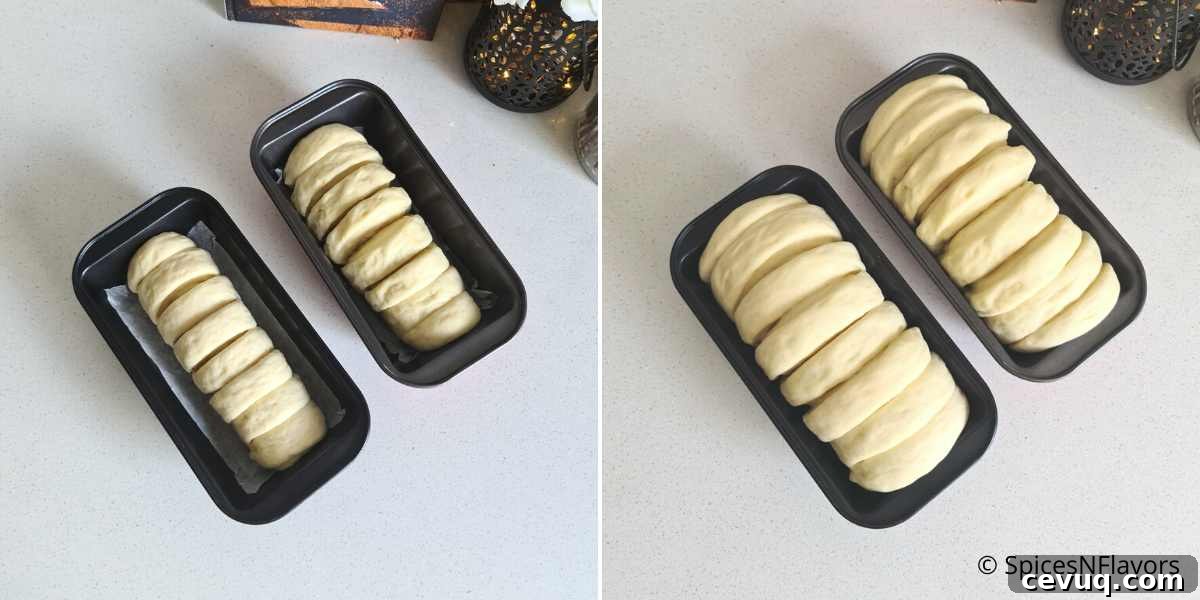
Step 5 – Baking
Preheat the oven to 180°C (350°F). Bake the loaves for 25–30 minutes, until the tops are golden brown and the bottom sounds hollow when tapped.
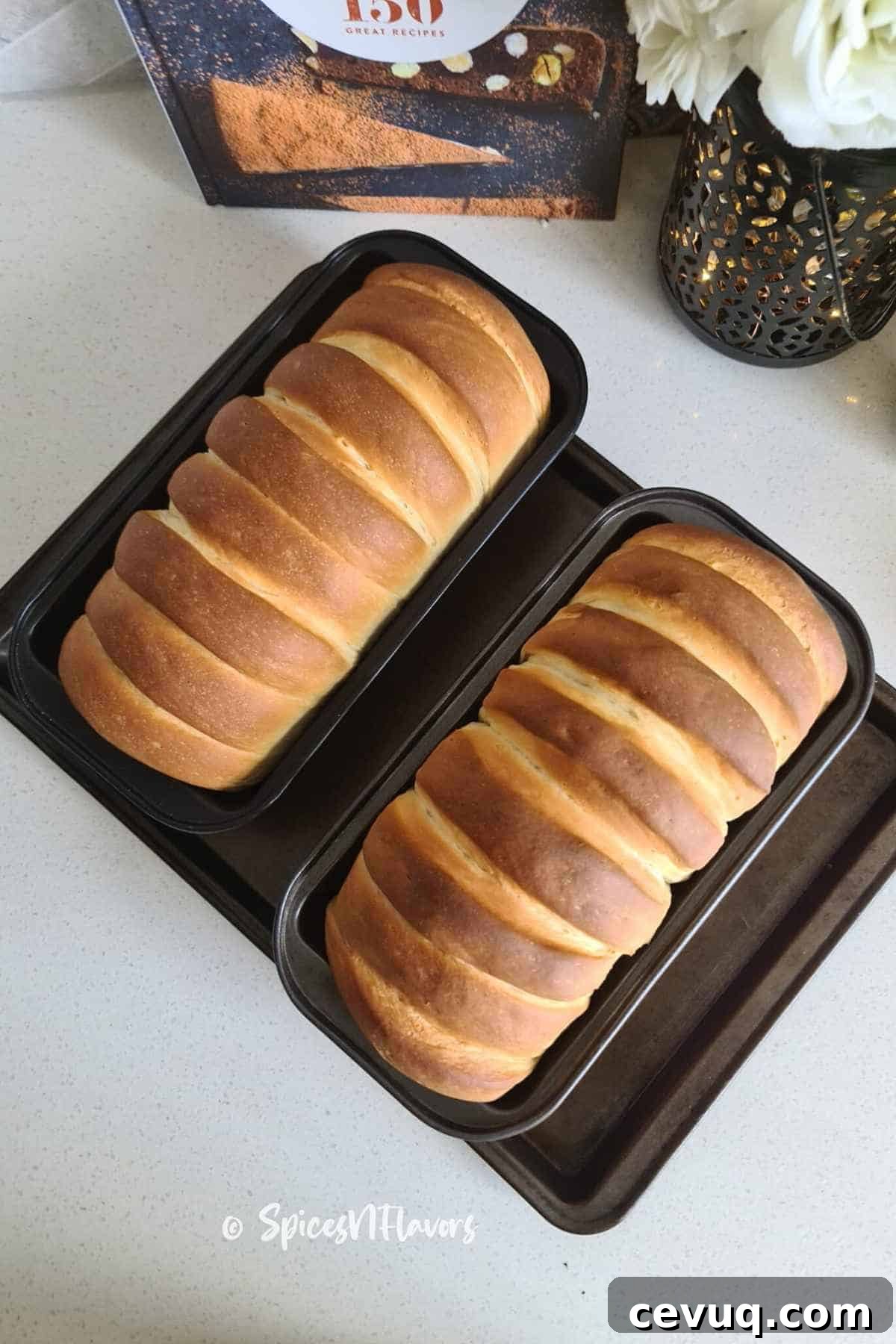
Step 6 – Condensed milk glaze
While the bread bakes, mix softened butter and condensed milk until smooth and spreadable. When the loaves come out of the oven and are still warm, brush the glaze over the tops with a pastry brush. The glaze softens the crust and adds a glossy finish.
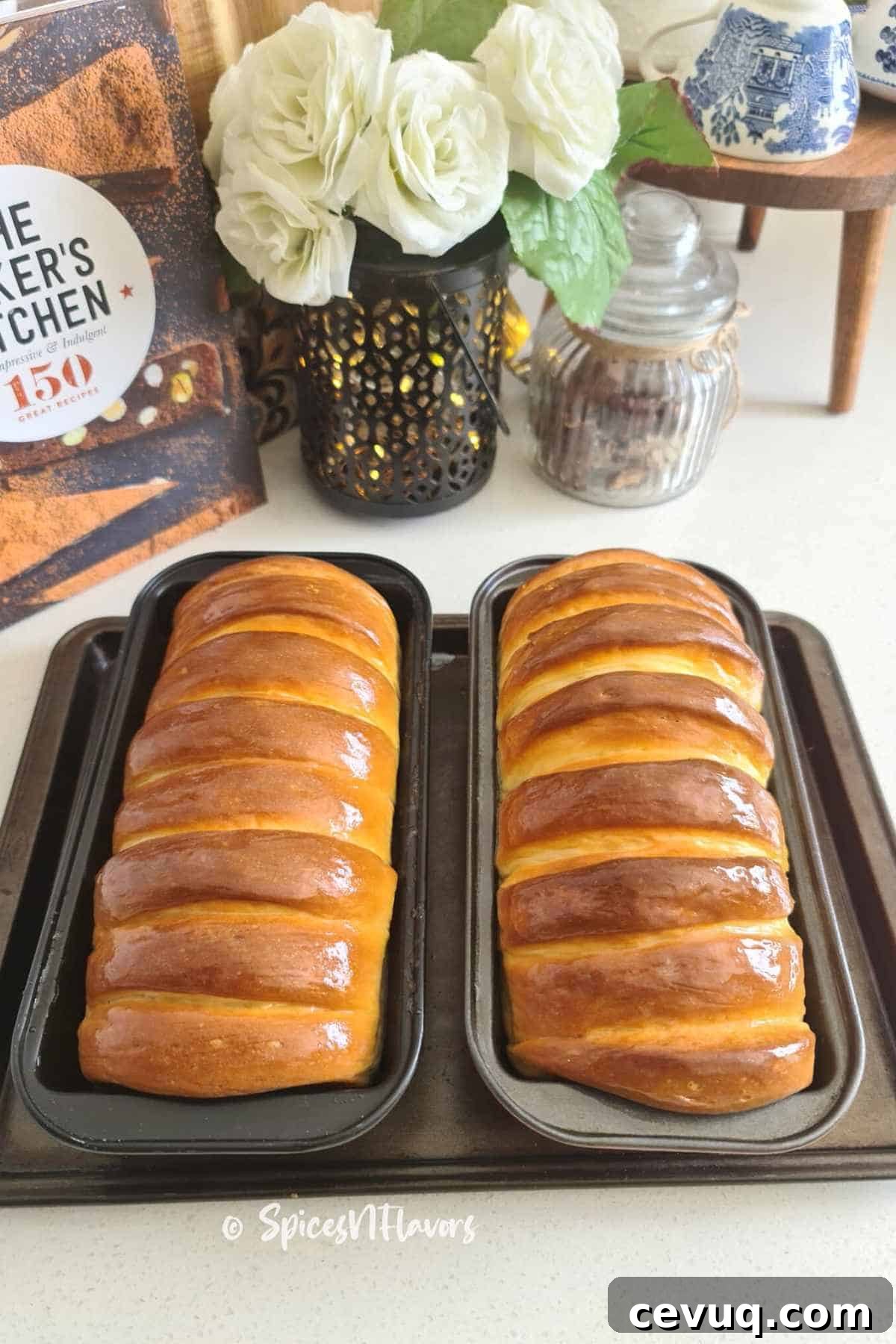
Let the loaves rest in the pan for 5 minutes, then invert onto a wire rack to cool completely. Enjoy warm, or use slices for sandwiches, French toast, or bread pudding.
🍞 Storage Instructions
Fresh homemade bread is best the day it’s baked. Store leftovers in an airtight container at room temperature and consume within 2 days for best texture. For longer storage, double-wrap in plastic and freeze up to 3 months.
Use frozen slices straight from the freezer for toast, or thaw for desserts like bread pudding or French toast served with ice cream.
💡 Baker’s Tips
- Except for the milk, keep ingredients at room temperature. Milk should be warm (90–100°F) to activate yeast without killing it.
- Instant yeast is convenient because it can be mixed directly into the flour. If you use active dry yeast, proof it first per package instructions.
- When rolling and shaping, press and seal seams well so pieces don’t open during baking. Place shaped pieces seam-side down in the pan.
- Keep dough covered while you work to prevent drying.
- You can knead by hand if preferred; the process and timings may vary slightly.
- Preheat the oven and line the pan with parchment for best results. Don’t leave the bread in the pan too long after baking.
- Leftovers make excellent French toast or bread pudding instead of sitting in storage.
- The dough is versatile: try cinnamon rolls, Japanese milk bread, or dinner rolls using the same base.
Frequently Asked Questions
No. Sweetened condensed milk is required for the recipe to achieve the intended caramel-like flavor and to keep the bread soft. Evaporated milk or half-and-half will not provide the same result.
Condensed milk is great for cookies, desserts, and sweets. It pairs well in simple cookie recipes, caramel-style treats, and many condensed-milk-based desserts.
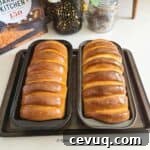
Two small loaf pans work well. A pan around 7.5 x 3.5 x 2.5 inches produces reliable results; a large pullman pan may not yield the same texture.
📝 Related Recipes:
- 17+ recipes to use leftover condensed milk
- 3-ingredient condensed milk cookies
- Hokkaido milk bread
- Turkish simit
Wish to join us for the love of baking? Subscribe to the channel and follow for updates on social platforms for more recipes and tips.
Soft and Fluffy Condensed Milk Bread
Ingredients
- 250 g warm milk (1 cup)
- 105 g condensed milk (1/3 cup)
- 60 g yogurt (1/4 cup) or 1 egg
- 390 g all-purpose flour (3 1/4 cups)
- 15 g milk powder (optional)
- 8 g instant yeast (2 tsp)
- 1 tsp salt
- 57 g unsalted butter (1/4 cup), softened
Instructions
- In a stand mixer bowl, combine lukewarm milk, yogurt, and condensed milk.
- Whisk flour and salt in a separate bowl, then add to the mixer with milk powder and yeast.
- Mix on low until combined, then knead on medium-high for 8 minutes with a dough hook.
- Add butter and knead 4 more minutes until the dough is soft and elastic.
- Grease a bowl, place the dough inside, cover, and proof for about 1 hour or until doubled.
- Punch down the dough, divide into two halves, roll each into a rectangle, then into logs. Seal seams and divide each log into 8 portions. Place seam-side down in prepared pans.
- Cover and allow a second rise for about 25 minutes, or until the dough reaches the pan rim.
- Bake at 180°C (350°F) for 25–30 minutes until golden and hollow-sounding when tapped.
- Mix softened butter and condensed milk to make a glaze. Brush over warm loaves, let rest 5 minutes in the pan, then cool on a rack.
Notes
- Keep ingredients at room temperature except the milk, which should be warm enough to activate yeast (90–100°F).
- Instant yeast can be mixed directly; activate active dry yeast before use.
- Seal seams well and keep shaped dough covered to prevent drying.
- The dough works for rolls, cinnamon buns, or other enriched breads.