
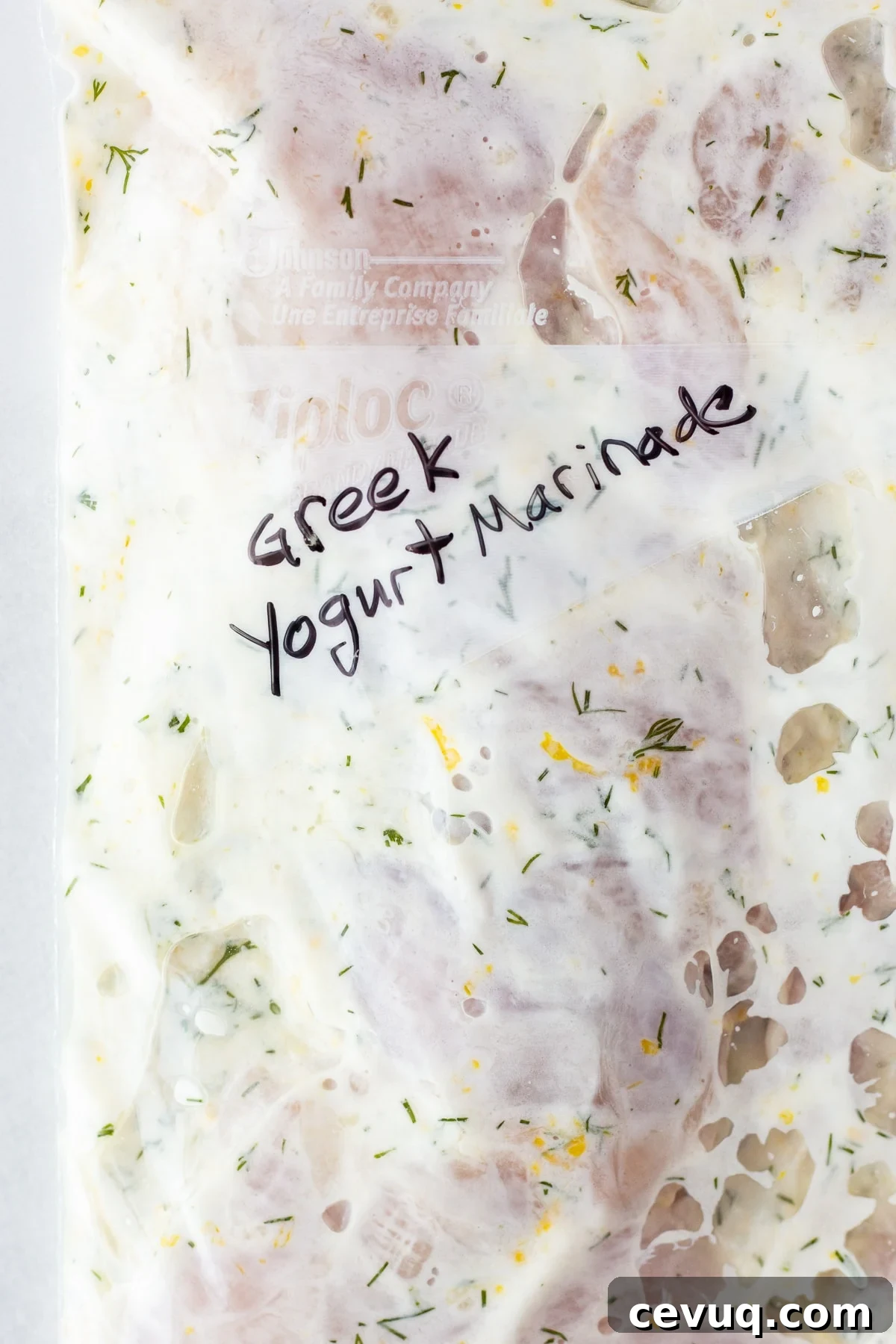
Elevate your chicken, pork, or lamb with this Greek yogurt marinade. A blend of creamy full-fat Greek yogurt, bright lemon zest and juice, minced garlic, fresh dill, oil, and kosher salt infuses meat with vibrant, tangy flavor and tenderizes it gently. This easy marinade requires minimal hands-on time and works beautifully on the grill or in the oven for reliably delicious results.
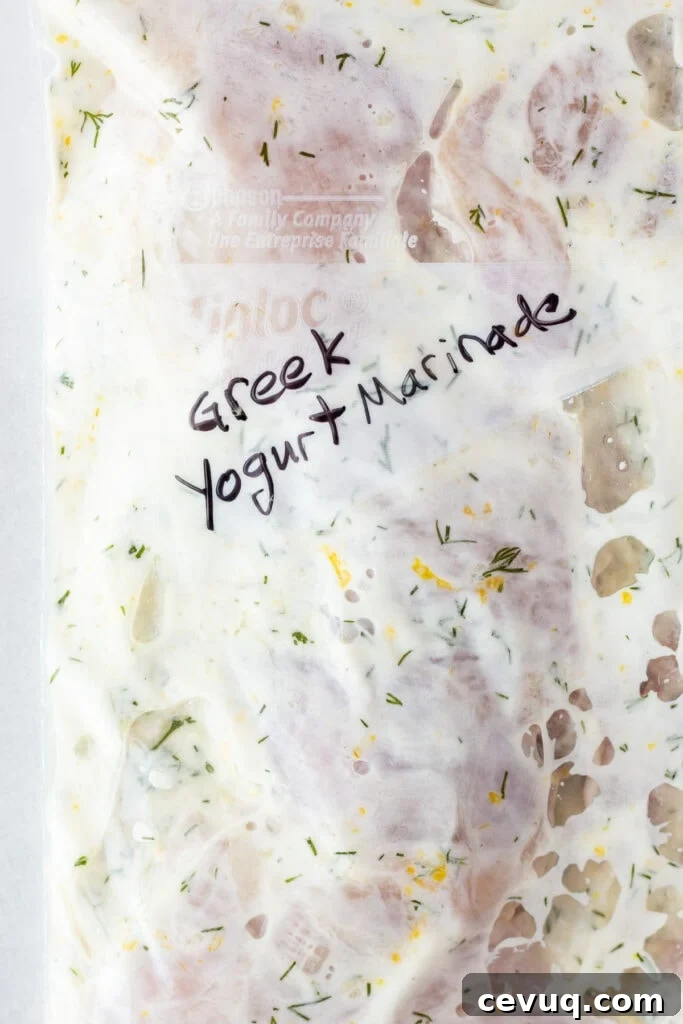
This Greek yogurt marinade delivers tangy, rich, and flavorful meat. The yogurt and lemon provide acidity to tenderize while the oil helps coat and protect the protein during cooking. Garlic and fresh dill add the classic Greek aromatics that pair especially well with chicken, pork, and lamb.
While I use this marinade most often on boneless, skinless chicken thighs, it adapts well to pork chops, pork tenderloin, or lamb cuts. It’s also a great way to prepare protein for a Greek salad or as the base for sandwiches and wraps.
Grab these ingredients
(Full measurements appear in the recipe section below.)
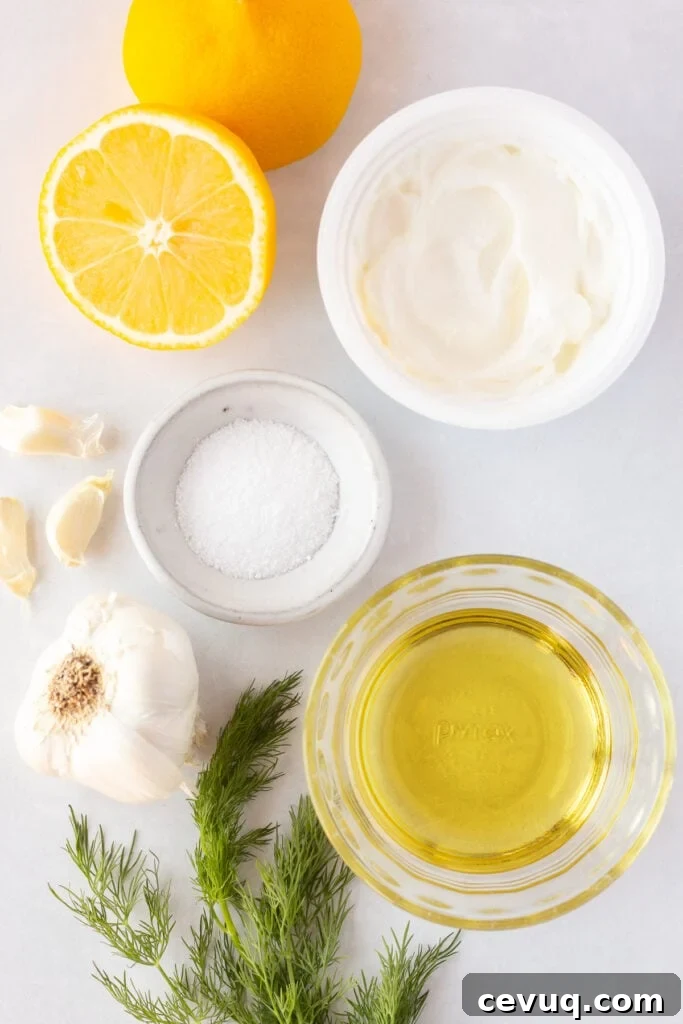
- Full‑fat plain Greek yogurt – use full fat for the best texture and flavor.
- Fresh lemon – you need zest and juice for brightness and acidity.
- Fresh dill – finely chopped; fresh dill gives the distinct herbaceous note.
- Fresh garlic – pressed or finely minced.
- Neutral high‑heat oil – avocado, canola, or light olive oil work well.
- Kosher salt – adjust quantity if using a different salt brand.
Key elements of a marinade
A good marinade balances four elements:
- Acid to tenderize (lemon juice, yogurt)
- Fat to coat and protect the meat (oil, yogurt)
- Salt to season and enhance flavor
- Herbs and aromatics for flavor (dill, garlic, zest)
In this recipe the yogurt serves as both acid and fat, lemon adds extra acid and bright flavor, oil provides richness, and dill and garlic give classic Greek flavor.
How to make the marinade
Only a few simple steps are required. The full, printable recipe is below.

Tips for zesting a lemon
- Do not cut the lemon before zesting; a whole lemon is easier to handle and less likely to squeeze juice while you zest.
- A microplane or the fine side of a box grater gives the best, fine zest. Rest the grater on the rim of a bowl for stability.
- Use short, controlled swipes and apply light pressure so you remove only the colored zest and avoid the bitter white pith.

Recommended marinating time
For chicken, pork, or lamb, marinate in the refrigerator for 1½ to 2 hours. Because lemon and yogurt contain acid, extended marinating times can begin to “cook” or overly soften the meat’s surface, so avoid marinating overnight.
Cooking with this Greek marinade
This marinade is best finished on the grill or in the oven. It’s not ideal for stovetop pan‑searing because the yogurt can brown unevenly on direct heat.
- Grill: Start on high heat to get a good sear (around 500°F), then lower to medium (375–400°F) to finish cooking.
- Oven: Use a rimmed sheet pan lined with foil and a wire rack so air circulates and the bottom of the meat stays crisp rather than soggy.
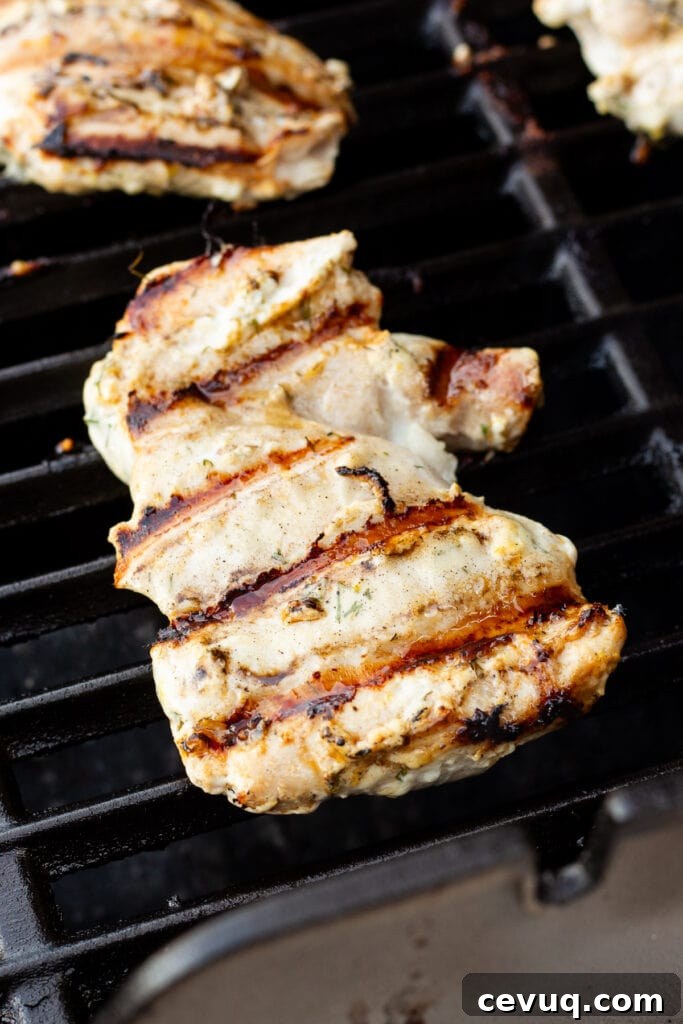
Place the protein in the marinade in a sealed bag or shallow container, refrigerate for the recommended time, then remove 10–15 minutes before cooking to take the chill off. Cook until the internal temperature reaches a safe level for the chosen meat (see recipe notes).
Recipe: Greek Yogurt Marinade for Chicken, Pork, or Lamb
Ingredients
- 5.3 oz full‑fat plain Greek yogurt
- 1.5 tsp kosher salt (adjust if using a different salt)
- 2 oz neutral oil (avocado or light olive oil)
- 2–3 large garlic cloves, pressed or minced
- 1 tbsp chopped fresh dill fronds
- Zest of 1 lemon
- Juice from ½ lemon (about 1.5–2 oz)
Instructions
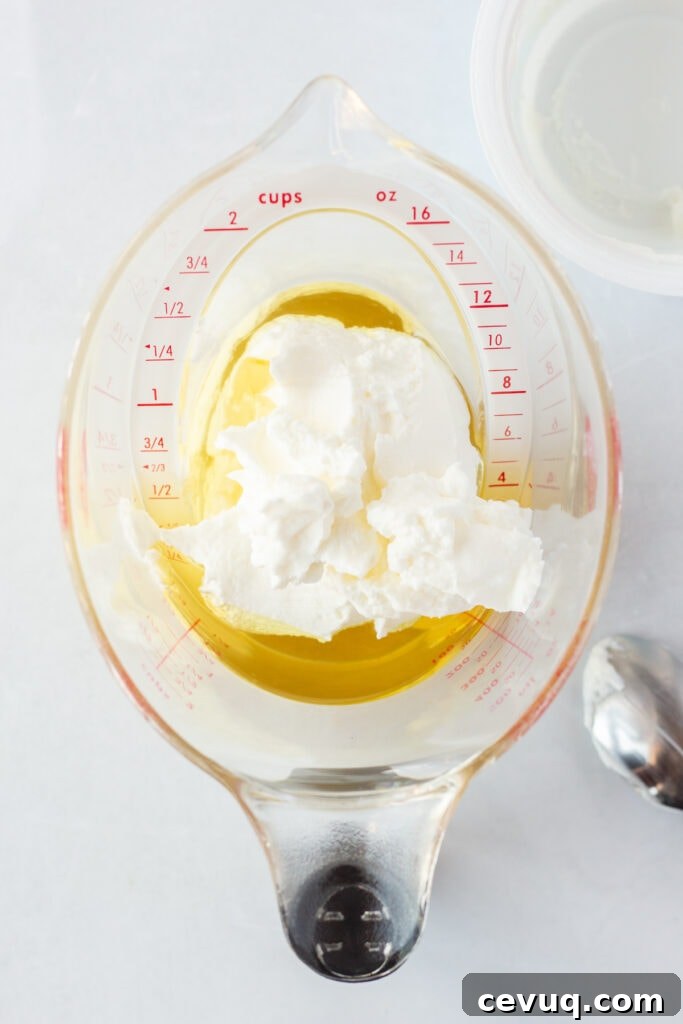
- Pour oil into a large liquid measuring cup, then scoop in the Greek yogurt.
- Zest the lemon directly over the cup so the zest falls in. Use short swipes to remove only the yellow skin, not the bitter white pith.
- Cut the lemon in half and juice half into the cup. Reserve the other half for another use.
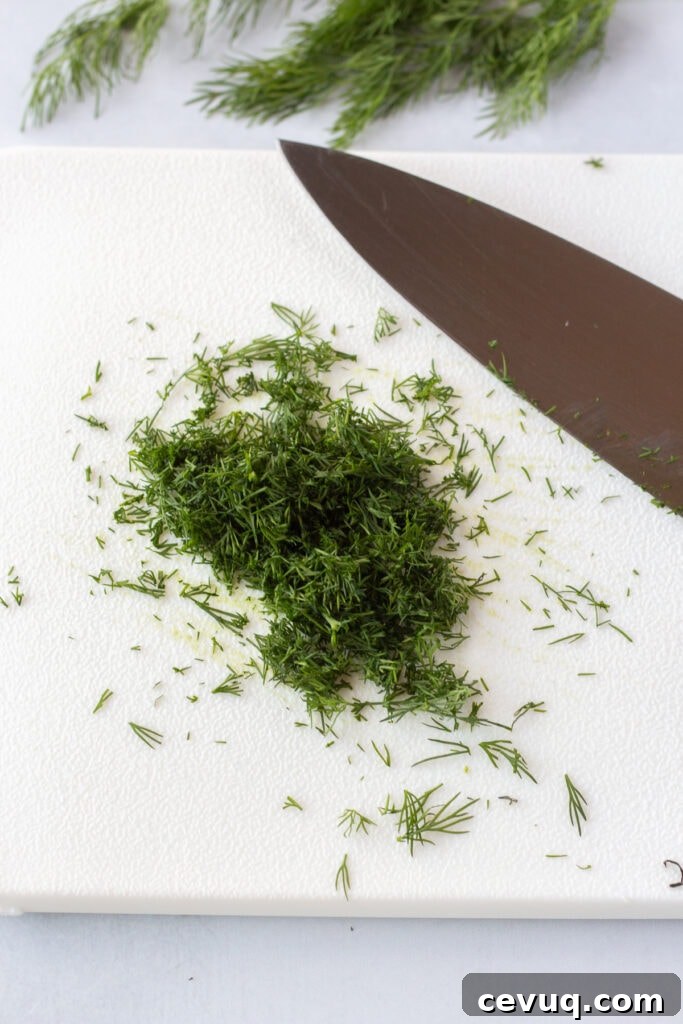
- Chop the dill finely and add it to the cup. Press or mince the garlic and add it along with the kosher salt.
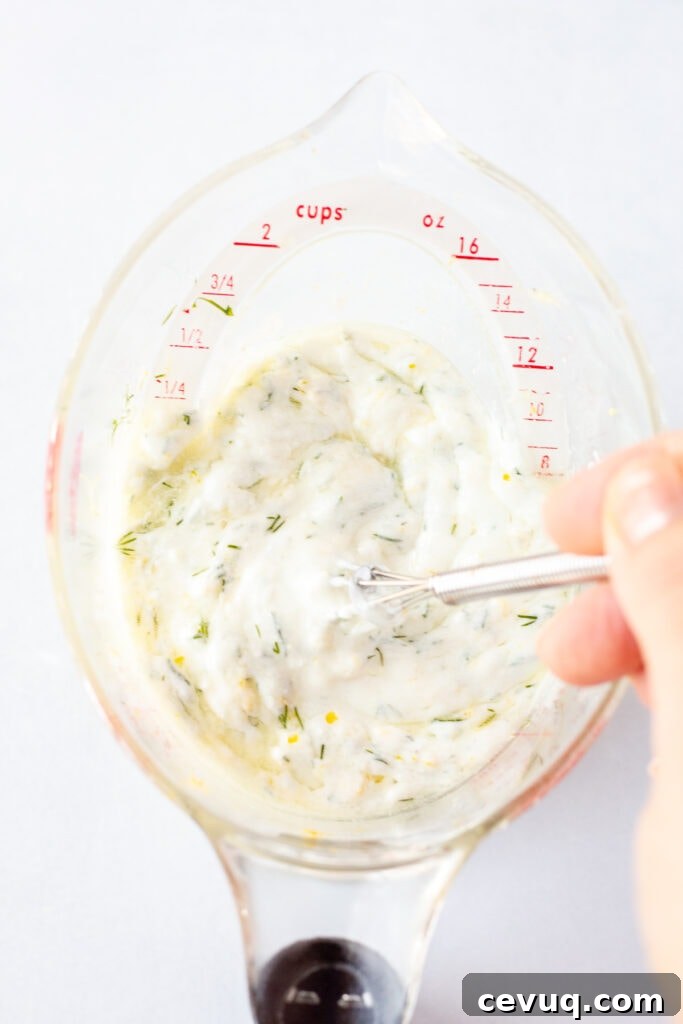
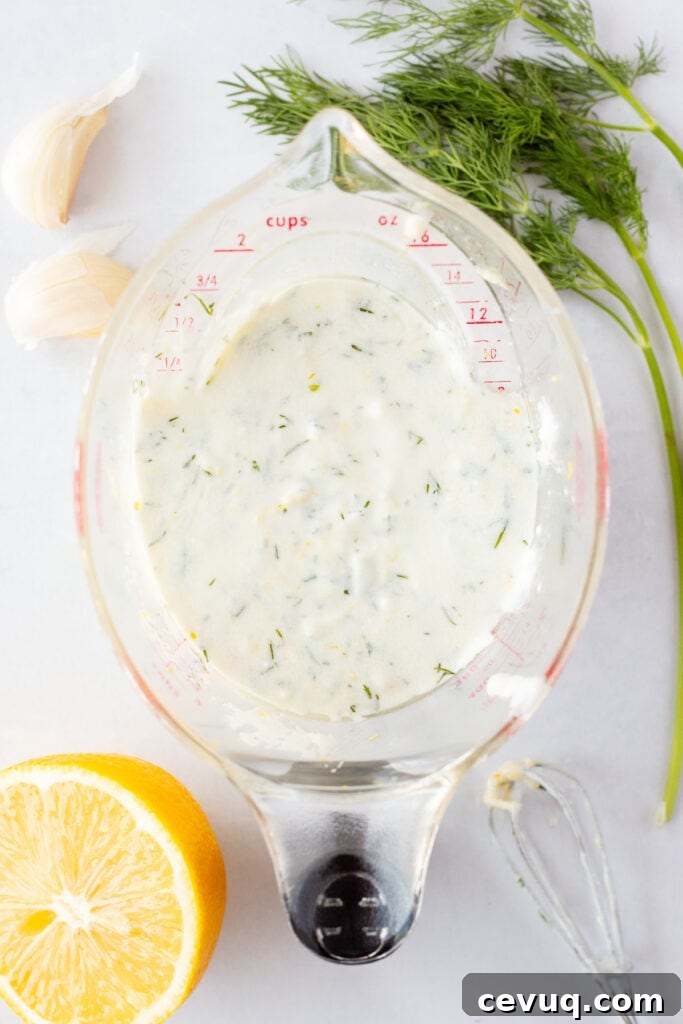
- Whisk everything together until smooth. Use immediately to marinade 1.75–2 lb of chicken, pork, or lamb.
- Place protein and marinade in a sealed bag or shallow container and refrigerate 1½–2 hours. Remove meat from the fridge 10–15 minutes before cooking to take the chill off.
Notes
- Recipe yields enough marinade for about 1.75–2 pounds of meat.
- Marinate chicken, pork, or lamb for 1½–2 hours in the refrigerator; do not exceed this time to avoid over‑tenderizing.
- Bring the meat out of the fridge for 10–15 minutes before cooking so it warms slightly and cooks more evenly.
- Cook to the recommended internal temperatures: chicken to 165°F; pork to 145–160°F depending on cut and preference; lamb to 145°F.
If you try this marinade, leave a comment to share how it turned out and any tweaks you made. It’s a straightforward, flexible recipe that adapts well to different cuts and cooking methods.