
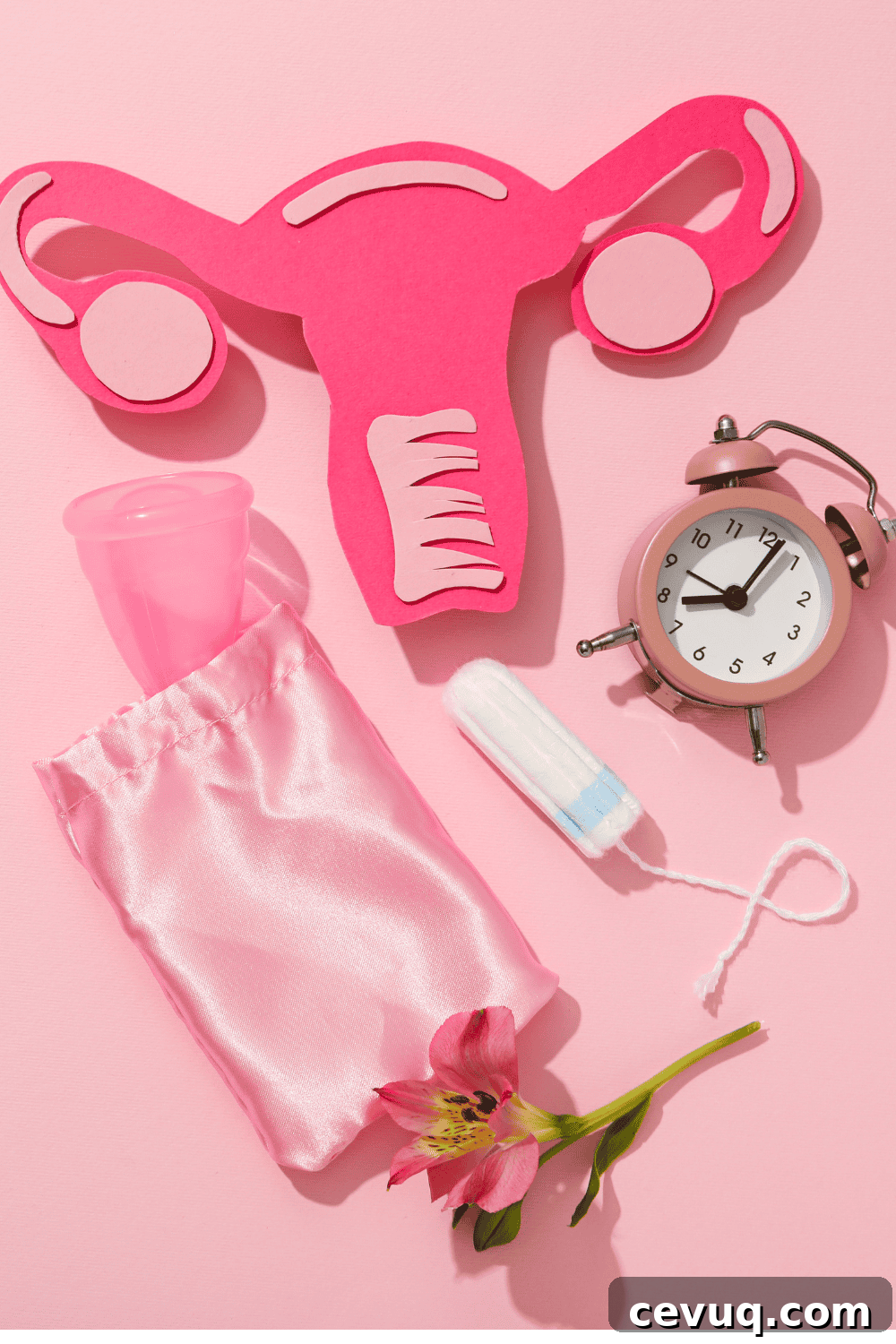
California has passed a law banning the sale of tampons, pads, and other menstrual products that contain intentionally added perfluoroalkyl and polyfluoroalkyl substances (PFAS) by 2025.
Governor Gavin Newsom signed Assembly Bill 2515 into law on September 30, 2024. California becomes the second state to enact this restriction, following Vermont earlier in the year.
What the Law Covers
The law prohibits manufacturers and retailers from selling menstrual products with intentionally added PFAS. Covered products include:
- Tampons
- Pads
- Menstrual cups
- Discs
- Period underwear
- Sponges
If PFAS appear unintentionally during production, manufacturers must ensure those levels stay below a threshold set by the California Department of Toxic Substances Control (DTSC) by 2027. Unintentional contamination can occur through manufacturing equipment, plastic components, or environmental sources such as water and soil.
The law also establishes penalties and fines for companies that fail to comply.
Why Focus on Menstrual Products?
States have already restricted PFAS in other consumer goods like cookware and clothing. Menstrual products warrant attention because independent tests have detected PFAS in a range of these items, and the products are used in intimate, highly absorbent areas of the body. That combination increases concern about chemical uptake and long-term exposure.
Assemblymember Diane Papan (D-San Mateo), the bill’s author, emphasized the urgency of protecting people who use these products. She highlighted that menstrual items affect roughly half the population for many years of their lives and described PFAS as hazardous substances that should not be present in these products.
Menstrual products are used repeatedly over decades; studies and consumer estimates suggest the average person may use thousands of tampons in a lifetime. Frequent, long-term exposure in sensitive areas raises the potential health risks if toxic chemicals are present.
Roll-Out Timeline
The bill was first introduced in 2023 but was vetoed that year amid concerns about implementation. This updated version addressed those issues and gained bipartisan support with a staggered compliance schedule.
The law takes full effect for intentionally added PFAS in 2025 and for unintentionally added PFAS in 2027, giving manufacturers time to adjust. The DTSC will set allowable thresholds for unintentional PFAS and establish testing methods. By 2029, manufacturers must register relevant products with the DTSC and submit test results demonstrating compliance.
How to Reduce Your PFAS Exposure
Even with new laws, PFAS remain present in some everyday items. Practical steps to reduce exposure include:
- Look for PFAS-free labeling on menstrual products. Some brands test their products and explicitly label them PFAS-free—check product descriptions or packaging for clear statements.
- Choose natural or organic options. Tampons, pads, and period underwear made from organic cotton generally contain fewer synthetic chemicals and may reduce overall exposure, though no product category is guaranteed free of contaminants.
- Rotate product types. Using a variety of tampons, pads, cups, and period underwear can limit repeated exposure to any single product source.
- Address other PFAS sources. Reducing PFAS exposure in daily life also includes using water filters certified to reduce PFAS where possible, choosing non-toxic cookware, and limiting fast food or highly packaged takeout.

Awareness and small changes can substantially reduce PFAS exposure over time. Staying informed, reading labels, and choosing products carefully are effective steps people can take now.
If you want to stay updated on PFAS-related news, consider subscribing to reputable newsletters or resources that focus on chemical safety and consumer health.