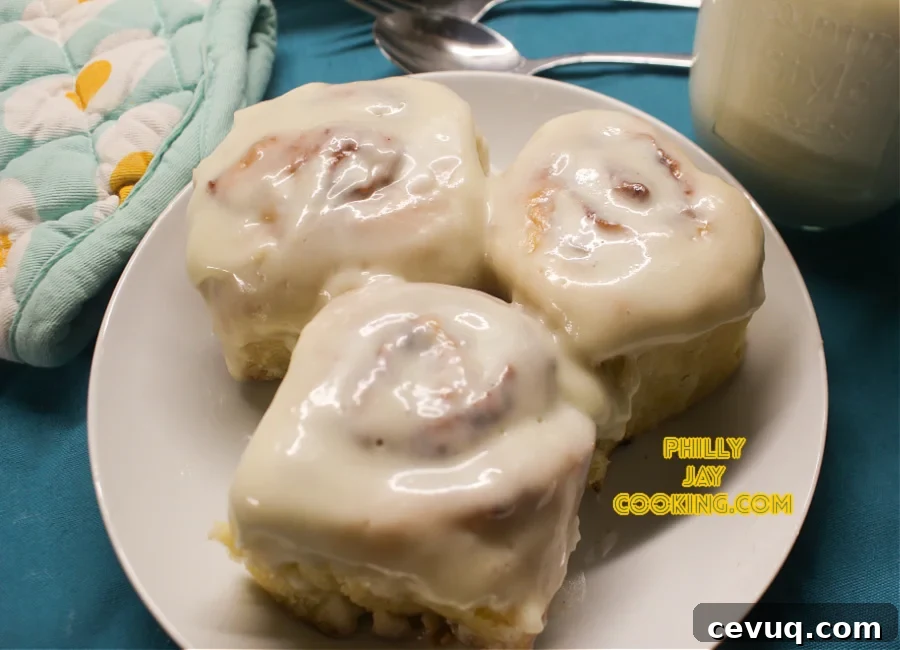
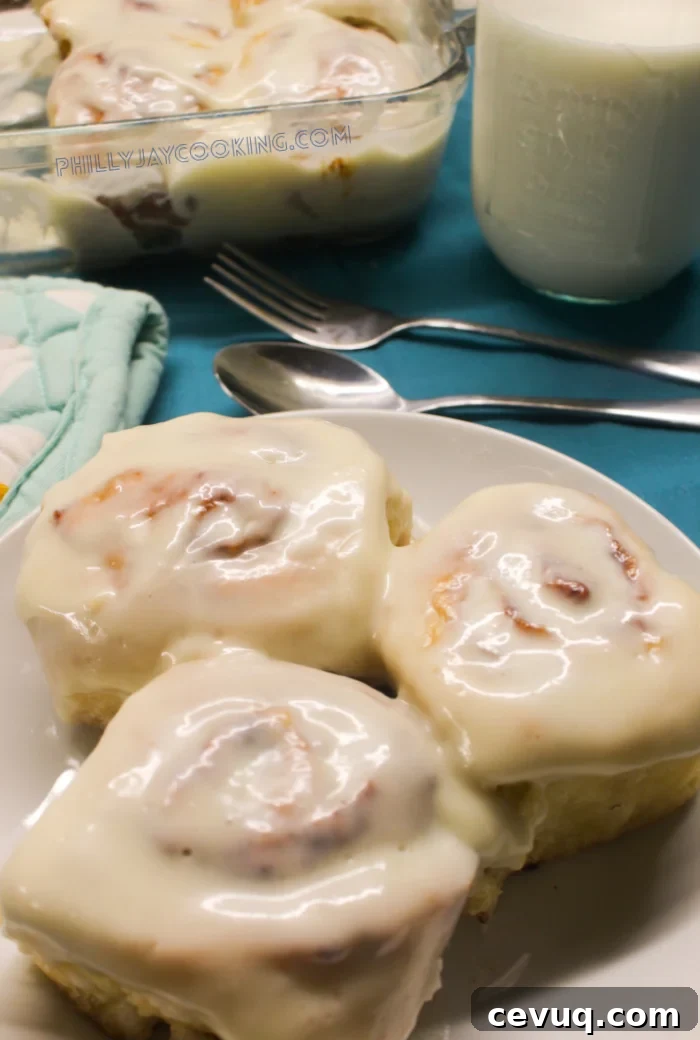
Moist, soft, and fluffy cinnamon rolls topped with a rich cream cheese frosting. This classic cinnamon roll recipe uses simple ingredients and traditional methods to deliver tender, melt-in-your-mouth rolls that are perfect for breakfast, a snack, or dessert.
These cinnamon rolls are wonderful warm from the oven or at room temperature. Kids love them with a cold glass of milk, while adults might prefer them alongside hot tea or coffee. The recipe is straightforward and forgiving—great for bakers of all levels.
I shared these with my neighbor, a lifelong baker from Reading, PA, and her enthusiastic reaction confirmed what I already knew: this recipe works. Her family baked professionally for years, so praise from her means a lot.
Below you’ll find the ingredients, essential equipment, tips on working with yeast, proofing guidance, filling and frosting options, step-by-step instructions, and storage advice.
Key Ingredients For Dough:
The dough is the foundation of great cinnamon rolls. Use quality ingredients and measure carefully.
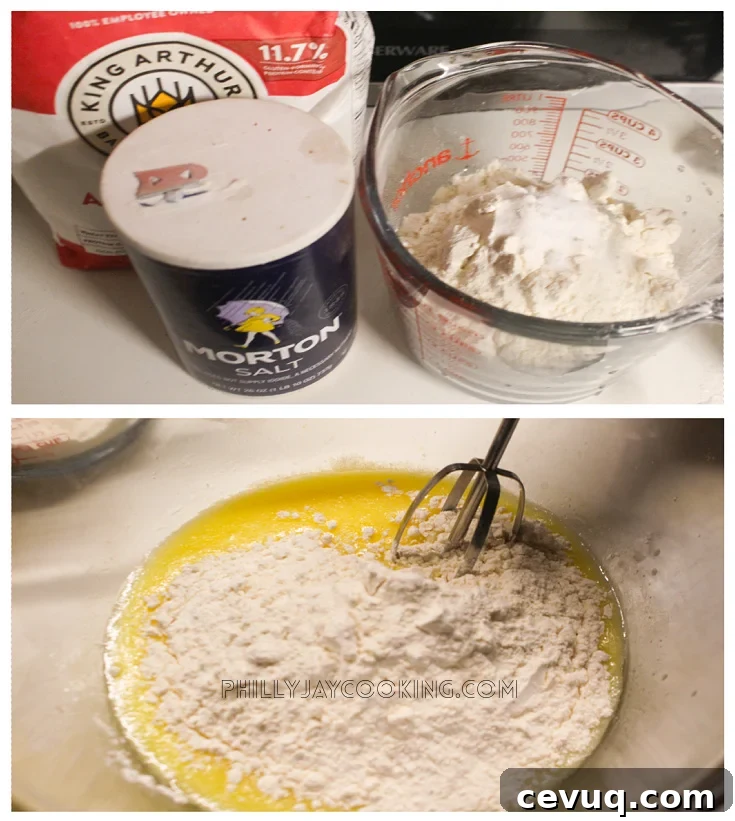
- All-purpose flour: The main structure for the dough.
- Salt: Enhances and balances the sweetness.
- Unsalted butter: Adds flavor and helps the rolls brown.
- Vegetable oil: Used to coat the bowl for rising to prevent sticking.
- Whole milk: Provides moisture, richness, and helps hydrate the flour.
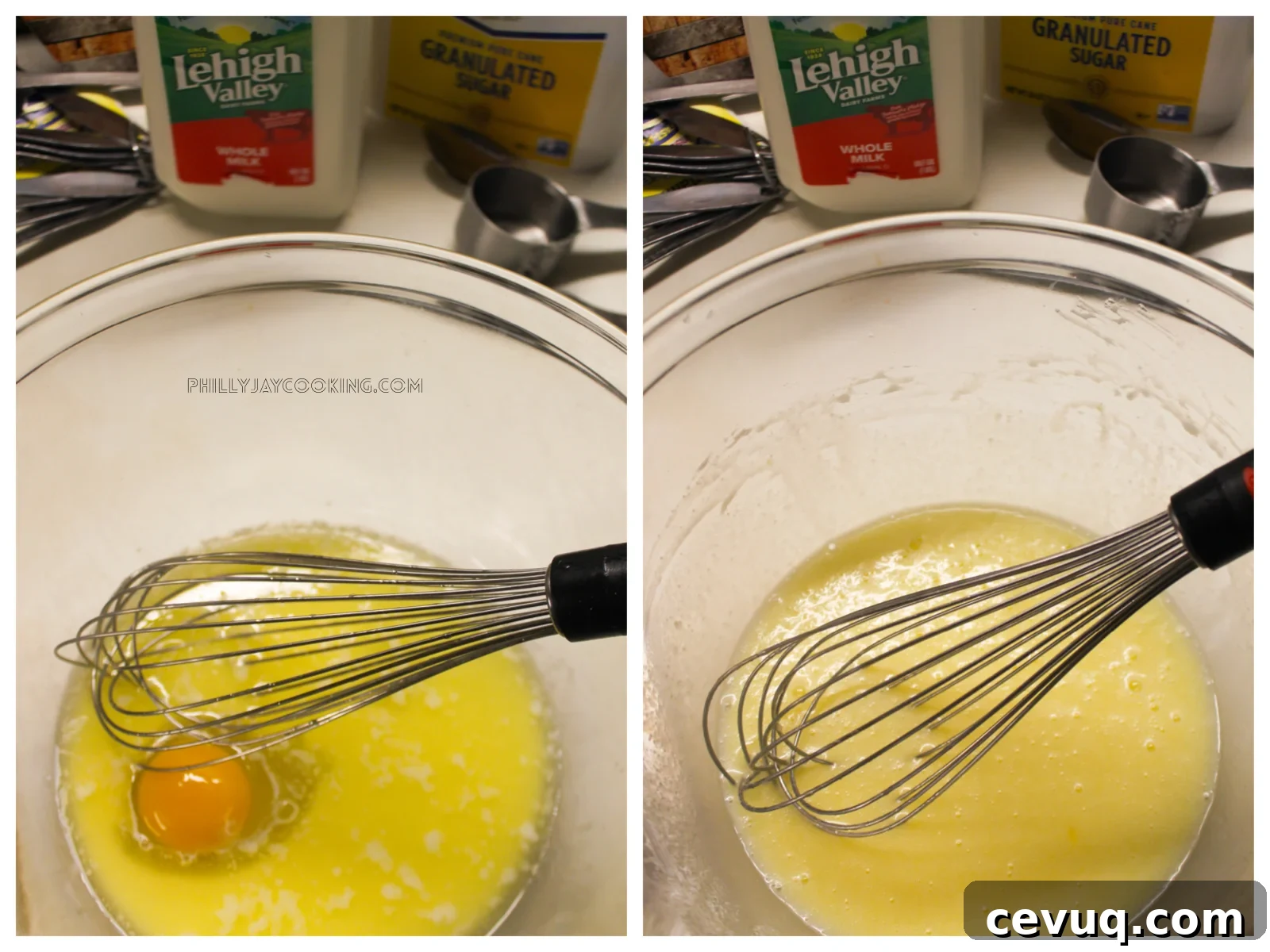
- Egg: Adds richness, color, and helps with structure and rise.
- White sugar: Sweetens the dough and feeds the yeast.
- Yeast: The leavening agent that makes the dough rise.
Equipment You’ll Need For Cinnamon Rolls:
- Large mixing bowls: For combining dough and preparing frosting.
- Hand mixer (optional): Makes mixing faster but you can mix by hand.
- Spatula: Helpful for scraping the bowl.
- Whisk: For beating wet ingredients.
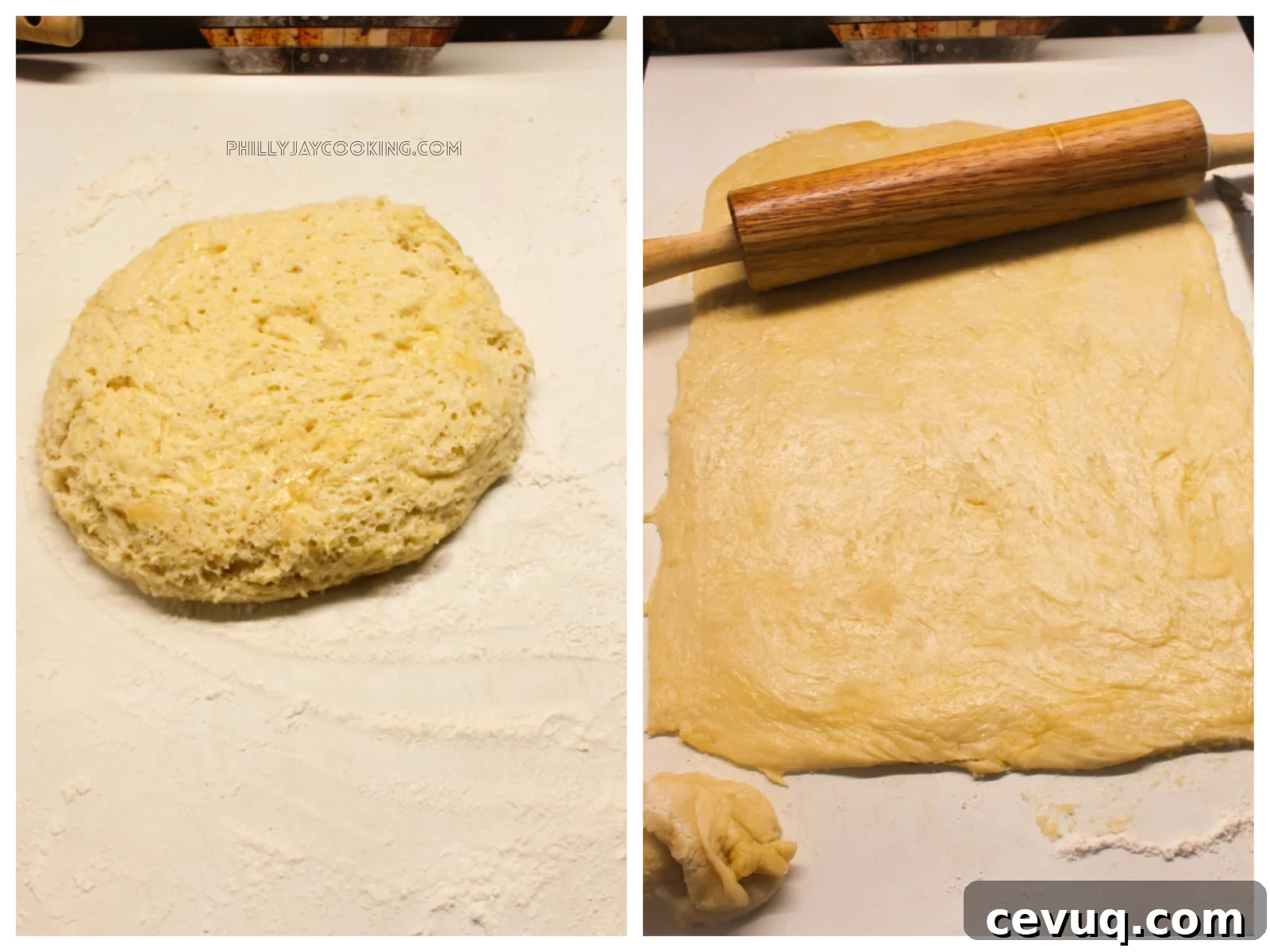
- Rolling pin: To roll the dough into a rectangle.
- Sharp knife or bench scraper: For slicing the rolled log into individual rolls.
- Baking dish: A buttered pan to bake the rolls.
- Measuring cups and spoons: For accurate measurements.
- Basting brush: Useful to remove excess flour or brush melted butter.
Everything you need to know about the Yeast
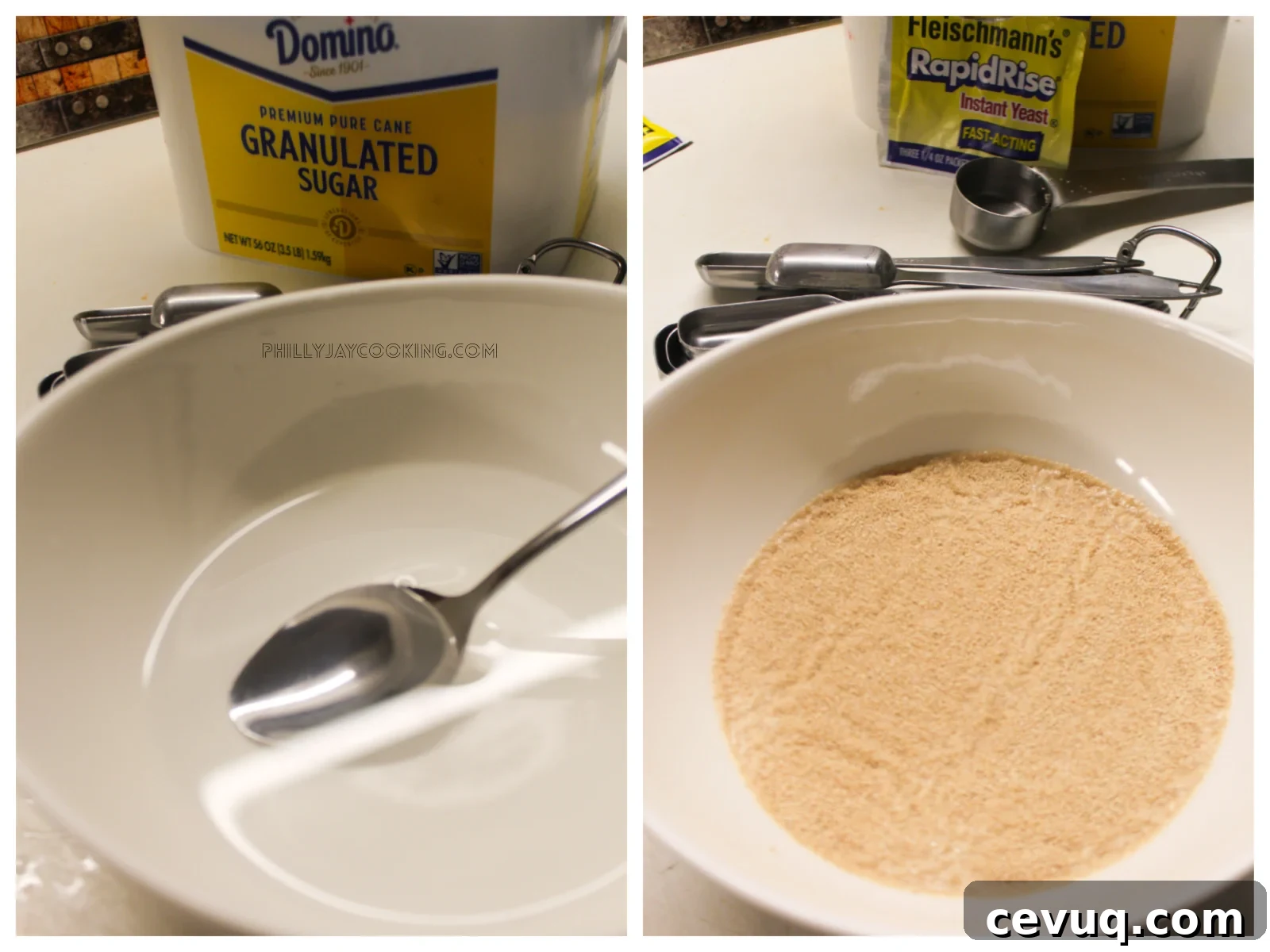
Yeast is the traditional leavening agent for cinnamon rolls. Understanding the types and how to activate them will improve your results.
Yeast is a living microorganism that, when combined with warmth and sugar, produces carbon dioxide and alcohol. The gas is what causes dough to rise.
- Active dry yeast: Needs to be dissolved and activated in warm water or milk (105–115°F).
- Instant (rapid rise) yeast: Can be added directly to the dry ingredients without pre-activation.
- Liquid temperature: Use warm, not hot liquid—over 130°F can kill the yeast and stop rising.
- Sugar: Feeds the yeast and speeds fermentation.
- Warm environment: Let the dough rise in a warm spot to encourage consistent proofing.
Key things about proofing:
Proofing shows whether the yeast is active and the dough is developing properly. There are three useful checks:
- Yeast viability: Yeast activated in warm liquid with sugar should become foamy within 15–20 minutes.
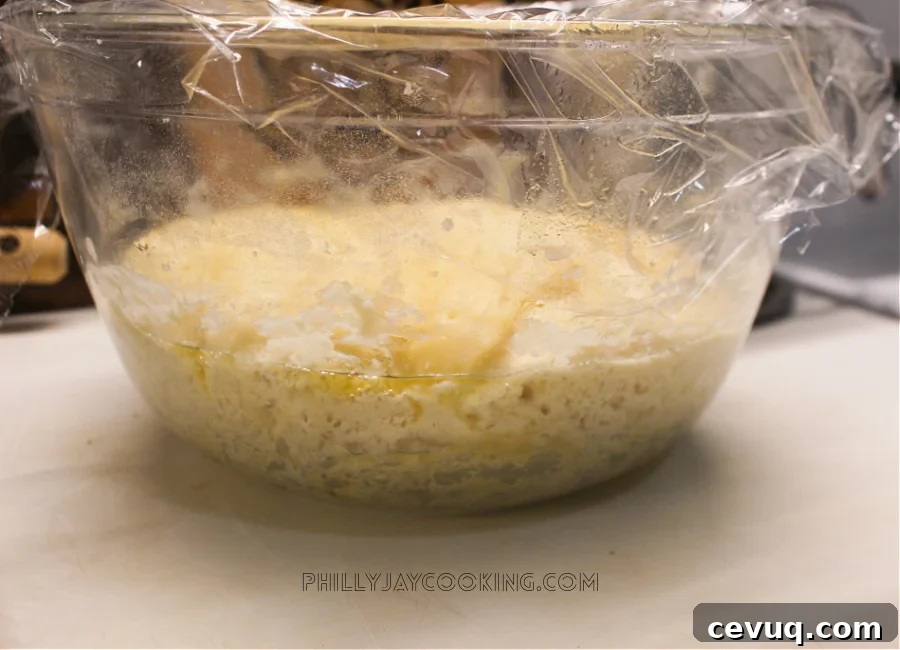
- Bulk proof: After mixing, the dough should rise in a covered, warm bowl—usually 1–3 hours depending on temperature.
- Final proof: After shaping, allow a second rise so the rolls expand before baking.
The filling:
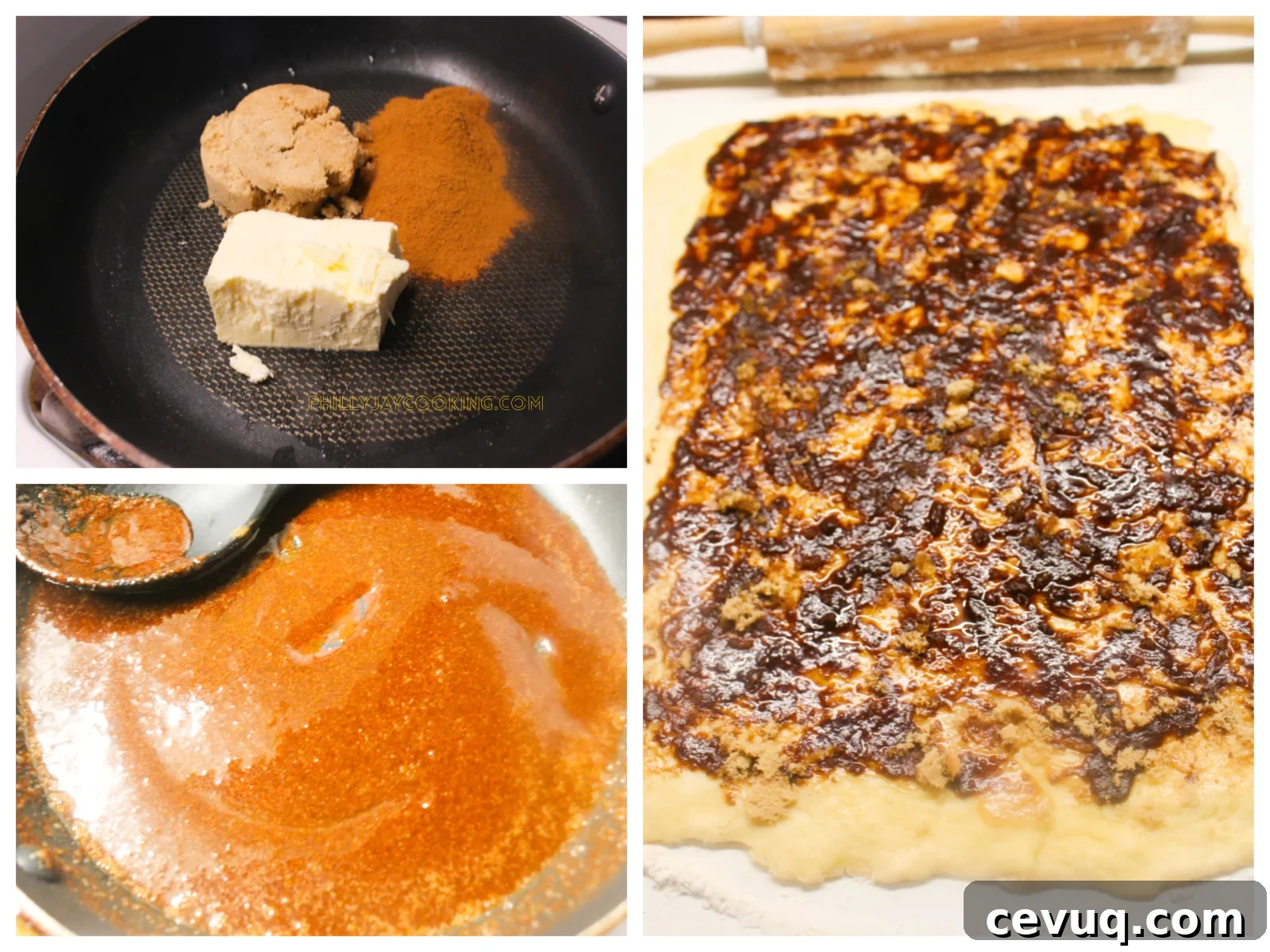
- Butter: Provides flavor and helps the sugar-cinnamon mixture adhere to the dough.
- Brown sugar: Adds sweetness and depth thanks to molasses.
- Cinnamon: Ground cinnamon is essential—use a good-quality spice for the best flavor.
Large cinnamon rolls vs small cinnamon rolls
How you roll the dough determines the size and thickness of the slices. Rolling top to bottom (long way) produces thicker, taller rolls. Rolling left to right (short way) yields smaller, more numerous rolls. Choose the direction based on the size you prefer.
Frosting Options for Cinnamon Rolls:
Customize the frosting to your taste—thick, creamy, or thin and drippy as a glaze.
- Thick frosting or thin glaze: Add milk a teaspoon at a time to thin icing for a glaze. Use less milk for a thicker frosting.
- Extra mix-ins: Stir in caramel, chopped pecans, or walnuts for texture and flavor.
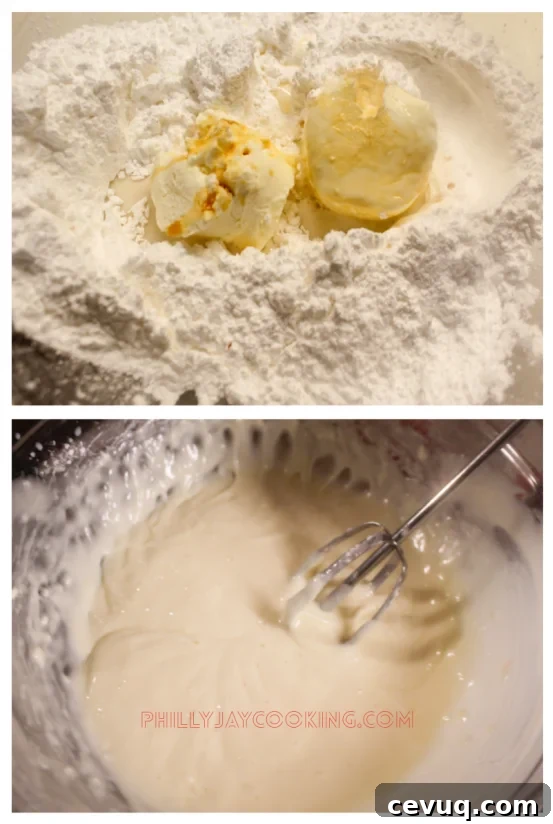
- Cream cheese frosting: Combine cream cheese, confectioners’ sugar, a splash of milk, and vanilla for a classic topping.
- Basic buttercream: If you prefer no cream cheese, mix powdered sugar with butter and milk to taste.
How To Make Cinnamon Rolls From Scratch
- Prepare the yeast by combining warm water with sugar and yeast, then set aside until foamy.

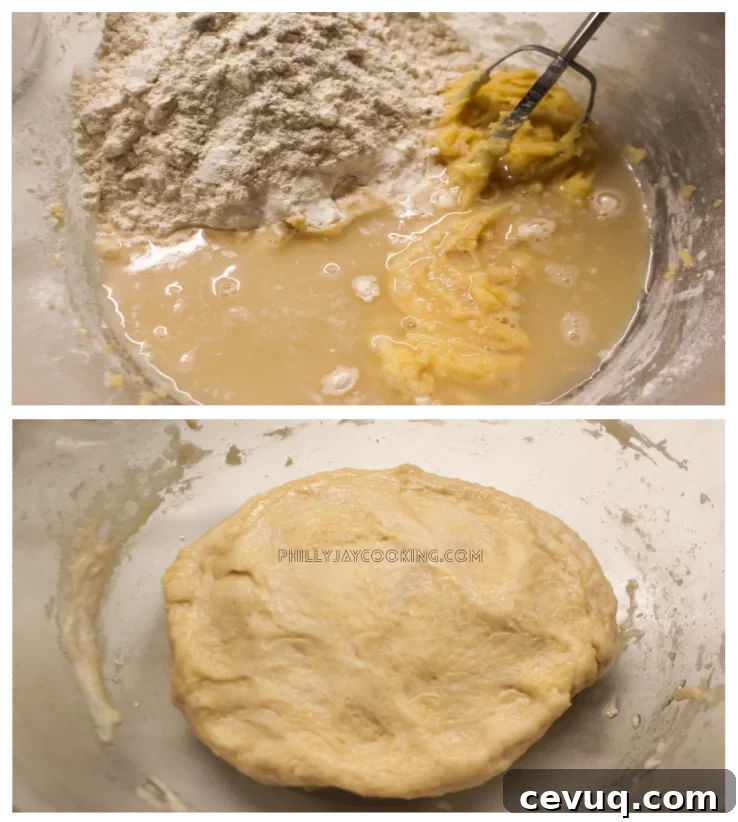
- Combine wet and dry ingredients, then fold in the activated yeast.
- Let the dough rise in an oiled bowl until doubled.
- Roll the risen dough into a rectangle on a floured surface.
- Prepare the filling and spread it evenly over the dough.
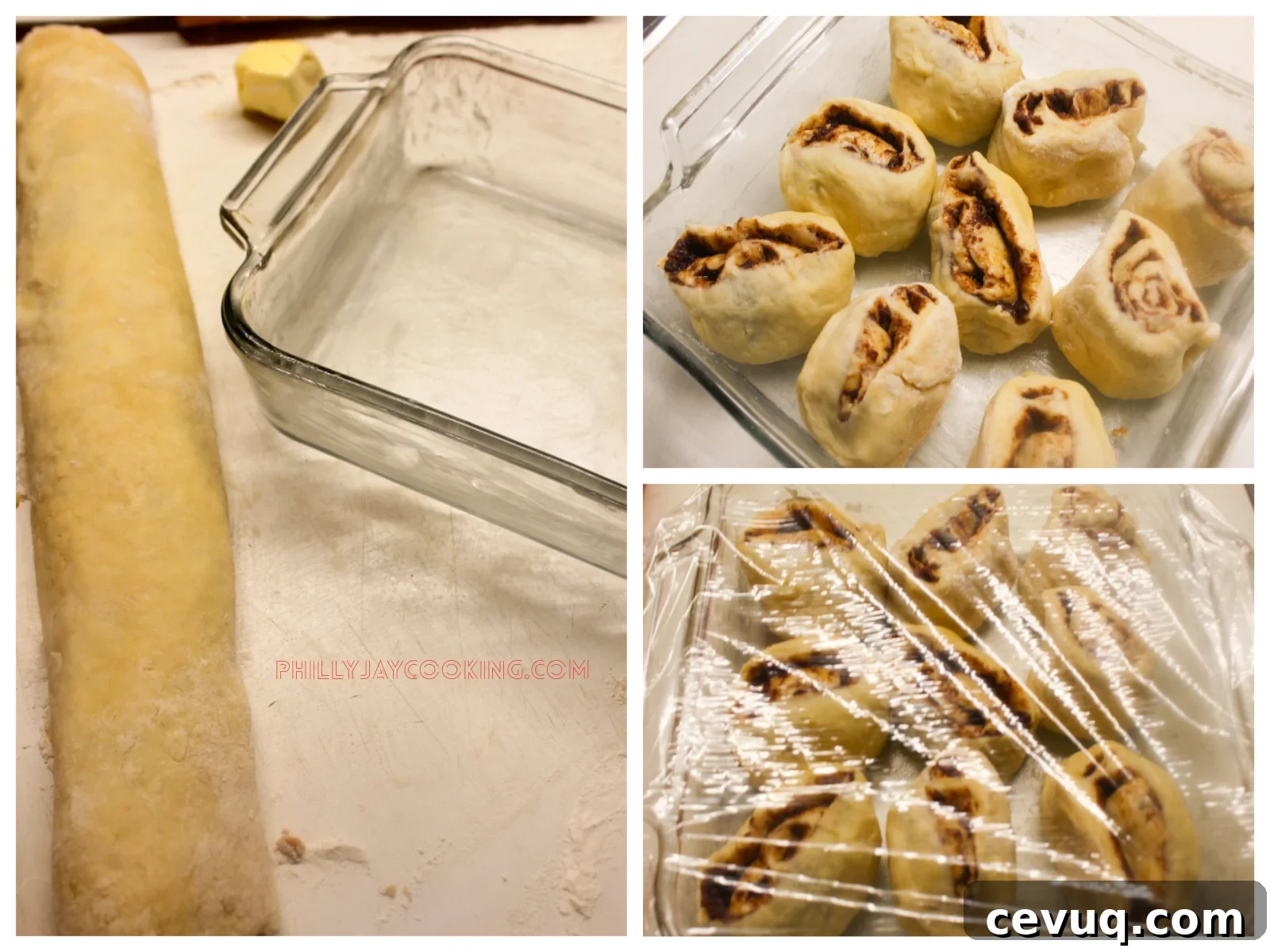
- Roll tightly, slice into rolls, and arrange them in a buttered baking dish.
- Cover and allow a second rise until the rolls are puffy.
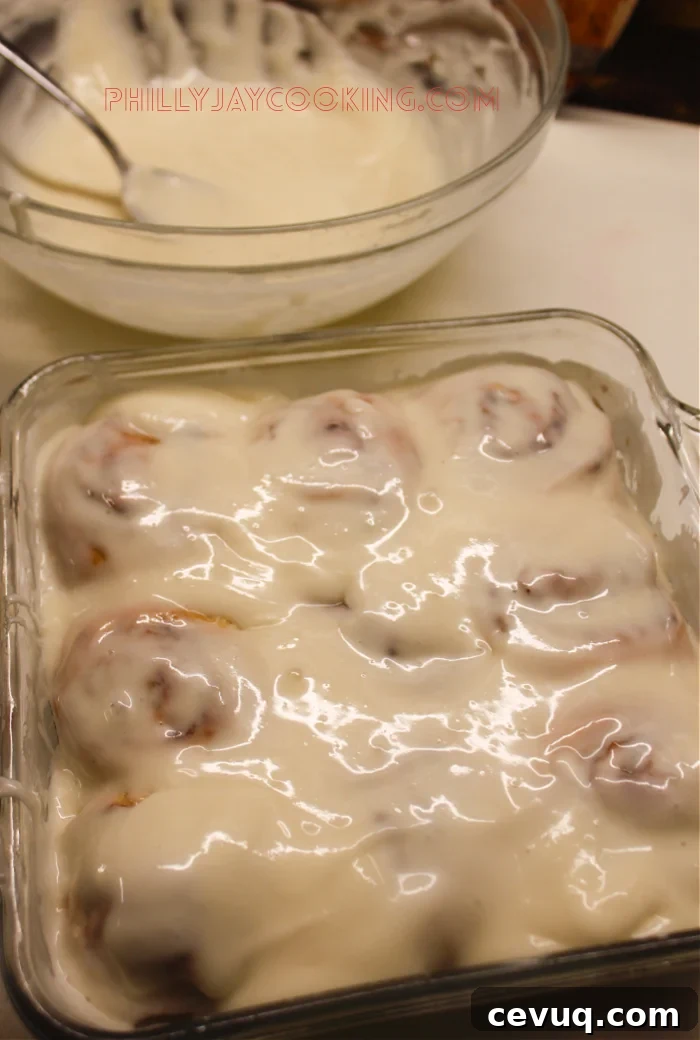
- Whip up the frosting and chill until ready to use.
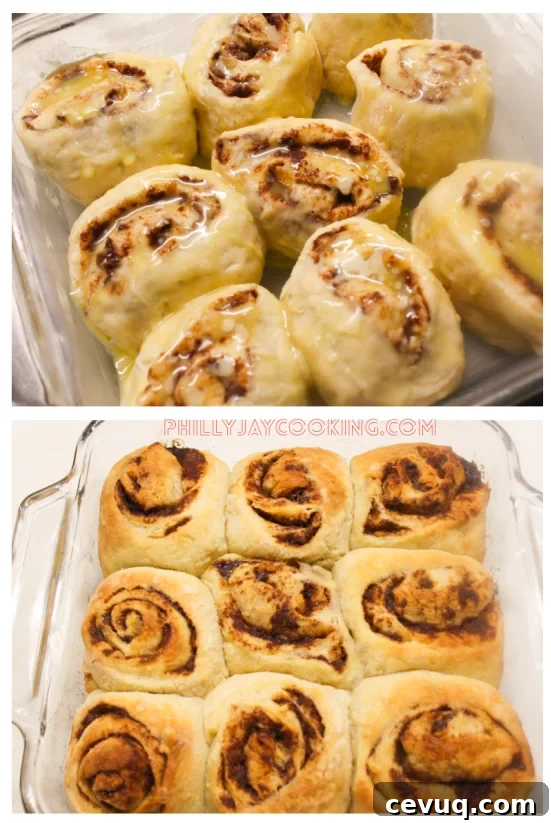
- Brush the tops with melted butter and bake until golden and cooked through.
- Pour frosting over hot rolls so it melts into the spirals and serves sticky and delicious.
Pro Tips:
- Sharp knife or bench scraper: A clean cut produces neat rolls.
- Warm rise: Let the dough rise at room temperature for a faster, more consistent proof.
- Well-floured surface: Dust the work surface and rolling pin to prevent sticking.
- Remove excess flour: Brush off extra flour from the dough before filling and rolling.
- Don’t over-butter the tops: Too much butter can cause overly dark edges—use just enough for flavor and browning.
Serving Suggestions:
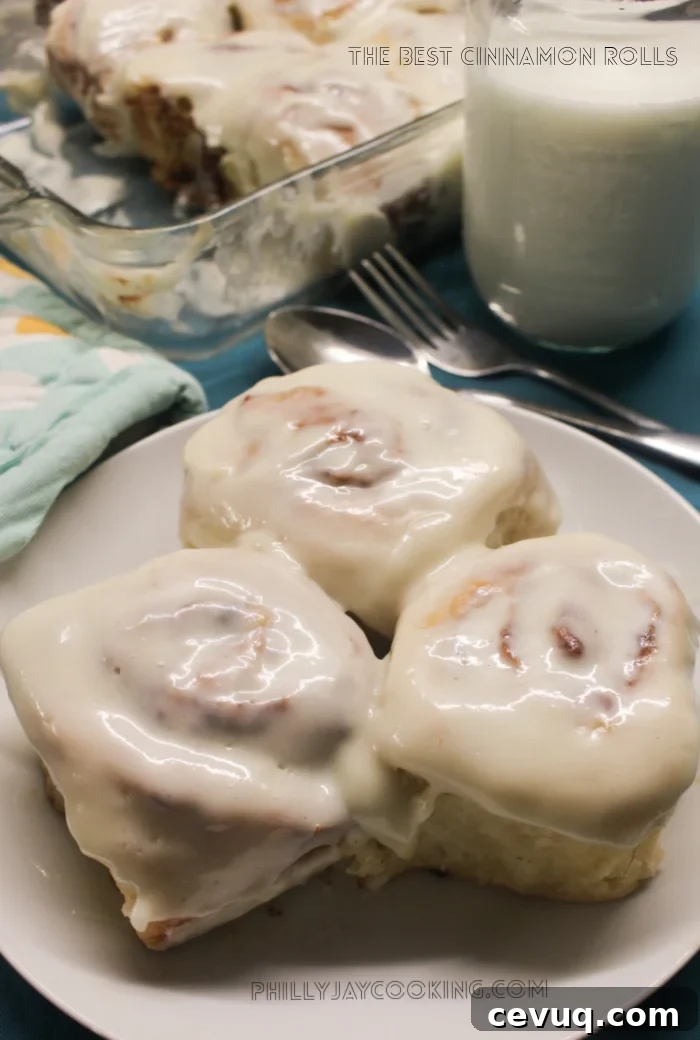
- Cold milk: A classic pairing—creamy and refreshing with warm rolls.
- Hot tea: Comforting and simple; a good choice for an afternoon treat.
- Coffee: Ideal for a cozy breakfast or brunch.
- Vanilla ice cream: Serve a warm roll with a scoop of ice cream for a decadent dessert.
How to Store Cinnamon Rolls
- Room temperature storage: Store wrapped in foil or in a sealed container at room temperature to keep rolls moist. Refrigeration can dry them out.
- Freeze before baking: Place unbaked, shaped rolls in a sealed freezer bag for long-term storage; bake from frozen or thaw before baking.
- Freeze after baking: Cool completely, then seal in freezer bags to preserve for weeks. Reheat gently before serving.
Cinnamon Roll FAQ’s
Why isn’t my dough rising?
Common causes are inactive yeast (old or overheated), cold environment, or too much flour. Verify your yeast foams in warm liquid before mixing and proof the dough in a warm spot.
How to know it’s done rising?
The dough should look puffy and may be doubled in size. You’ll see air bubbles and the texture will feel lighter.
Why did my cinnamon rolls come out hard?
Overworking the dough, too much flour, insufficient fat or liquid, or overbaking can all cause toughness. Follow measurements and avoid over-kneading.
What should I do if the sides of my cinnamon rolls are crunchy and hard?
Separate the rolls slightly from the pan and pour a little frosting or warm butter on the sides to soften them. Adjust future baking times and butter amount to prevent over-browning.
If you enjoyed this recipe, please consider rating it. Subscribe to receive updates when new recipes are posted, and share your results on social media with my handle shown below.
Enjoy!
Pbj~