Have you ever heard of a “cutting garden”? I hadn’t until recently. As someone who loves gardens and country-style flowers, I quickly fell in love with the idea and thought you might enjoy learning about it too.
I’m fairly new to cutting gardens myself, but below I’ll introduce the concept and share 10 cut flowers you can easily start from seed.
What Is a Cutting Garden?
At first the term “cutting garden” sounded odd to me. Once I learned the meaning, though, I was delighted. A cutting garden is simply a plot dedicated to flowers that keep well after being cut for bouquets.
If you enjoy arranging flowers at home but find they fade quickly, a cutting garden is the solution. Choosing varieties bred or selected for longevity gives you long-lasting bouquets straight from your yard.
What Are Cut Flowers?
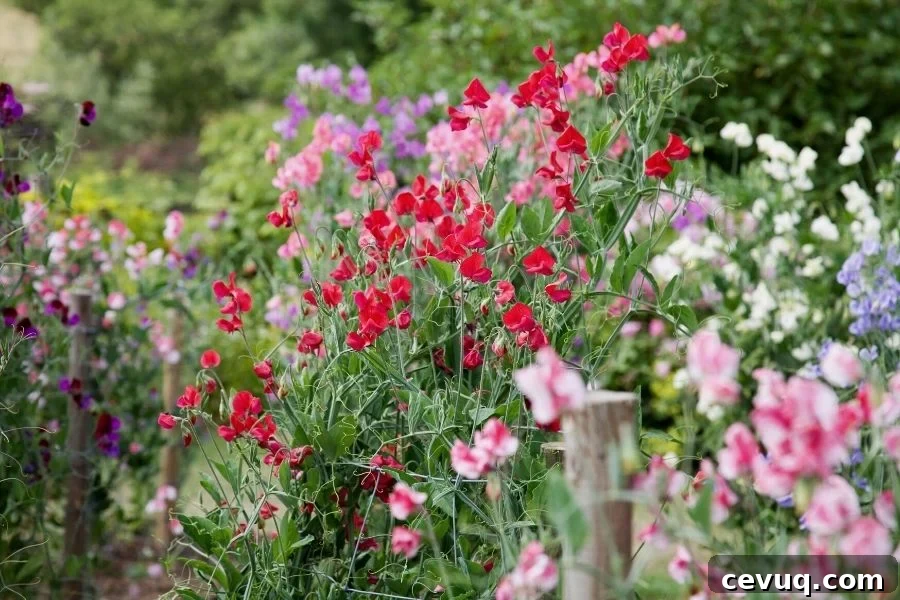
Cut flowers include many plant types: annuals that are replanted each year, self-seeding varieties that return on their own, and perennials that grow from bulbs, corms, or tubers. Each has a place in a cutting garden depending on the season and the look you want.
Below you’ll find a list of old-fashioned cut flowers you can start from seed this spring and summer. If you’re interested in bulb-grown perennials, consider adding bulbs, corms, and tubers to extend your cutting season.
6 Benefits of Having a Cutting Garden
Growing your own cut flowers offers many perks. Here are several reasons to consider a cutting garden:
- It gets you outside and connected with nature.
- Gardening reduces stress and supports mental well-being.
- You avoid the dyes and chemical sprays often used in commercial bouquets.
- Growing flowers saves money over buying store-bought bouquets.
- Fresh-cut blooms bring charm and a country feel to your home.
- Homegrown flowers make thoughtful, personal gifts for visitors and friends.
Where to Grow Cut Flowers
A cutting garden can fit nearly anywhere. You can create one in large pots or planters, along a sunny wall, beside a driveway, or by a fence line. Even small spaces can accommodate a few flower beds or containers.
Most cut-flower varieties prefer warmth and sun, so placing containers or beds near a house or garage wall helps them thrive. With a little creativity, you can find space to grow flowers whether you live in town or country.
5 Tips for Creating a Cutting Garden
Here are helpful tips for establishing a simple, productive cutting garden:
- Choose a site with full sun; most cut flowers need at least six hours of sunlight daily.
- Place the garden within reach of a hose so watering is convenient.
- Some flowers tolerate poor soil, but many benefit from organic amendments such as well-composted manure or worm castings.
- To amend soil, spread 2–3 inches of composted material and work it into the top 4–5 inches of soil.
- If deer or rabbits are a problem, add a small fence or barrier to protect blossoms.
Cut Flowers You Can Start from Seed
Below are 10 cottage-style cut flowers that are easy to start from seed. I’ve included typical USDA hardiness zones, preferred growing conditions, color options, and whether they self-sow.
Asters
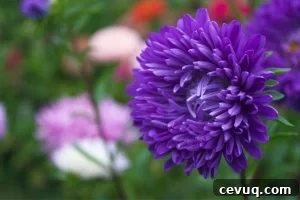
- USDA Hardiness Zone: 3–8
- Growing Climate: full sun to partial shade
- Color Scheme: commonly purple, also white, pink, blue, red
- Self Sowing: yes
Black-Eyed Susan
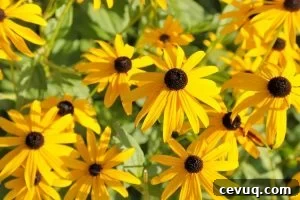
- USDA Hardiness Zone: 3–9
- Growing Climate: full sun (6+ hours)
- Color Scheme: yellow petals with dark centers
- Self Sowing: generally no; persists by root system
- Note: some varieties are perennial, others biennial
Calendula
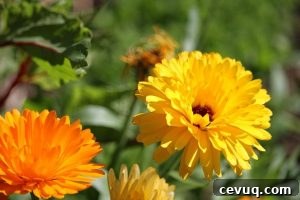
- USDA Hardiness Zone: 2–11
- Growing Climate: full sun (6+ hours)
- Color Scheme: cream, yellow, peach, apricot
- Self Sowing: yes
Cosmos
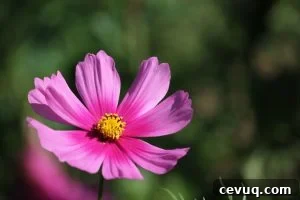
- USDA Hardiness Zone: 2–11
- Growing Climate: full sun (6+ hours)
- Color Scheme: white, yellow, pink, orange, red
- Self Sowing: yes
Snapdragon
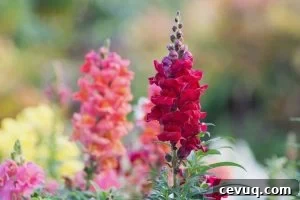
- USDA Hardiness Zone: all zones
- Growing Climate: full sun (6+ hours)
- Color Scheme: many colors and bi-colors
- Self Sowing: yes
- Note: can be perennial in zones 7–11
Statice
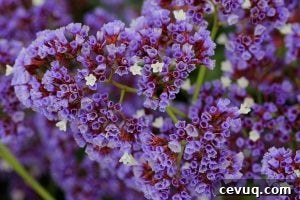
- USDA Hardiness Zone: 3–9
- Growing Climate: full sun (6+ hours)
- Color Scheme: white, peach, pink, yellow, violet
- Self Sowing: weak
Sunflower
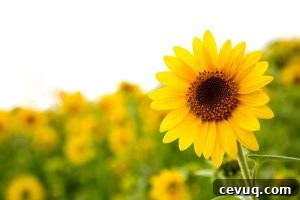
- USDA Hardiness Zone: 4–9
- Growing Climate: full sun (6+ hours)
- Color Scheme: yellow, bronze, red, some white varieties
- Self Sowing: yes
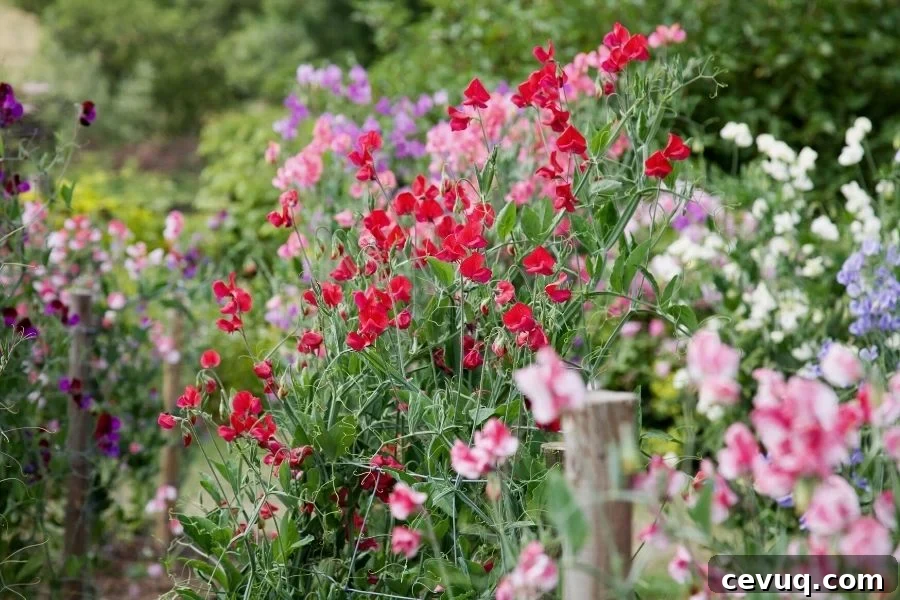
Sweet Peas
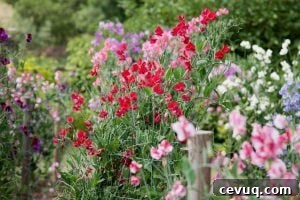
- USDA Hardiness Zone: all zones
- Growing Climate: full sun to partial shade
- Color Scheme: white, pink, red, purple, blue, bi-colors
- Self Sowing: yes
Sweet William
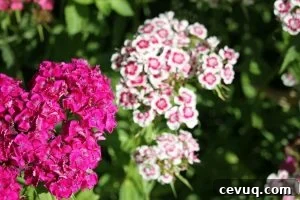
- USDA Hardiness Zone: 3–9
- Growing Climate: full sun to partial shade
- Color Scheme: white, yellow, pink, light purple, red, bi-colored
- Self Sowing: many varieties self-sow, though not all
Zinnia
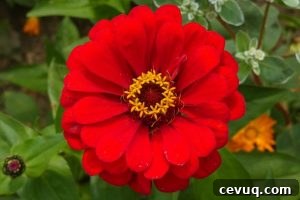
- USDA Hardiness Zone: 3–10
- Growing Climate: full sun (6+ hours)
- Color Scheme: nearly every color except true blue
- Self Sowing: yes
The Difference Between Hybrids and Heirlooms
Many cut-flower varieties will self-sow, but if you want the progeny to reliably match the parent plant’s color and form, choose open-pollinated or heirloom seeds. Hybrid varieties may not come true from seed and can revert to different colors or traits in later generations.
If you plan to save seed or rely on self-seeding for future seasons, purchase heirloom or open-pollinated varieties so your plants remain reliable year after year.
Where to Find Heirloom (or Open-Pollinated) Flower Seed
Open-pollinated and heirloom flower seeds are available from many reputable seed companies. Read seed descriptions carefully to confirm whether a variety is heirloom, open-pollinated, or hybrid.
Tips for Choosing Your Flower Colors
Decide on a color palette before buying seed. Do you prefer bright, warm tones like yellow and orange, soft pastels like peach and lavender, or deeper shades like wine and deep purple? A cohesive color plan makes arranging bouquets easier and creates a pleasing aesthetic in the garden.
Browse photos of varieties you like and select seeds to match your chosen scheme. Mixing complementary or harmonious colors will help your cut arrangements shine.
How to Plant Your Flower Seeds
Many of these cottage flowers can be sown directly outdoors, but always follow the sowing depth, spacing, and timing instructions on the seed packet for best results. Seed packets and seed company websites provide specific guidance for your climate and zone.
How to Create a Cutting Garden
Whether you have a large yard or just a few pots, start small if needed—two or three varieties are enough to get started. I compiled this list of 10 easy-to-grow cut flowers to inspire you to plant a few favorites and enjoy fresh, homegrown bouquets all season.