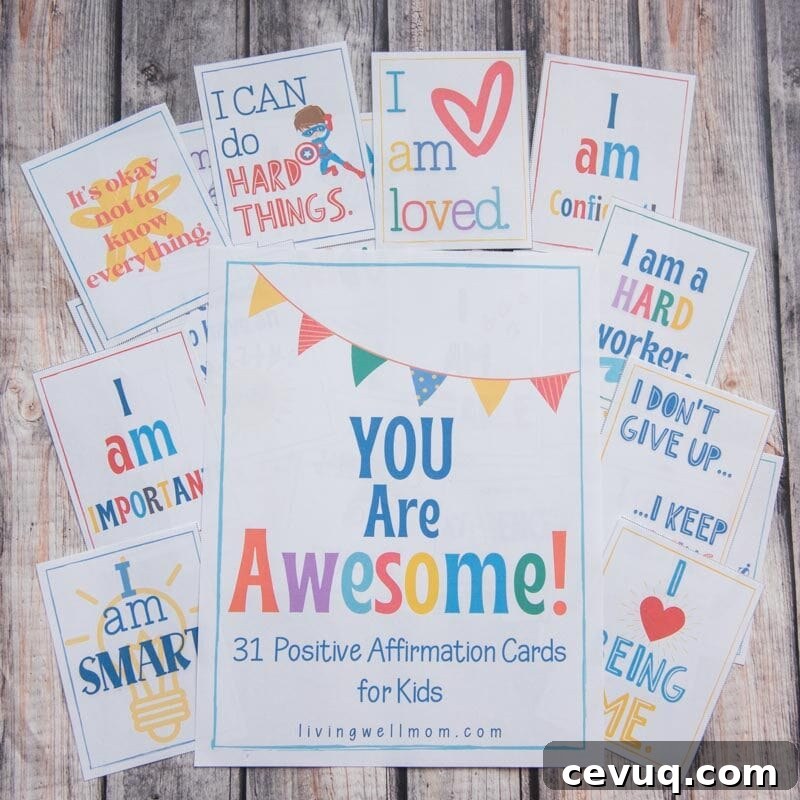
Looking for a gentle way to boost your child’s confidence and sense of self-worth? These affirmations for kids are simple, meaningful phrases you can use daily to encourage emotional resilience and positive self-image.
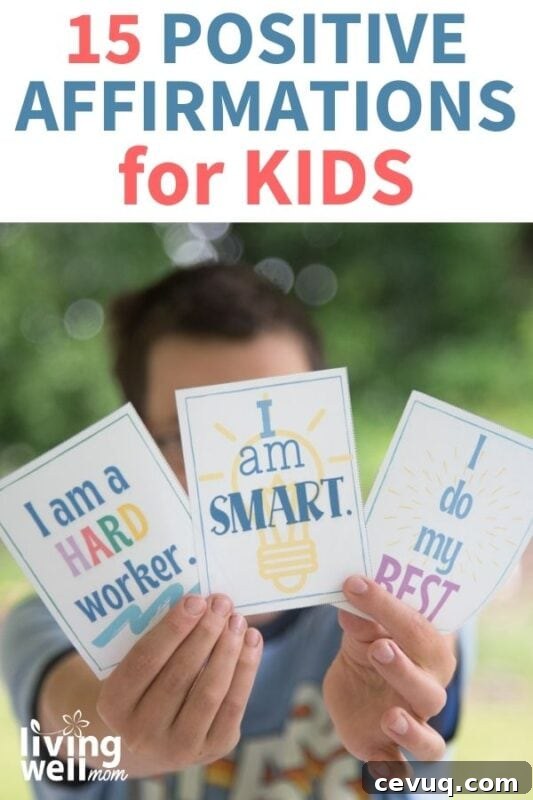
Why affirmations matter for children
Before sharing specific affirmations, it’s helpful to understand why they can be so useful. Like adults, children face anxiety, self-doubt, and fear. While we can’t shield them from every challenge, affirmations are a simple, practical tool to reinforce their value and capability.
Affirmations build confidence by offering positive reminders that children are worthy and able. They provide motivation to try new things, persist through setbacks, and cope with difficult emotions. When practiced consistently, affirmations can help shift a child’s internal narrative from doubtful to hopeful.
How to use affirmations with kids
Using affirmations is easy and most effective when done regularly. You don’t need elaborate phrasing—short, clear statements spoken with warmth are enough. Read them aloud, have your child repeat them, or display them where they’ll be seen daily.
Two common challenges to keep in mind:
1. Negative words stick more easily. Children often absorb criticism more intensely than praise. Regular positive reinforcement helps counterbalance that.
2. Kids may initially resist. Children don’t always pay attention to spoken affirmations. That’s why consistent repetition and visual reminders are important.
Why repetition works
Repetition helps affirmations sink in. Saying a positive statement once has limited impact, but repeating it regularly gives the message time to influence a child’s self-image. Over time, these repeated, supportive messages can change a child’s internal dialogue and strengthen their belief in themselves.
Practical tips for sharing affirmations
- Repeat them often—consistency is key.
- For children who read, post affirmations in visible spots like the fridge or bathroom mirror.
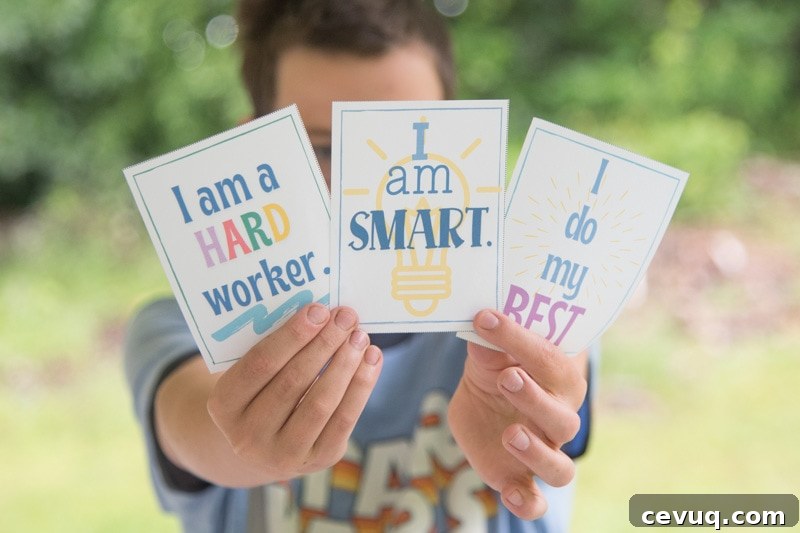
- Use fun fonts, colors, or images to make the messages appealing.
- Ask your child to repeat the affirmation back after you say it to reinforce learning.
- Make it part of your daily routine—morning, before school drop-off, or bedtime work well.
- Consider creating flashcards to read together at night for a calming, confidence-building ritual.
- Model the habit by practicing positive statements yourself so your child sees it in action.

15 positive affirmations to get started
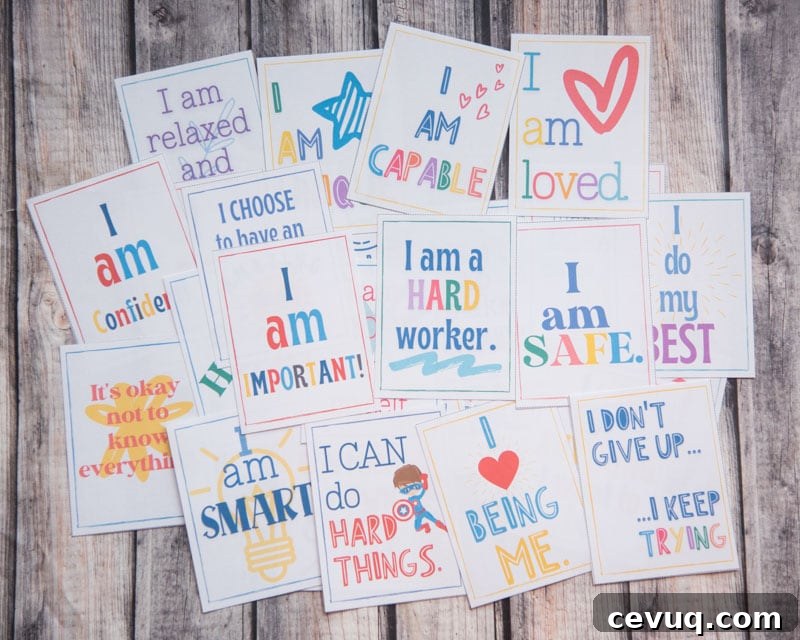
Here are simple, child-friendly phrases you can begin using today:
- I am confident.
- It’s okay not to know everything.
- I am smart.
- I can do hard things.
- I love being me.
- I don’t give up—I keep trying.
- I do my best.
- I am safe.
- I am a hard worker.
- I am important.
- I am loved.
- I am capable.
- I am unique.
- I can do anything I put my mind to.
- I am proud of myself.
Printable affirmations and next steps
Affirmations are a practical, low-cost way to nurture optimism and self-worth. For many families, printable cards or a small daily routine make it easier to practice consistently.
If you’re starting out, pick a handful of affirmations and use them daily until they feel natural. Younger children benefit from short, repeated phrases, while older kids may prefer slightly deeper statements that encourage independence and effort.
Affirmations are a meaningful tool you can use alongside empathy, encouragement, and active listening. Over time, they can help your child replace negative self-talk with a kinder, more resilient inner voice.
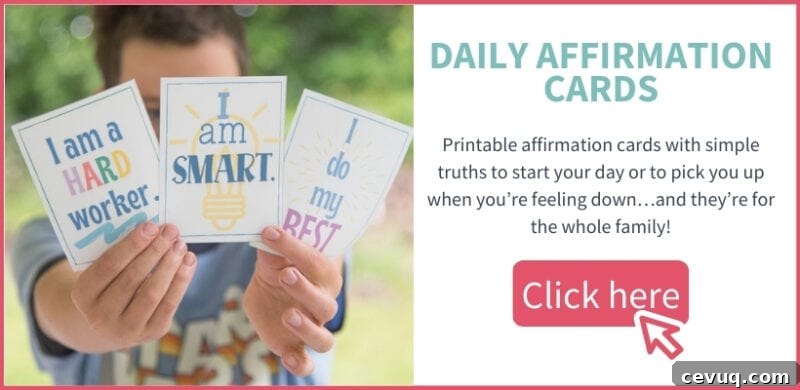
To make the habit stick, try printing a few affirmations, displaying them where your child will see them, and practicing together. Consistent, loving reinforcement helps these messages shape a positive and lasting sense of self.