

Making breakfast fun, flavorful, and on-trend encourages students to eat at school. Offering a variety of appealing flavors, textures, and visual elements increases engagement and excitement around your menu. With a few practical strategies, school breakfast can be both interesting and nutritious without becoming a heavy workload for kitchen staff.
Kids Eat with their Eyes
Design items that are colorful using natural fruit and vegetable hues, layered to show contrast, and bite-sized for easy eating.
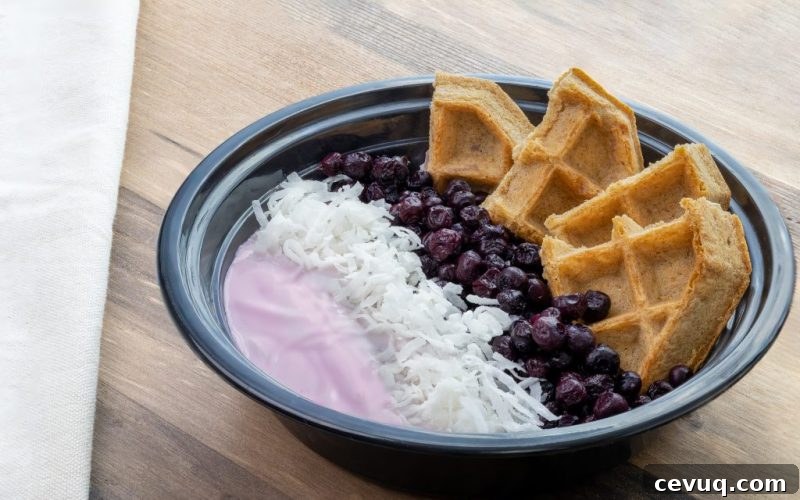
Smoothie bowls with vibrant fruit colors—like bright berries and tropical mixes—create an eye-catching presentation. Even a gentle swirl of fruit into yogurt immediately boosts visual appeal and invites students to try the dish.
Layered parfaits are attractive even with subtler colors. For example, cinnamon-spiced yogurt layered with fruit and whole-grain crumbs offers a neat, inviting look and a variety of textures.

Make Everything Dippable
Offer a range of yogurt-based dips that can be sweet or savory and kept lower in added sugar. Dips add interaction and make familiar foods feel new.
- French toast sticks with fruit dip
- Waffle sticks served with yogurt or berry sauce
- Pancake sticks with nut-free spread or syrup cup
- Egg and cheese roll-ups paired with ketchup or mild salsa

Maple Vanilla Yogurt
A simple maple and vanilla mix sweetens plain yogurt naturally and works as a versatile dip for fruit, french toast sticks, waffle wedges, and more. It’s an easy way to add flavor without relying on packaged sauces.
Breakfast Gets a Street-Food Vibe: Handheld Foods Feel Modern and Fun
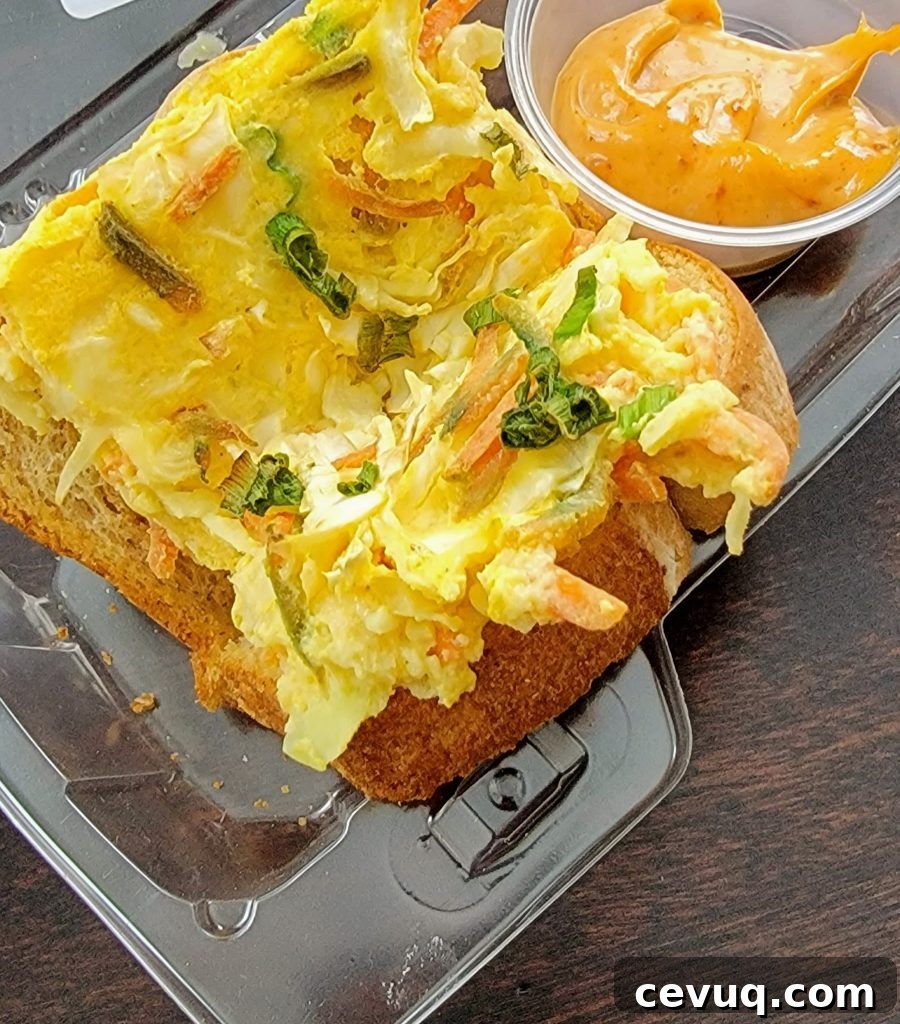
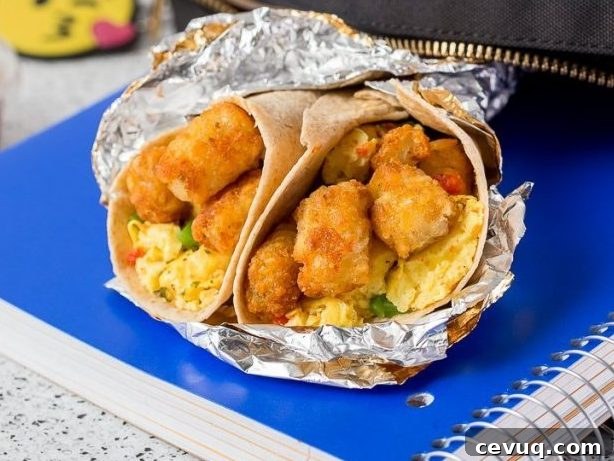
Many students grab breakfast on the go, especially in upper grades. Portable, street-food-inspired options are trendy and increase participation by making breakfast easy to eat between classes.

Trendy Naming
Give menu items playful, descriptive names to create instant appeal. The same dish can feel new with a creative title. Examples include:
- Glow Bowls (smoothie bowls)
- Mini Stack Attack (pancake stacks)
- Breakfast Taco Bar
- Power Pancake Bites
- Morning Dippers
Remix Classic Comfort Foods
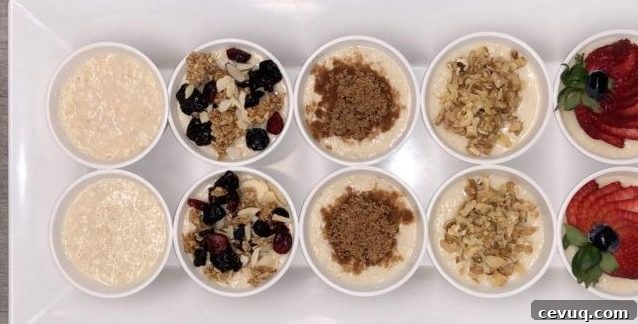
Reimagine classics by changing flavor pairings or how they’re served. This keeps familiar favorites exciting and encourages students to try them.
Making Breakfast Fun
Themes and special events break up routine and bring energy to the breakfast program for students and staff alike.
- Theme celebrations – Use themes like favorite books or superheroes for younger grades, or Euro-cafe and bento-style breakfasts for older students.
- Example – Host “Breakfast Around the World” for younger students and give them passports or stamps to collect as they try different dishes.
- Taste tests – Invite students to sample new recipes, rate them, and vote for favorites to boost engagement.
- Example – The “Two-Bite Club”: give a sticker to students who try two bites of the monthly featured item.
Treat-Inspired but Balanced
Students are drawn to dessert-like breakfasts. Offer versions that include protein and fruit so they’re more balanced and sustaining.
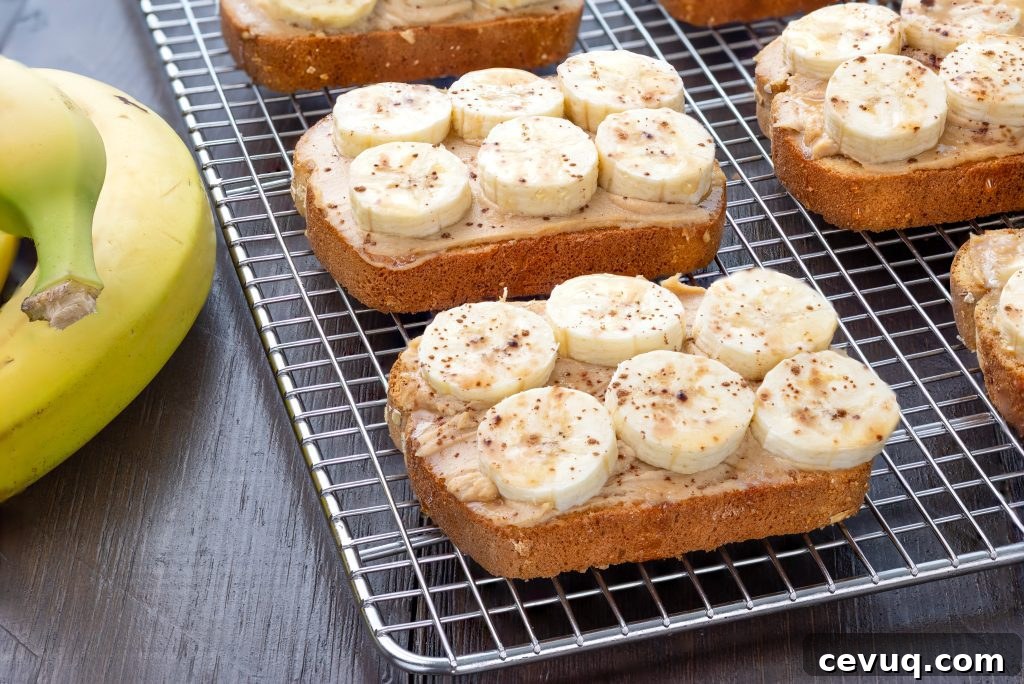
- Other ideas include S’mores yogurt cups (graham crumbs, chocolate, and yogurt) or PB&J-style rice pudding for a familiar, balanced twist.
Important Tips for Breakfast Preparation
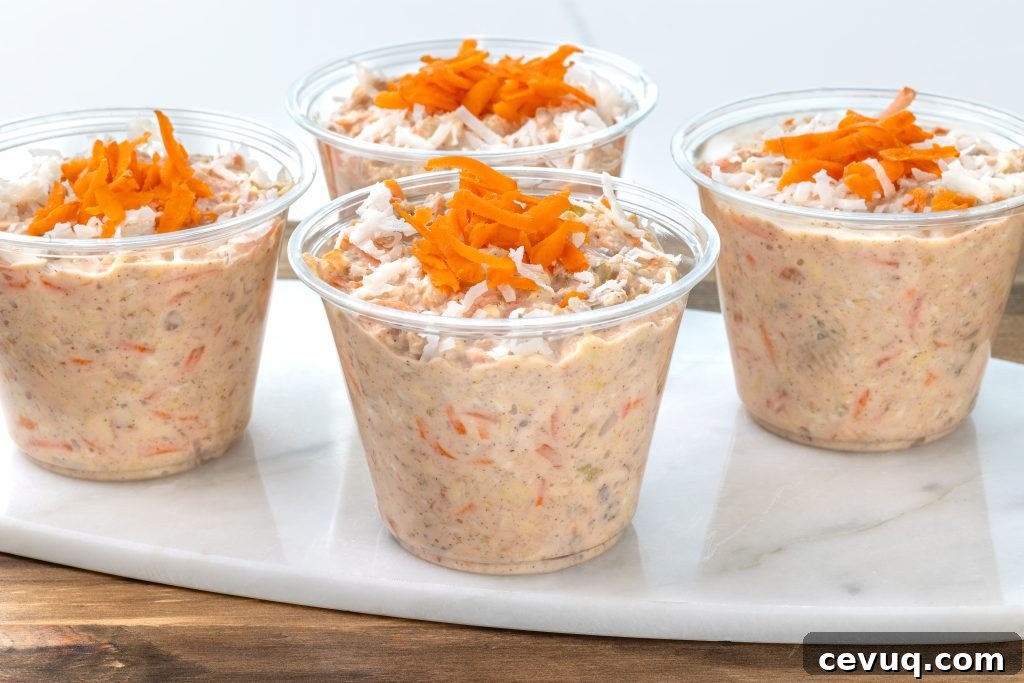
- Speed Scratch for the Win! – Prepare core items in-house using minimally processed ingredients. These scratch-made items replace highly processed packaged foods while remaining realistic for school kitchens. Examples: baked oatmeal, egg bakes, overnight oats, and breakfast breads.
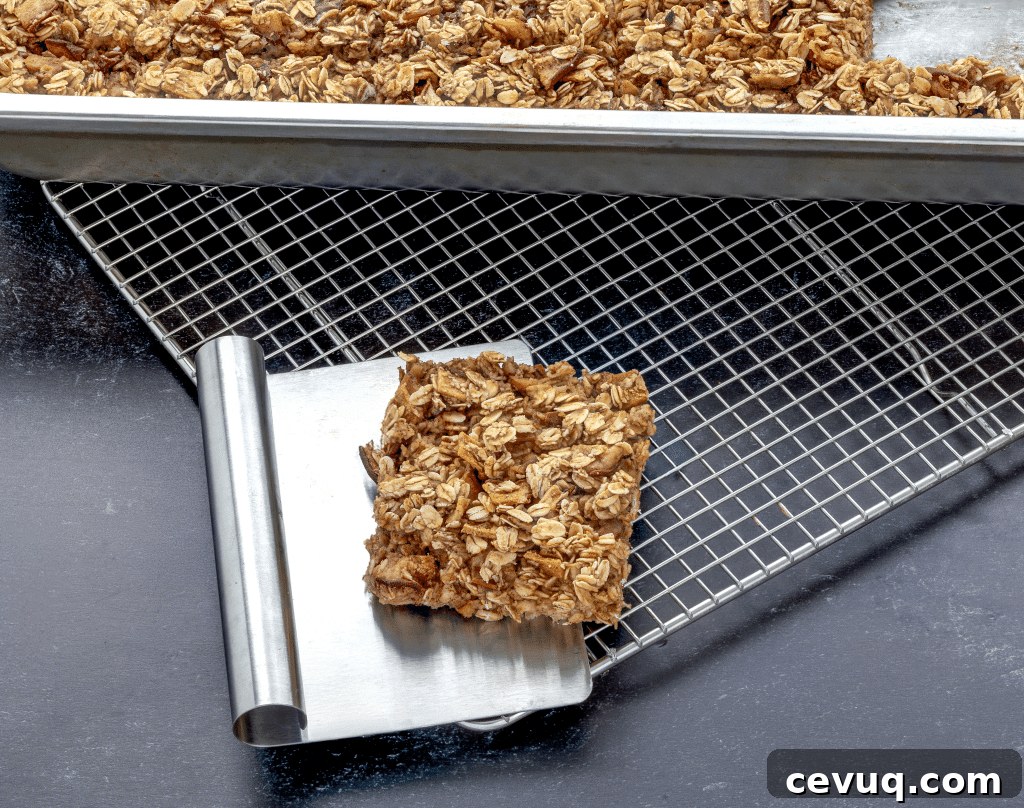
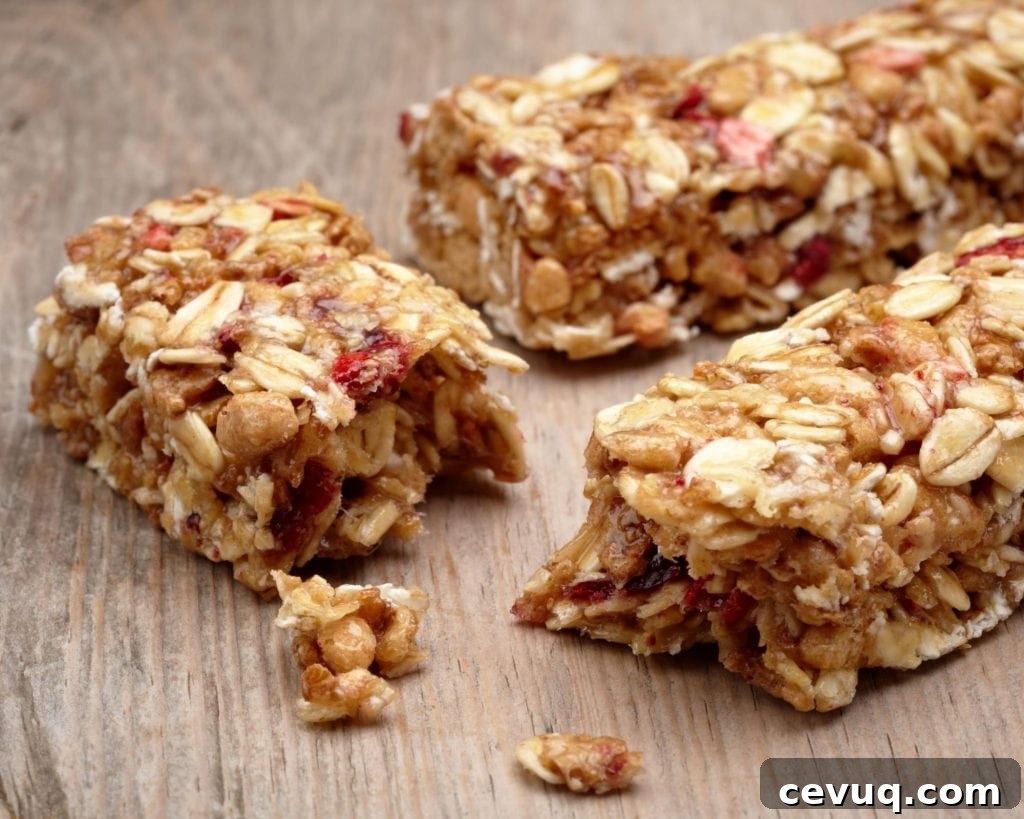
- Use Practical Recipes – Choose simple, scalable, and forgiving recipes. Focus on sheet-pan baking, minimal steps, and standardized portions. Examples: oatmeal bars, breakfast burritos, house-made pancakes or waffles that can be frozen, and advance-assembled breakfast sandwiches.
- Cook in Batches – Prepare large quantities ahead, portion, and store safely for service over several days. Baked oatmeal or egg casseroles can be made in sheet pans, cut into portions, and reheated quickly, reducing daily workload while maintaining consistency and food safety.
- Equipment for Efficiency – Most school kitchens have convection ovens, sheet pans, steamers, and large mixers—use these assets when designing scratch menus. If equipment is limited, prioritize no-cook or bake-only items like overnight oats or breakfast breads.
- Staff Confidence – Roll out new scratch items gradually and emphasize practicality over perfection. Provide clear, standardized recipes written for large-scale production with photos of the final product, and offer hands-on demonstrations to boost consistency and reduce errors.