With four kids at home, packing lunches can easily feel overwhelming and time-consuming. I do it because I love my children and want them to eat well, but I also want the process to be manageable. A few years ago I decided I didn’t want to spend every evening packing lunches, and I certainly didn’t want to scramble in the mornings. That led me to develop a few simple systems that save time, reduce stress, and help the kids eat healthier.
I’m proud to share some of my favorite healthy lunch hacks. These ideas focus on practical organization, family involvement, and repeatable routines so packing school lunches can be fast without sacrificing nutrition.
One of the biggest changes I made was to involve the kids. For years I packed everything myself, but now they’re old enough to help and it’s been a game changer. I still take care of the more tedious or hazardous tasks—like washing and chopping vegetables and preparing sandwiches—but the kids choose from prepared options and assemble their own meals. Teaching them to make choices builds independence and reduces the load on me.
An easy way to involve children is to give them a simple chart or checklist with a few categories to complete: protein, fruit or vegetable, grain, and a snack. This keeps meals balanced while allowing each child to select what they’ll eat. Keep items prepped in clear containers or a designated shelf so choices are visible and grabbing lunch is quick.
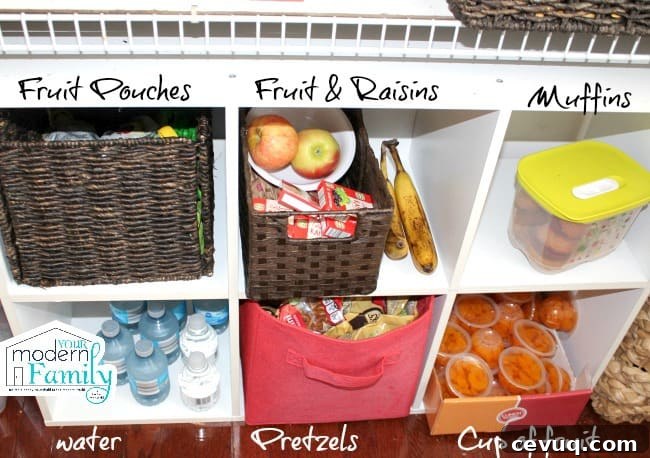
An organization station is essential. I use a divided shelf with labeled bins for items like sliced fruit, cut vegetables, cheese sticks, yogurt cups, whole fruits, and pre-portioned snacks. Having a specific place for each type of item prevents clutter and makes it simple for kids to assemble balanced lunches. A few tips for organizing the station:
- Pre-portion snacks into reusable containers or bags so you can quickly grab the right amount.
- Keep fresh produce washed and ready in clear, airtight containers to maintain freshness and visibility.
- Store sandwiches or wraps in a stackable container in the fridge so they’re easy to reach.
- Label shelves or bins by food group or by child to speed up morning routines.
Batch prep on the weekend or one weekday evening to lessen nightly work. Roast a tray of vegetables, hard-boil eggs, make a batch of muffins or energy bites, and portion protein options like sliced turkey, hummus cups, or cheese cubes. These prepared items can be mixed and matched throughout the week to keep lunches varied and appealing. Rotate flavors and textures—crunchy, creamy, sweet, savory—to keep kids engaged.
Food safety and storage matter. Use insulated lunch bags and ice packs for items that must stay cold, and choose containers that seal well to prevent leaks. Pack sauces, dips, or dressings separately in small containers to avoid soggy sandwiches or salads. If a child has specific allergies or dietary needs, make sure those items are clearly separated and labeled to avoid confusion.
Make it fun and sustainable. Let kids pick a favorite container or bento-style box and involve them in choosing reusable utensils or a special napkin. Encourage them to try one new item each week so their tastes expand gradually. When children have ownership over their lunch choices, they are more likely to eat what’s in their boxes.
Finally, keep a short list on the fridge of quick lunch combinations and staples so you can assemble lunches in minutes. With a little planning, an organized station, and active participation from the kids, packing lunches becomes less of a nightly chore and more of a simple, shared routine that supports healthier eating.