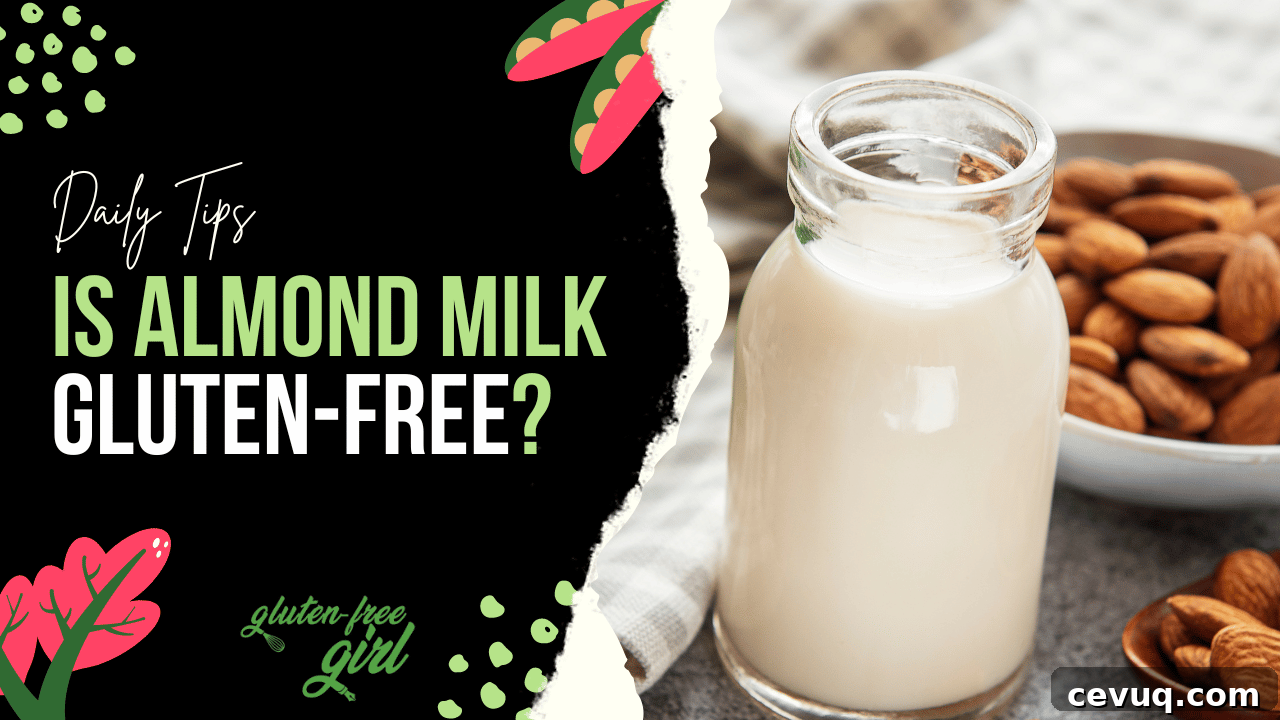
Yes, almond milk is gluten-free. Almond milk is made from almonds and water, not from grains, so it contains no gluten. Gluten is a group of proteins found in wheat, barley, and rye; nuts like almonds do not contain these proteins. Because almond milk is nut-based, it is naturally suitable for people with celiac disease or gluten sensitivity who need plant-based, dairy-free alternatives.
For people with celiac disease, strict adherence to a gluten-free diet is essential to prevent intestinal damage and other complications. Almond milk is a safe choice for these individuals because it does not contain intrinsic gluten. Still, it’s important to check labels for manufacturing practices and added ingredients that could introduce cross-contamination.
Including naturally gluten-free options like almond milk can support broader health goals, including reduced inflammation for those who experience gluten-related reactions. Almond milk is also compatible with many eating plans—such as Paleo-style or other health-conscious diets—that favor nut-based or dairy-free substitutions.
Can a Patient with Celiac Drink Almond Milk?
Yes. Patients with celiac disease can generally drink almond milk without issue because almonds do not contain gluten. Almond milk is a common dairy alternative used in gluten-free diets for beverages, cooking, and baking. As with any packaged product, consumers should verify that the brand’s production process minimizes cross-contact with gluten-containing ingredients.
Gluten—primarily made up of gliadin and glutenin proteins—triggers an autoimmune response in people with celiac disease that damages the small intestine and impairs nutrient absorption. Choosing almond milk instead of grain-based or some dairy products can help reduce the risk of inadvertent gluten exposure when the product is produced and labeled appropriately.
What Gluten-Free Recipes Can You Prepare with Almond Milk?
Almond milk is a versatile ingredient in many gluten-free recipes. Ideas include:
- Creamy Almond Milk Soup: Use almond milk as the creamy base for vegetable soups; its mild sweetness enhances savory flavors.
- Almond Milk Smoothie: Blend almond milk with fresh fruit, nut butter, or a touch of honey for a refreshing, naturally gluten-free drink.
- Gluten-Free Almond Milk Pasta Sauce: Make a creamy sauce with almond milk and gluten-free thickening agents for pasta dishes.
- Baked Goods with Almond Milk: Swap dairy for almond milk in gluten-free cakes, muffins, and breads using gluten-free flours.
- Almond Milk Rice Pudding: Substitute almond milk for dairy in rice pudding and flavor with vanilla, cinnamon, or citrus zest.
- Almond Milk Ice Cream: Create dairy-free, gluten-free frozen desserts using almond milk as the base.
- Almond Milk Chia Pudding: Combine almond milk with chia seeds for a nutritious breakfast or snack topped with fruit and nuts.
- Gluten-Free Almond Milk Pancakes: Use almond milk with gluten-free flours to make light, fluffy pancakes.
Is Almond Milk Dairy-Free?
Yes. Almond milk is dairy-free because it is made from almonds and water rather than animal milk. It is a popular option for vegans and people who are lactose intolerant. While almond milk itself is gluten-free, consumers should be mindful of added ingredients or shared production lines that could introduce gluten through cross-contamination. Always read labels if you need strict gluten-free assurance.
How to Maintain Gluten-Free Status in Drinks Made with Almond Milk?
To keep almond milk drinks gluten-free:
- Choose almond milk labeled or certified gluten-free when possible.
- Check that syrups, flavorings, protein powders, or other add-ins are also gluten-free.
- Prevent cross-contamination by using clean utensils and equipment not used with gluten-containing foods.
- When preparing drinks in shared kitchens, designate separate prep areas and tools for gluten-free items.
Cross-contamination can occur from shared spoons, blenders, or glasses previously used for gluten-containing products. Being careful with handling and storage reduces that risk.
Do Almond Milk-Based Pastries Typically Contain Gluten?
Often they do, because traditional pastries use wheat flour. While almond milk itself is gluten-free, the other ingredients may not be. To make pastries gluten-free, substitute wheat flour with almond flour, rice flour, coconut flour, or a certified gluten-free all-purpose blend. Also verify that flavorings, extracts, and thickeners are gluten-free and avoid cross-contamination during preparation.
Is Commercial Almond Milk Free from Gluten?
Most commercial almond milks are naturally gluten-free, but formulations and manufacturing processes vary. Some brands add thickeners, stabilizers, or flavorings that could contain gluten or be produced in facilities that handle gluten-containing ingredients. Read ingredient lists and look for gluten-free labeling if you require strict assurance.
Does Almond Milk-Based Ice Cream Usually Have Gluten?
Almond milk–based ice cream is typically gluten-free, but mix-ins (cookies, brownie pieces, certain flavorings) can introduce gluten. Check the ingredient list and any allergen statements to confirm that a particular flavor is safe for a gluten-free diet.
Are Alcoholic Beverages with Almond Milk Flavoring Gluten-Free?
Almond milk itself contains no gluten, so drinks flavored with almond milk are often gluten-free. However, the gluten status depends on the other ingredients and production methods. Distilled spirits are generally considered gluten-free after distillation, but added flavorings and post-distillation ingredients should be checked for gluten content.
What Steps Can Prevent Gluten Contamination in Almond Milk Drinks?
Prevent contamination by selecting certified gluten-free products, reading labels carefully, and using separate utensils and prep surfaces when making drinks. When ordering beverages out, ask about ingredients and preparation practices to ensure there’s no cross-contact with gluten-containing foods. Vigilance with added ingredients—such as powders, syrups, or mix-ins—is especially important.
Are Gluten-Free Ingredients Common in Almond Milk Desserts?
Yes. Many almond milk desserts are formulated to be gluten-free, and several brands label their non-dairy ice creams, puddings, and other desserts as gluten-free. Look for the gluten-free label or certification to confirm the product meets the standard (often less than 20 ppm gluten). Home-prepared almond milk desserts can also be made safely gluten-free by choosing appropriate flours, thickeners, and flavorings and by avoiding cross-contamination.
Is Gluten Present in Almond Milk Custard?
No—almond milk custard can be gluten-free when prepared with gluten-free thickeners like cornstarch or arrowroot and gluten-free flavorings. Check packaged mixes or vanilla extracts for gluten-containing additives and ensure utensils and cookware are not contaminated by gluten during preparation.
Do Baked Goods with Almond Milk Often Include Gluten?
Yes, they often do when recipes use wheat flour. To make baked goods gluten-free, use alternative flours such as almond, rice, coconut, or certified gluten-free blends. Many other baking ingredients—sugar, baking powder, baking soda—are naturally gluten-free, but always verify processed ingredients and avoid cross-contact.
Is Gluten a Common Ingredient in Almond Milk Cake?
No, gluten is not inherent to almond milk cakes. Traditional cake recipes may include wheat flour, but gluten-free versions replace it with alternative flours. Pay attention to fillings, icings, and decorations, as these can sometimes contain gluten.
Are All Almond Milk Food Products, Including Those Containing Starch, Gluten-Free?
Many almond milk products are gluten-free, but labels and ingredient lists should be checked, especially for products that include starches, thickeners, or flavorings. Examples:
- Almond Milk Beverages: Generally gluten-free unless additives or cross-contact are present.
- Almond Milk Creamers: Often gluten-free, but some formulas include thickeners or flavors that may contain gluten—check labels.
- Almond Milk Yogurt: Usually gluten-free, but review manufacturing practices and ingredient lists for reassurance.
- Almond Milk Ice Cream: Typically gluten-free unless mix-ins introduce gluten.
- Almond Milk with Added Starch: Often gluten-free, but the source of starch matters—verify that any starch used is not derived from wheat or another gluten-containing grain.
When in doubt, choose products labeled gluten-free and review ingredient statements. People with celiac disease or severe gluten sensitivity should remain attentive to potential cross-contamination and changes in product formulations.