
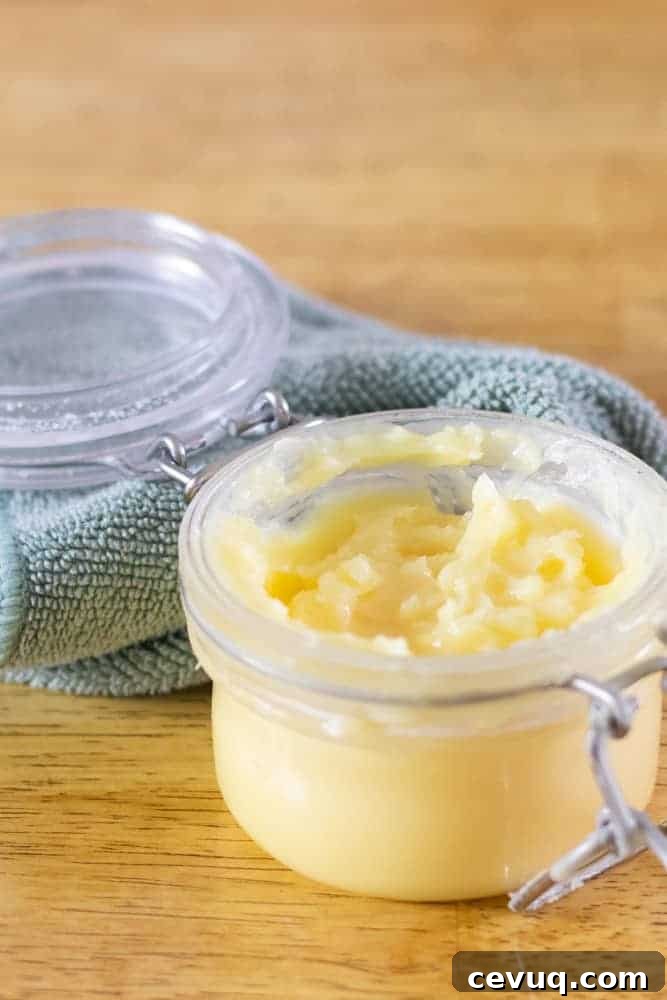
This DIY beeswax furniture polish cleans, conditions, and restores wood surfaces. Made from beeswax and oil, it’s an affordable, all-natural, and simple wood polish you can make at home. It leaves a subtle, natural sheen without harsh chemicals and is gentle enough for use around the kitchen and children.
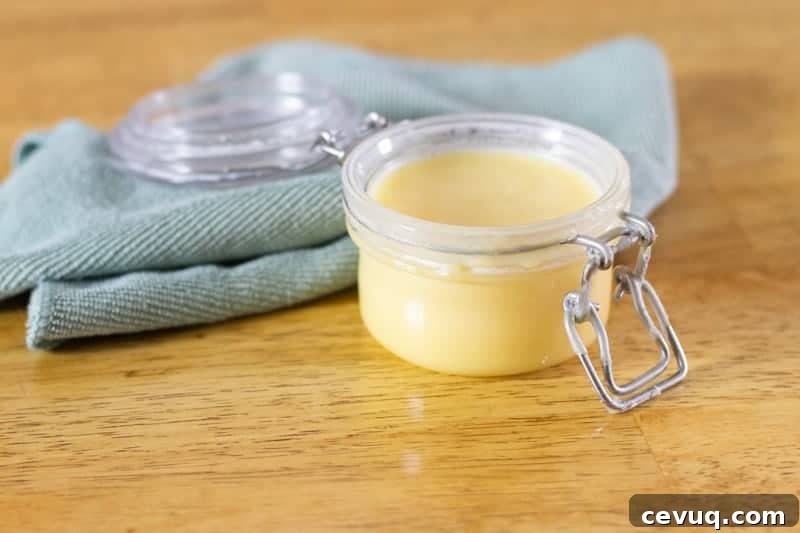
Much of the wooden furniture in our home was made by my husband, and when we refreshed our kitchen table I decided it was time to try a dedicated furniture polish. After testing a few formulas, I settled on this simple blend of beeswax and oil. It enhances grain and color while protecting the wood from drying out, cracking, or splitting.
This beeswax polish works on a variety of wooden items: tables, chairs, cutting boards, wooden utensils, toys, decorative boxes, and more. Because the ingredients are natural and non-toxic, it’s a safe choice for kitchen surfaces and family items. Essential oils can be added for fragrance, but the beeswax itself has a pleasant, mild scent.
HOMEMADE BEESWAX FURNITURE POLISH
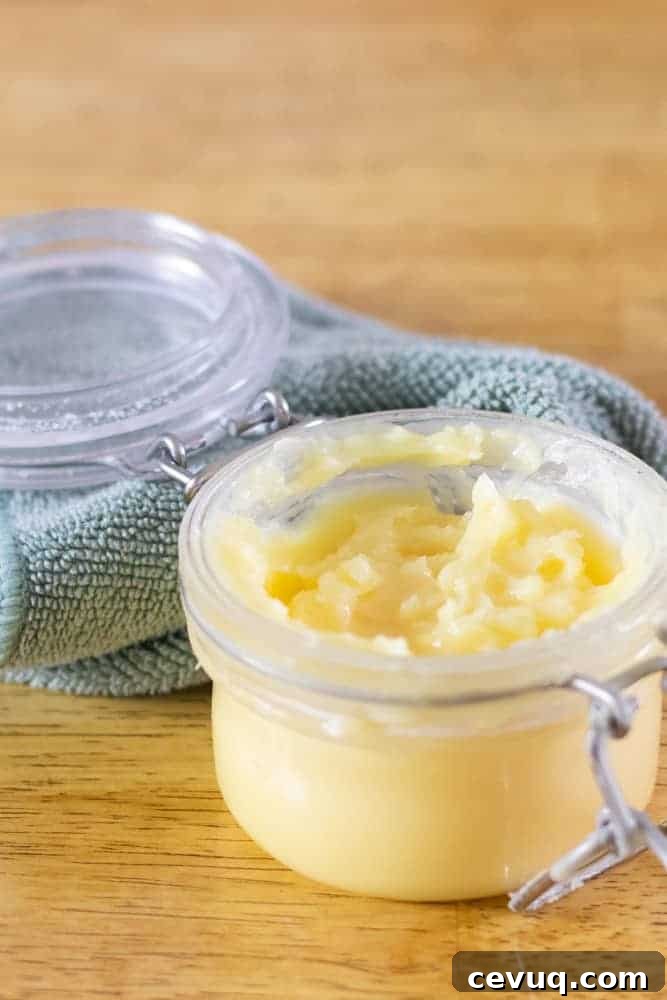
Making beeswax furniture polish requires no special tools. A double boiler or a small glass bowl set over a saucepan works perfectly. The basic version uses beeswax and olive oil, though mineral oil, jojoba oil, or coconut oil can be substituted depending on the desired scent and shelf life.
WHAT YOU NEED TO MAKE BEESWAX POLISH
- 1/4 cup beeswax (pellets or grated)
- 3/4 cup olive oil (or mineral oil, jojoba, or fractionated coconut oil)
- 10 drops wild orange or lemon essential oil (optional; use sparingly and test first)
- Double boiler (or saucepan with a heatproof bowl)
- Airtight container for storage (shallow jar or tin works well)
HOW TO MAKE BEESWAX POLISH
- Melt the beeswax and oil together in a double boiler over low heat, stirring until fully combined.
- Remove from heat and allow the mixture to cool briefly. If using essential oils, stir them in once the mixture has cooled enough to avoid degrading the oils.
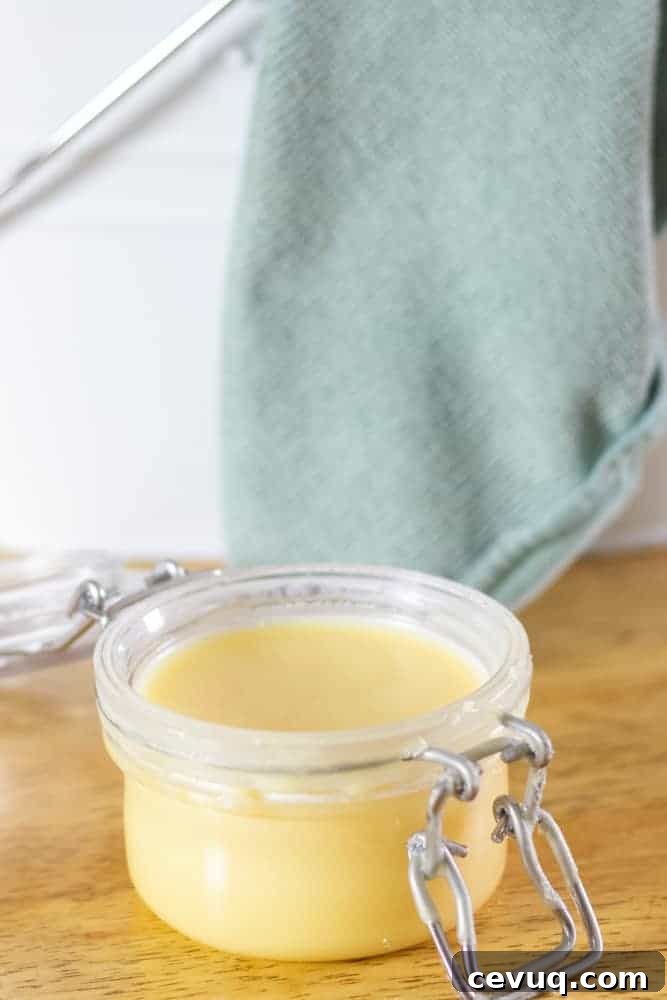
- Pour or spoon the mixture into a shallow, wide-mouth jar or tin and let it cool and set. The polish will firm up to a buttery consistency.
The finished polish should be soft enough to scoop with a fingertip or cloth yet firm enough to hold its shape in the container.
HOW LONG WILL HOMEMADE FURNITURE POLISH LAST
Stored in an airtight container in a cool, dark place, this polish should keep for about one to two years. Beeswax itself does not spoil, but the oil you use may have a limited shelf life, so check the oil’s expiration and choose oils with longer stability if you want an extended shelf life.
HOW TO USE BEESWAX WOOD POLISH
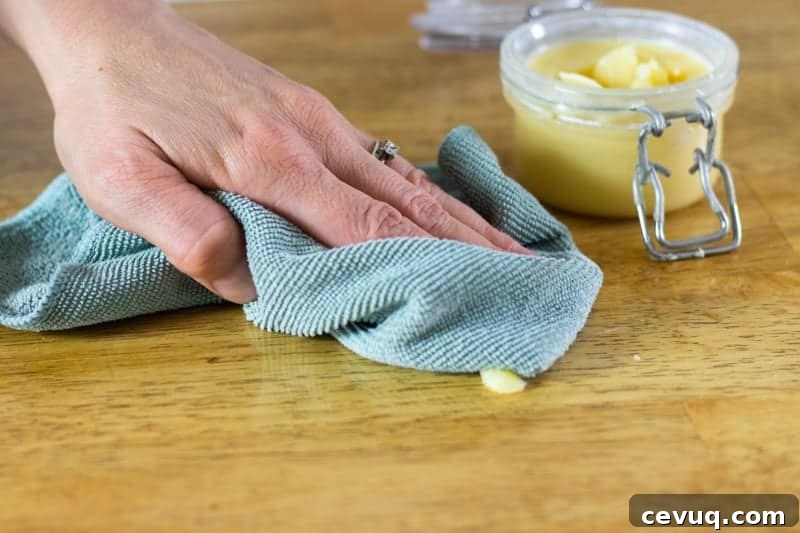
To clean and polish furniture, dab a small amount of the polish onto a clean, soft cloth and rub it into the wood following the grain. Buff with a dry cloth to remove any excess and to achieve a polished finish.
For untreated or very dry wood, soften the polish first by placing the jar in warm water for a few minutes so it spreads more easily. Apply a thin layer, allow it to penetrate, then buff off the excess. Always test the polish on a small, inconspicuous area before treating the whole piece.
HOW OFTEN SHOULD I USE FURNITURE POLISH?
Dusting should be done regularly, but polishing is less frequent. In general, polish every six weeks or whenever wood appears dull, dry, or slightly rough. High-use items like cutting boards and utensils may need more frequent conditioning.
A similar oil-based balm can be used specifically for wooden utensils and cutting boards; those recipes vary slightly to prioritize food-safe oils and faster absorption.
BEST INGREDIENTS FOR HOMEMADE FURNITURE POLISH
BEESWAX
Beeswax has long been used in furniture polishes because it protects and gives a warm glow to wood. It fills tiny scratches, soothes rough grain, and gives a natural luster without chemical additives. Beeswax is safe, inexpensive, and effective for most wood finishes.
OIL
Olive oil is a convenient and natural option, but other oils may offer longer shelf life or different finishes. Mineral oil is food-safe and particularly suitable for items that come into contact with food, like cutting boards and utensils. Jojoba oil is stable and won’t go rancid quickly.
ESSENTIAL OILS
Essential oils are optional and primarily used for scent or mild cleaning benefits. Common choices include lemon, wild orange, lavender, and tea tree. Always dilute essential oils and test on the wood first; some oils can affect finishes or color if applied undiluted.
CAN YOU USE SOLID BEESWAX ON WOOD FURNITURE?
Yes—solid beeswax can be used directly by rubbing a block along the wood grain, but it’s easier and more even when melted and blended with oil. If applying solid wax, clean the surface first, rub with the grain, allow it to set, then buff thoroughly.
IN SUMMARY
- Make beeswax polish by melting beeswax with olive oil or another suitable oil.
- Polish wood every six weeks or when it looks dull or dry.
- Apply a small amount with a soft cloth, work with the grain, and buff away any excess.
DIY Beeswax Furniture Polish
This simple polish restores color, seals wood, and protects surfaces with natural ingredients.
Ingredients
- ¼ cup beeswax (pellets or grated)
- ¾ cup olive oil (or another suitable oil)
- 10 drops wild orange or lemon essential oil (optional)
Equipment
- Double boiler or saucepan with heatproof bowl
- Shallow jar or tin for storage
Instructions
- Melt beeswax and oil in a double boiler over low heat until combined.
- Remove from heat and let cool slightly. Stir in essential oils if using.
- Pour into a container and allow to set to a buttery consistency.
Storage: Keep in an airtight container in a cool, dark place for up to one year. Check oil expiration for best results.
Cleaning Products You May Enjoy
- Homemade Dish Soap Bars
- DIY All-Purpose Cleaner
- DIY Toilet Cleaning Bombs
- Homemade Shower Cleaner
- DIY Trash Can Deodorizer Spray
- Phone and Computer Screen Cleaner
- Homemade Natural Oven Cleaner