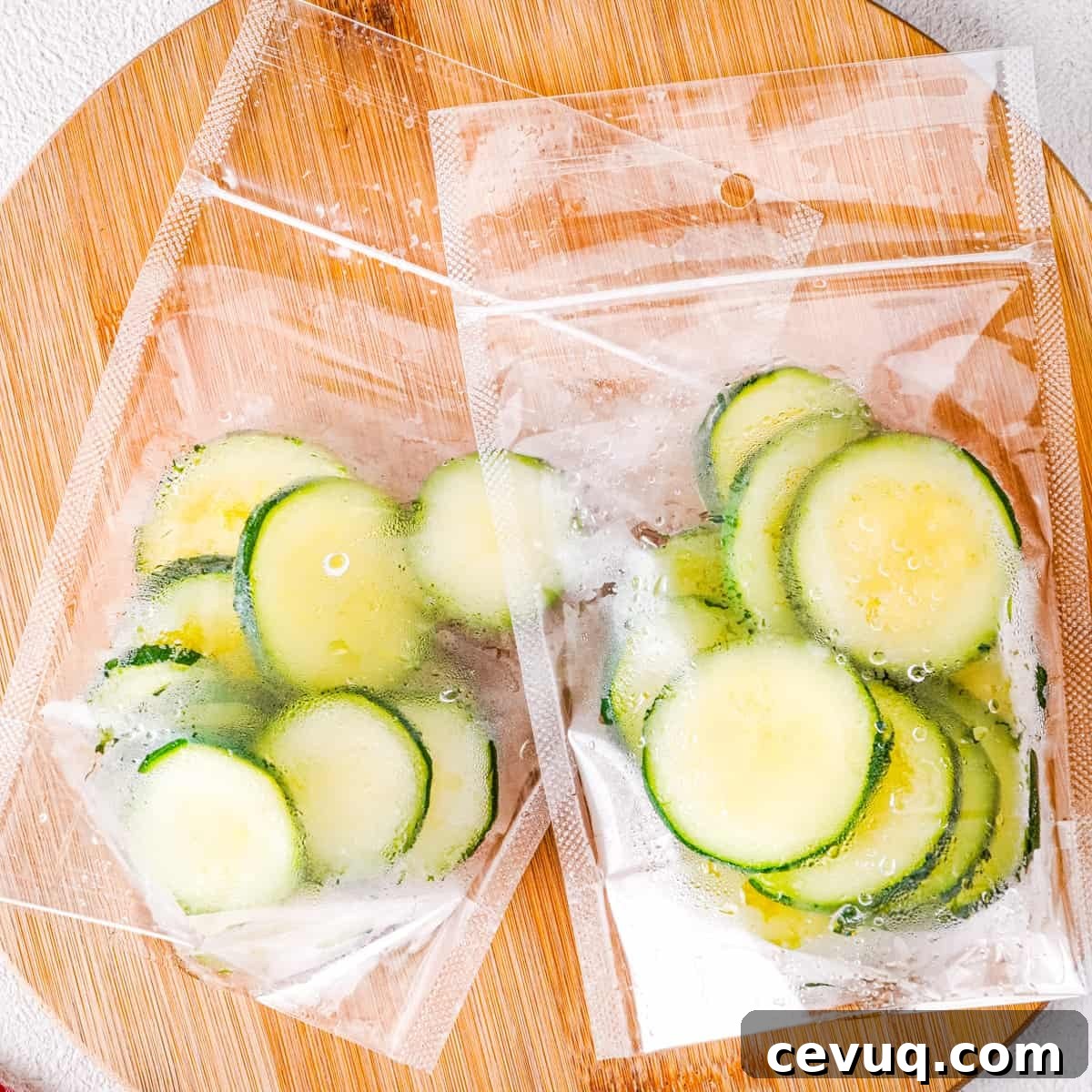
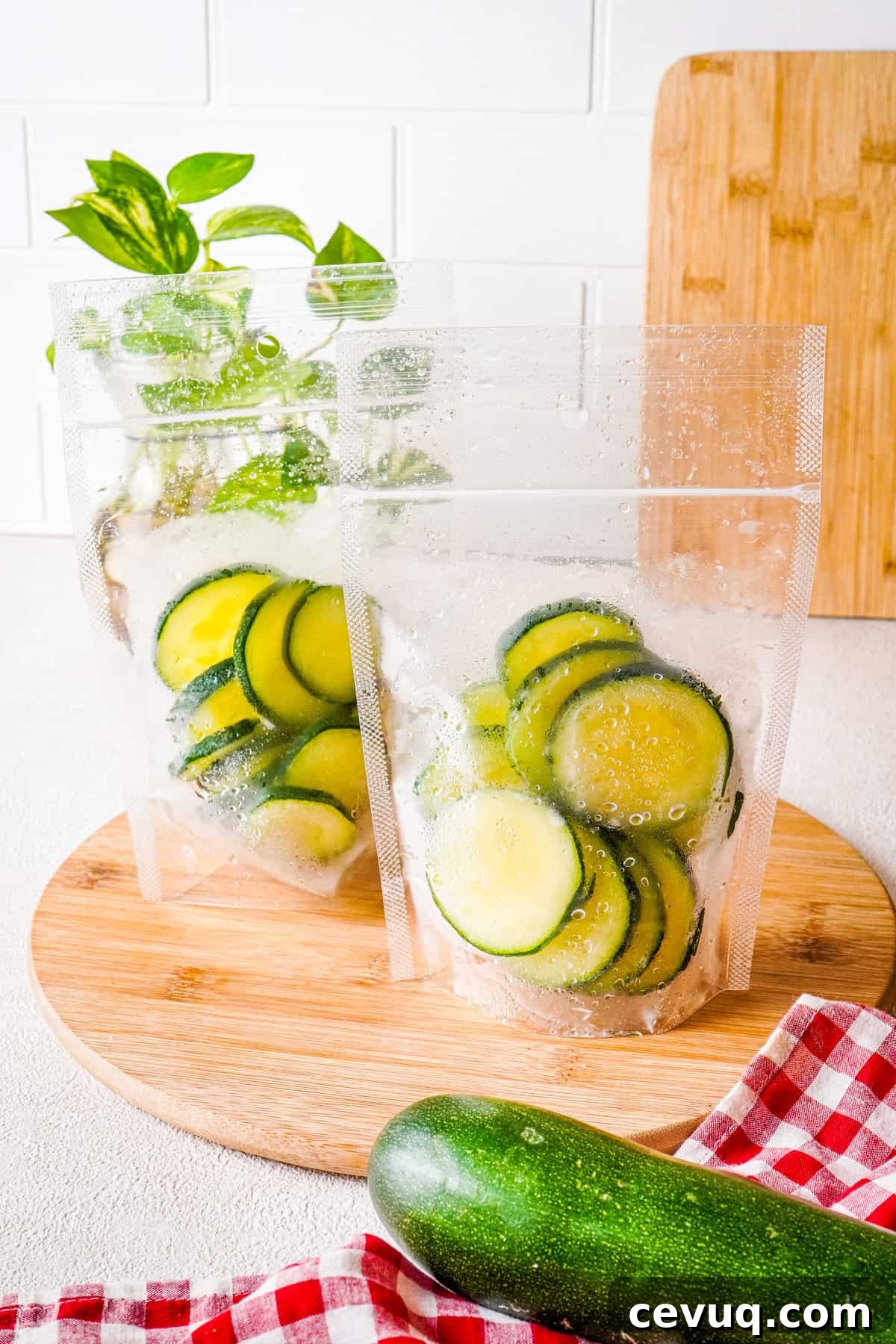
I love fresh summer zucchini and often want to enjoy it in soups, stews and bakes throughout the year. Because zucchini is seasonal, freezing it is an easy way to preserve its flavor and texture so you can use it any time. Below are clear, practical methods for freezing zucchini as slices or grated, with tips to help you get the best results.
This post contains helpful tips and tricks! If you’re in a rush, use the recipe card below to jump straight to instructions.
Why you’ll love this method
- Preserves zucchini well. Properly frozen zucchini keeps its flavor and useful texture, so you can enjoy it year-round.
- Simple process. Freezing zucchini is straightforward and doesn’t require special equipment. You can freeze slices or shredded zucchini, with blanching optional depending on use.
- Cost-effective. Summer zucchini is abundant and inexpensive. Freezing extra saves money and reduces waste.
- Versatile. Frozen zucchini works well in soups, stews, casseroles, sauces, smoothies and baked goods.
📋 Ingredients and notes
What you need: zucchini, parchment or a silicone mat, and freezer-safe bags or airtight containers. A baking sheet helps for flash-freezing slices.
Which form to freeze?
Choose the preparation based on how you’ll use the zucchini:
- Slices: Best for soups, casseroles and dishes where you want some structure.
- Grated/Shredded: Ideal for baked goods, breads and smoothies where the zucchini will be mixed into a batter or blended.
📖 Freeze zucchini slices
Rinse the zucchini to remove dirt, dry thoroughly, and trim the ends. Slice into roughly 1/4″ (about 6 mm) rounds.
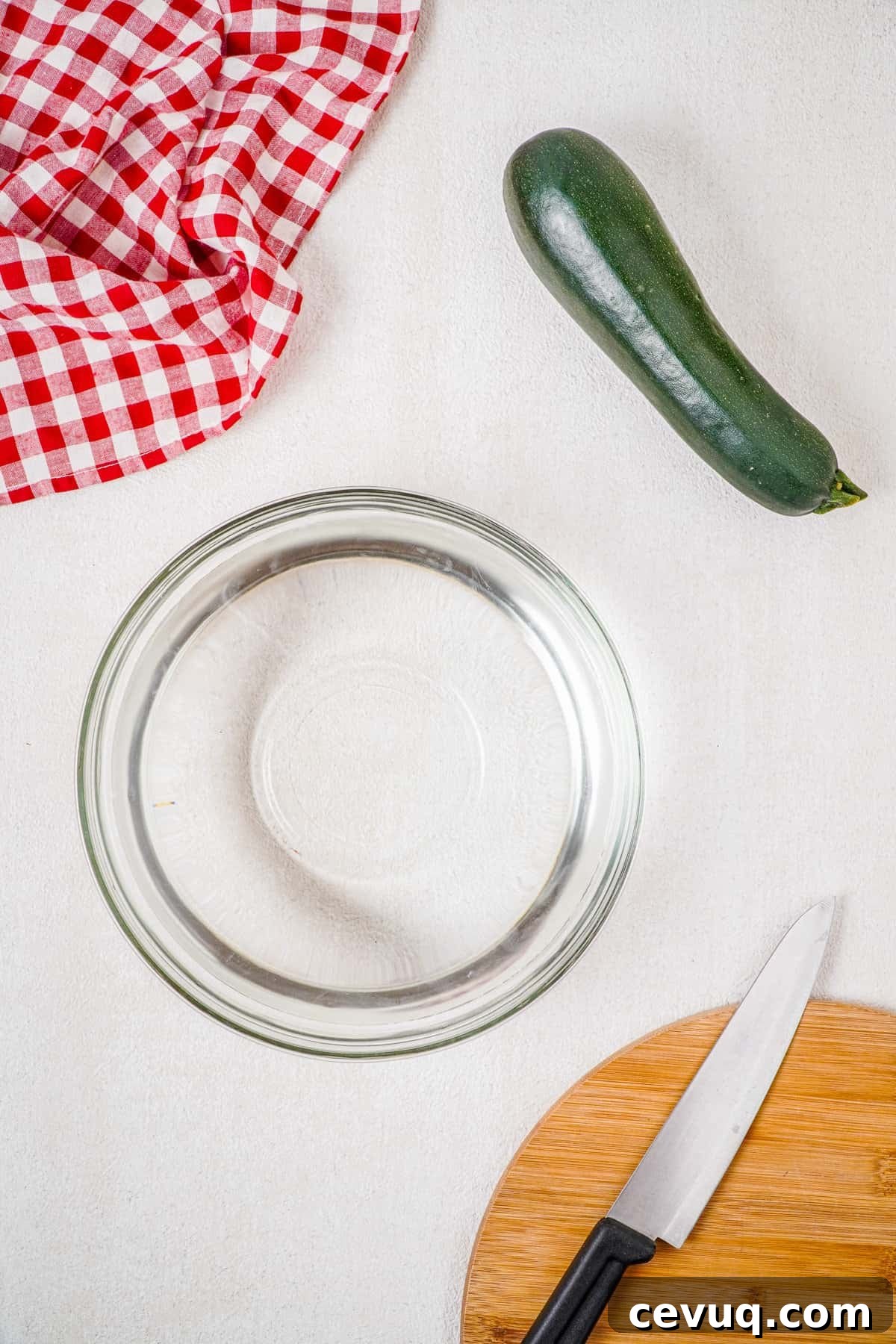
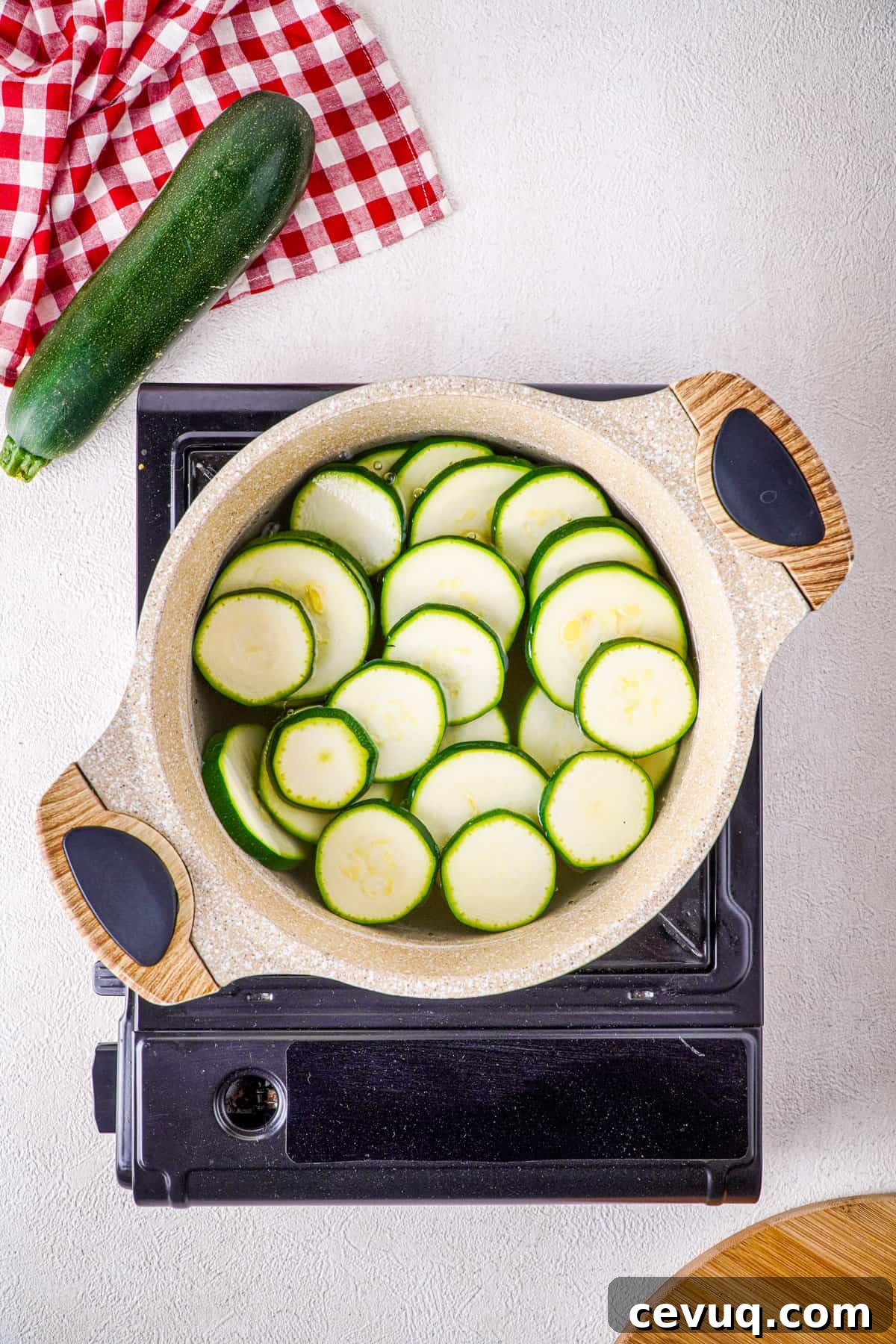
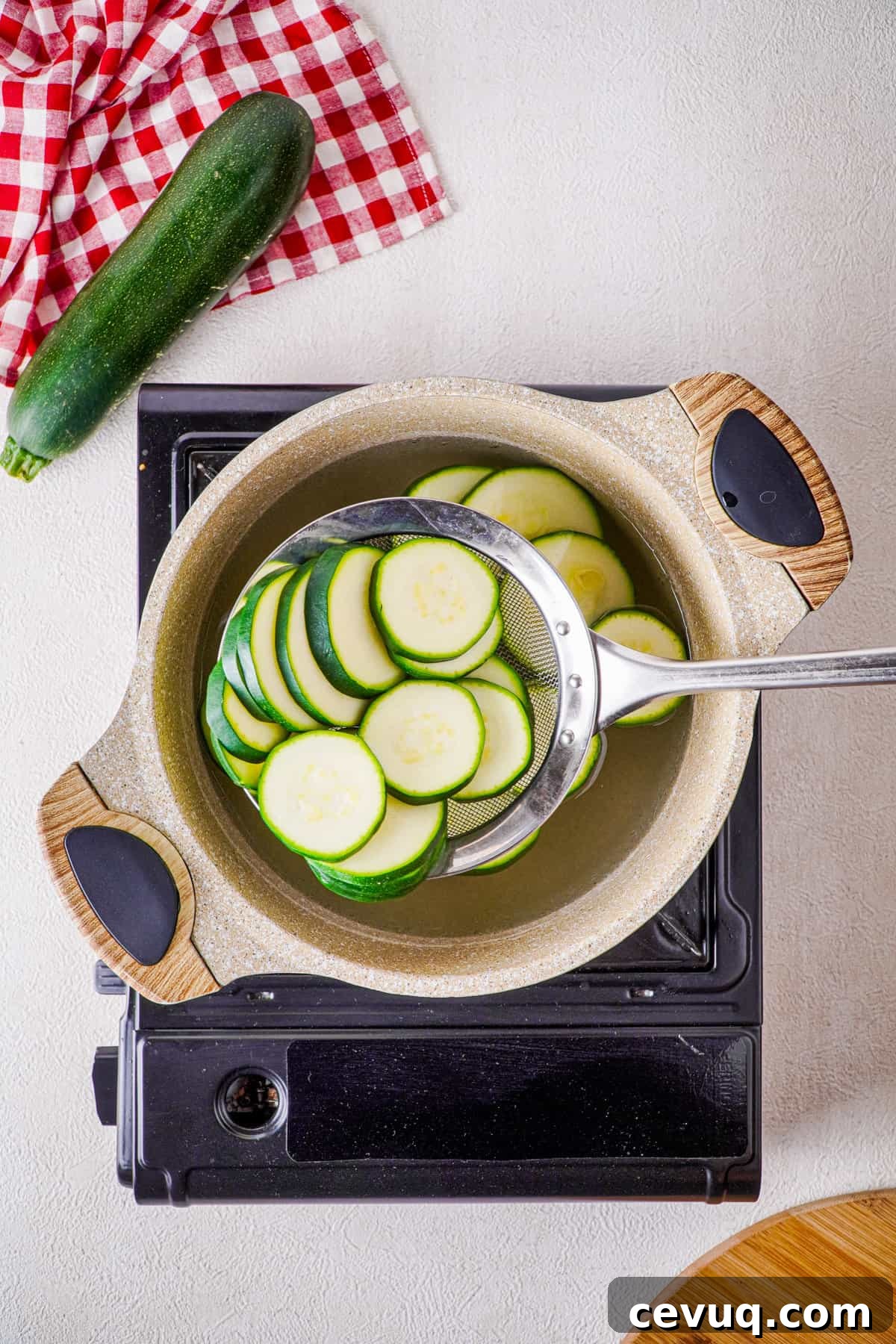
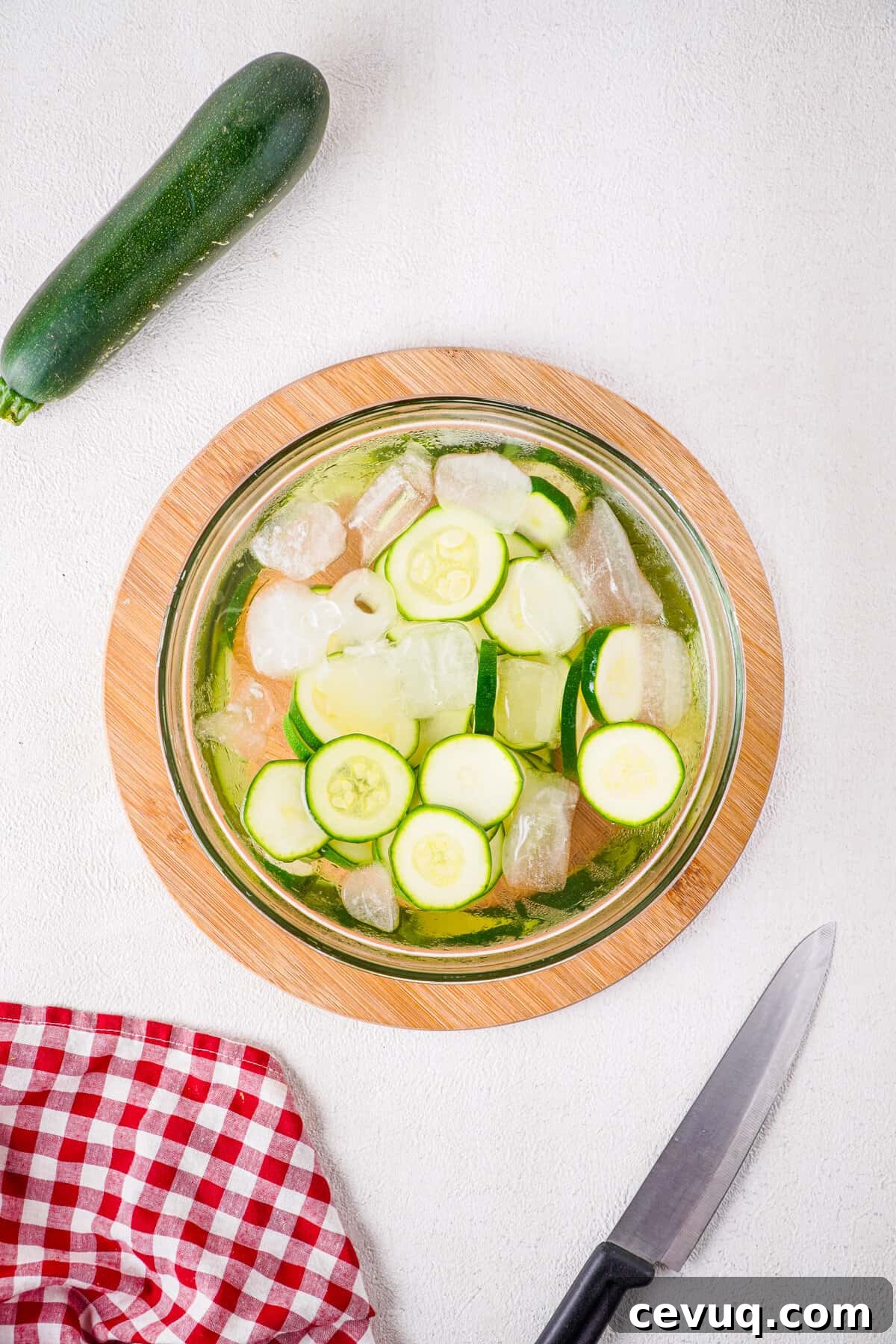
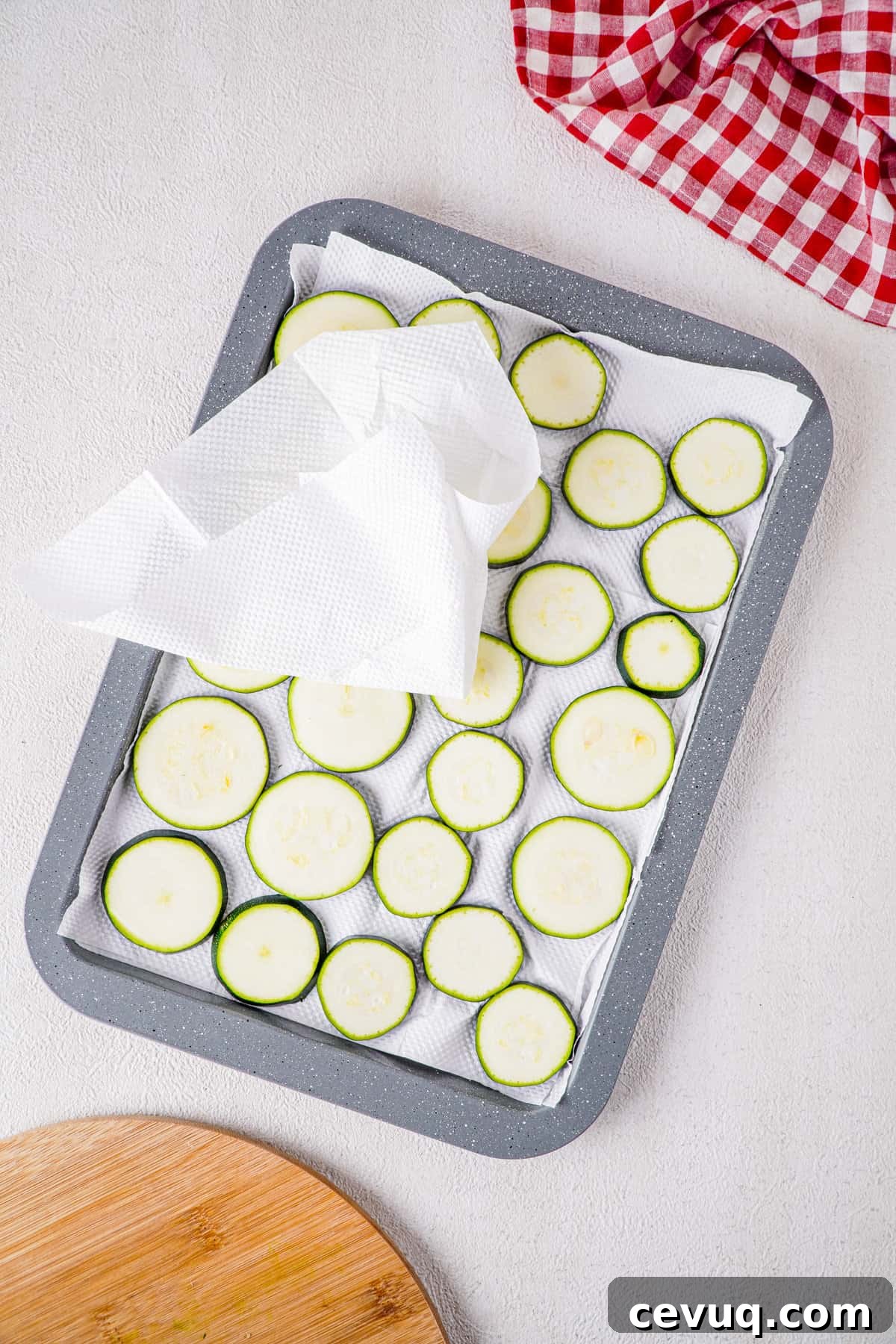
To help retain color and slow enzyme activity, blanch the slices: drop them into boiling water for about one minute, then transfer immediately to an ice bath using a slotted spoon. Drain and pat dry with a clean towel or paper towels.
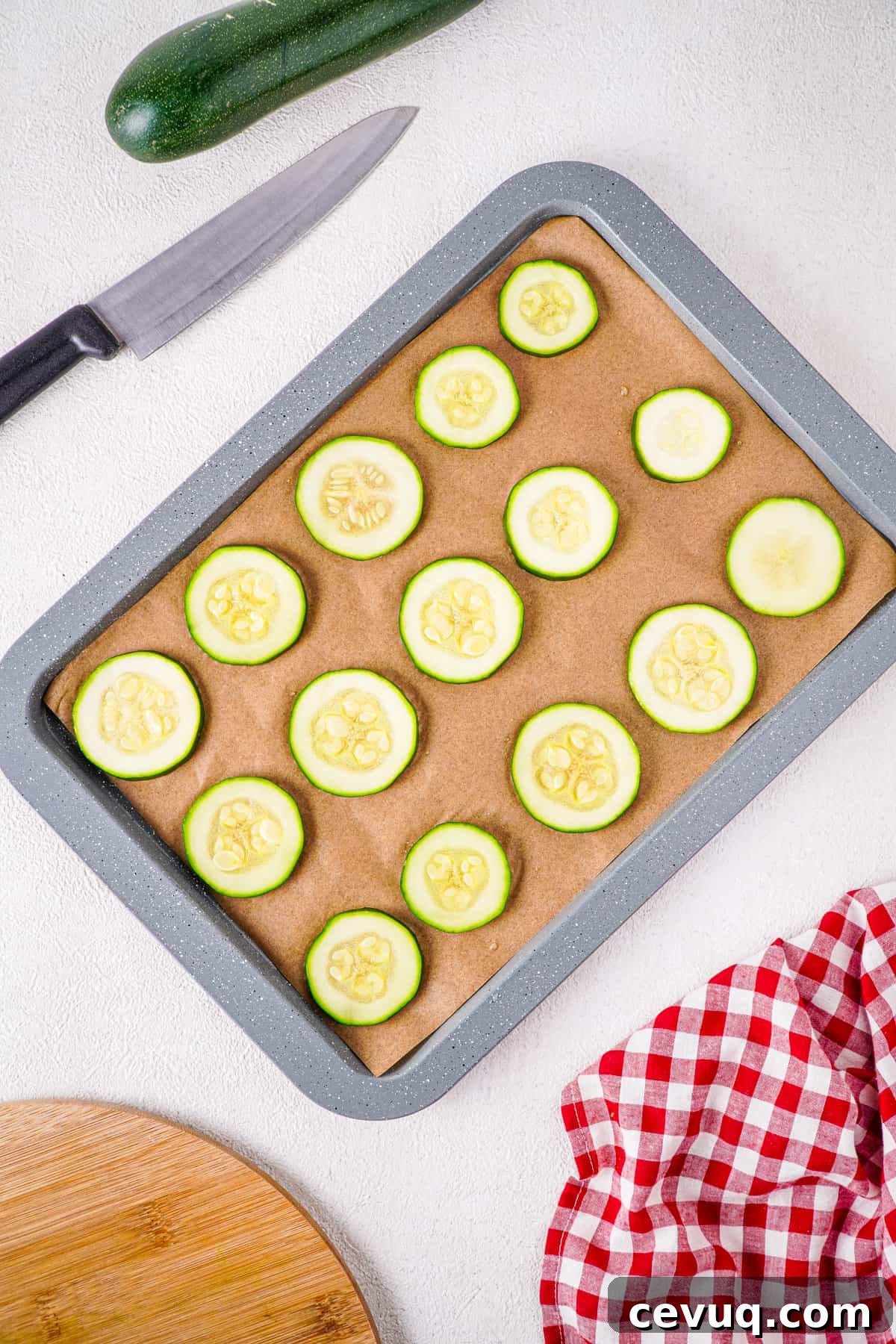
Arrange the dry slices in a single layer on a baking sheet lined with parchment or a silicone mat and place it in the freezer for 1–2 hours to flash-freeze. This prevents the slices from sticking together later.
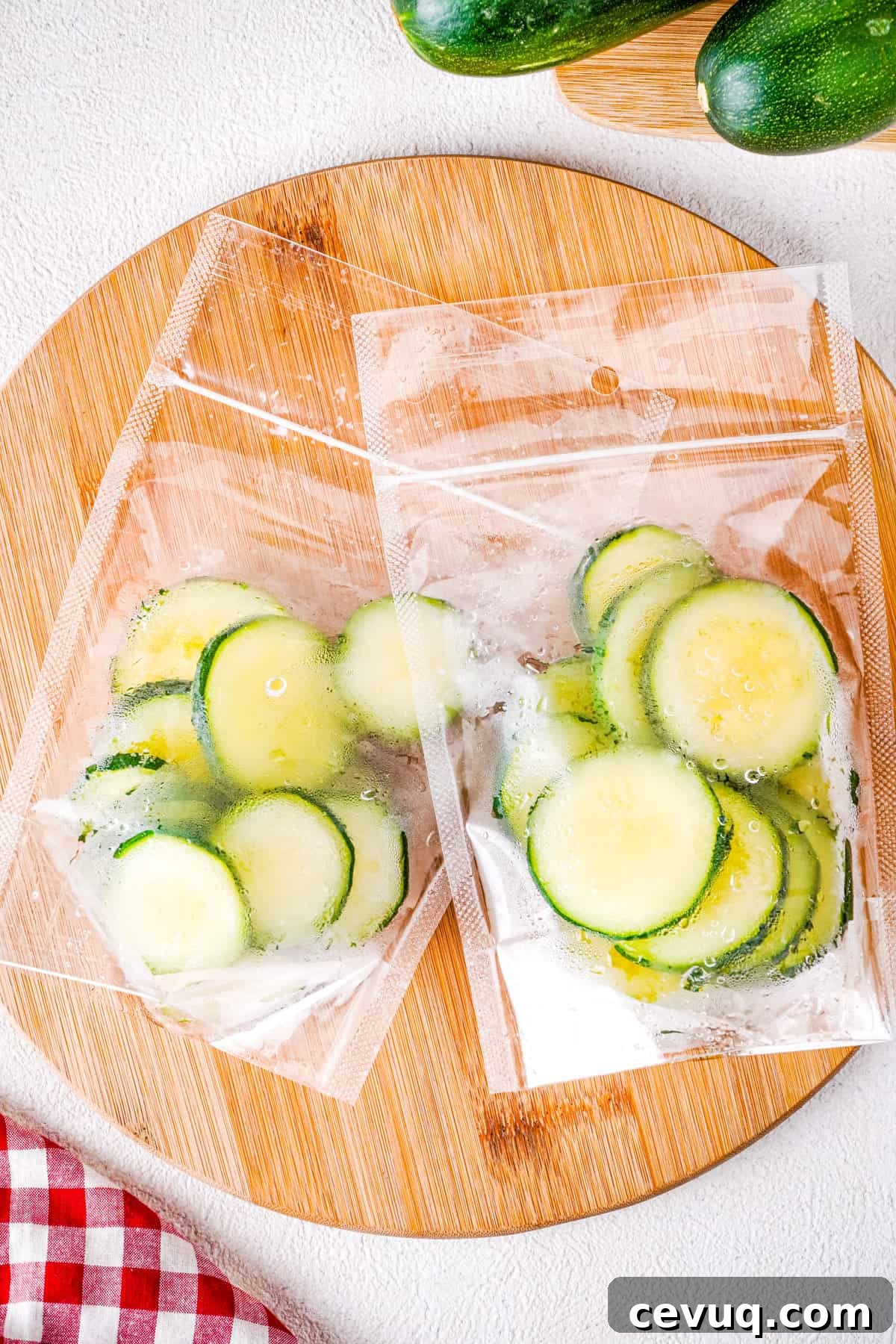
Once the slices are solid, transfer portions into freezer-safe bags or airtight containers. Remove as much air as possible, label with the date, and return to the freezer.
Portioning into meal-sized amounts makes it easy to grab what you need without thawing a large batch.
📖 Freeze grated or shredded zucchini (no blanching)
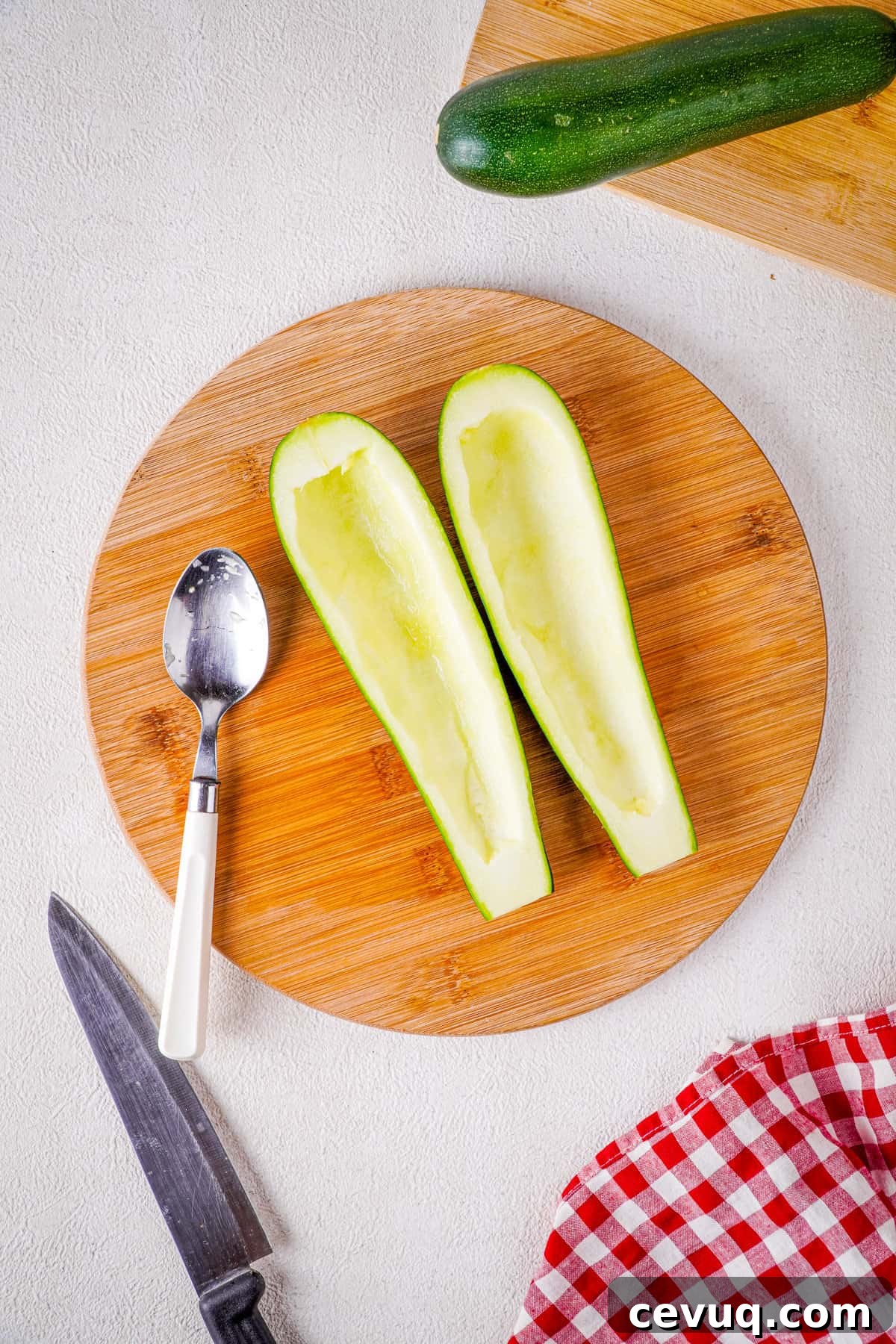
Grated zucchini freezes well for baking and smoothies and skips the blanching step. Rinse and dry the zucchini, trim ends, and if you’re using it for baking, halve it lengthwise and scoop out the seeds.
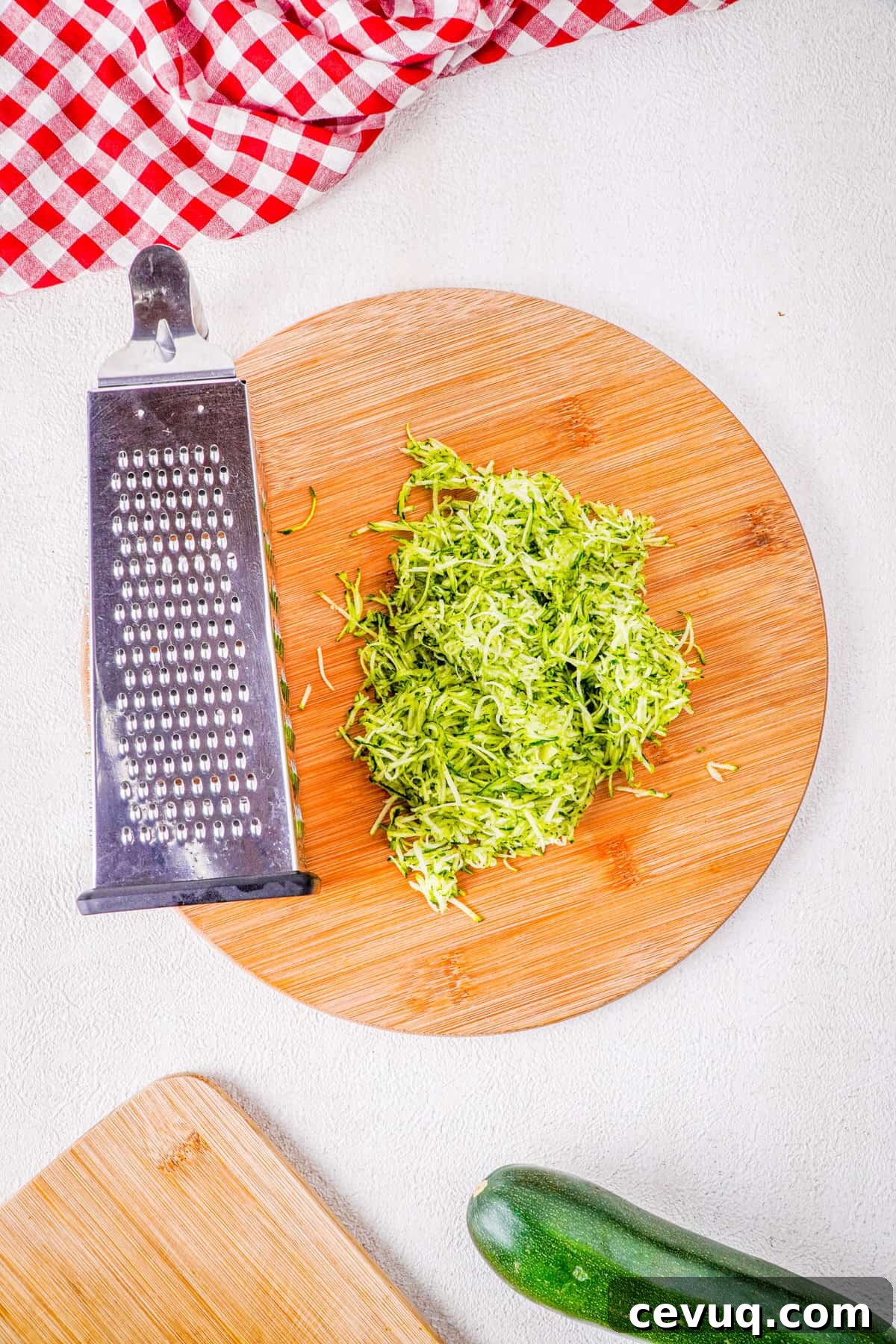
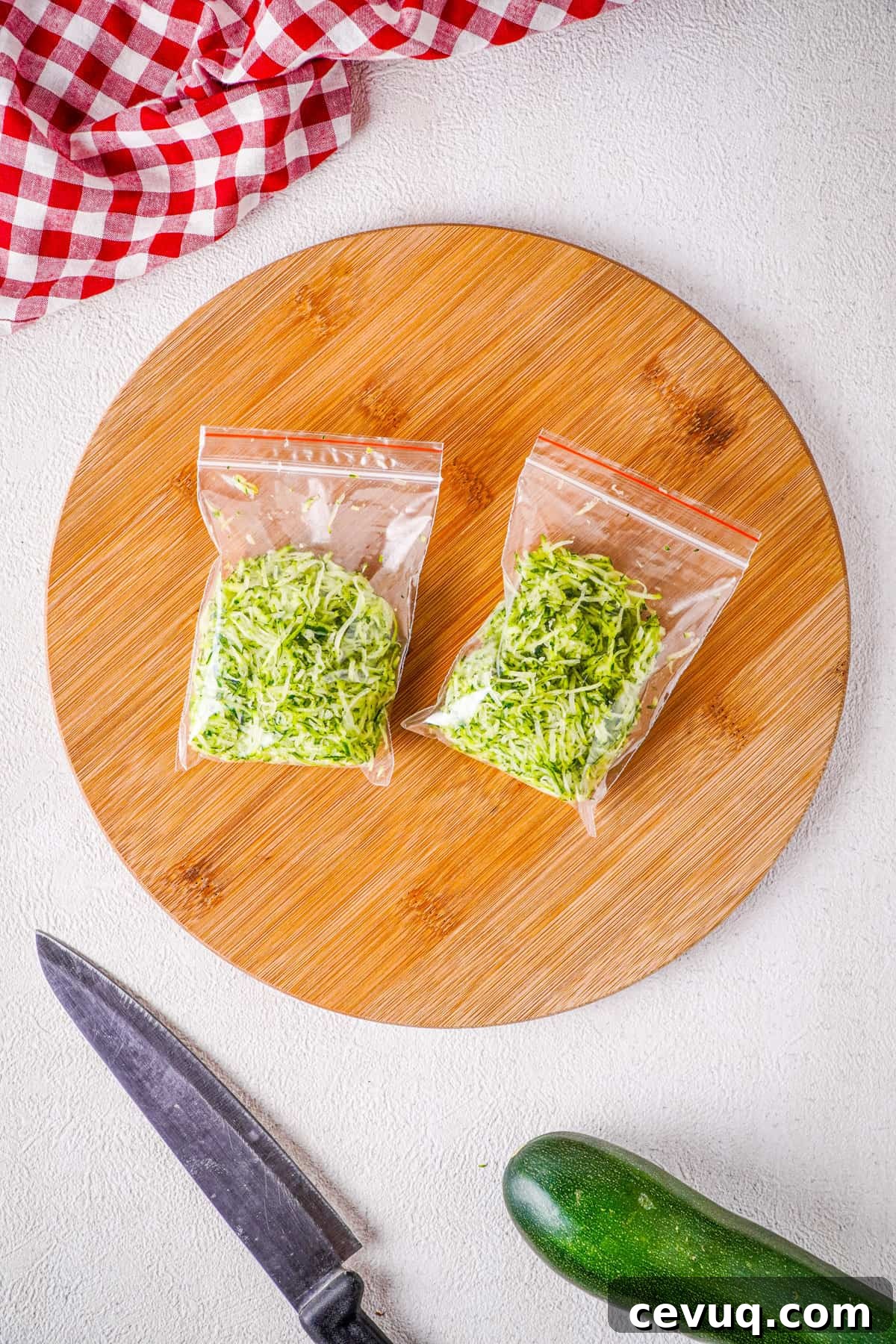
Grate with a box grater, then place the shredded zucchini into a clean kitchen towel and wring it over the sink to remove excess moisture. Removing water helps prevent sogginess in baked goods.
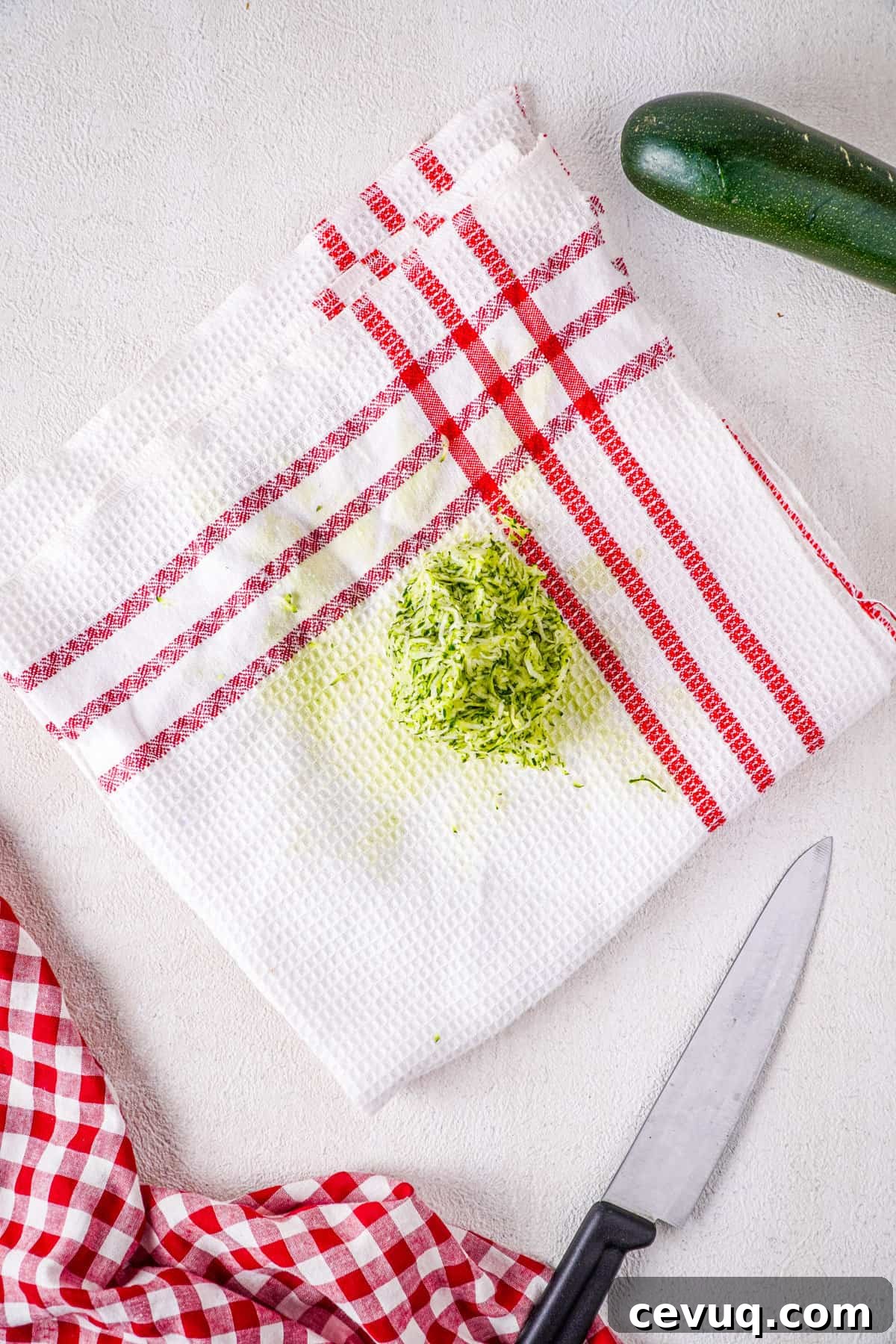
Divide the drained, grated zucchini into measured portions — one-cup portions work well for most recipes — and pack each portion into a labeled freezer-safe bag or container.
👩🏽🍳 Top tips and FAQs
These practical tips will help your frozen zucchini stay tasty and useful:
- Choose firm zucchini. Select medium zucchini (about 6–8″ long) with glossy, unblemished skin. Avoid soft or yellowing specimens.
- Dry well. Zucchini contains a lot of water; pat or wring out excess moisture before freezing to reduce ice crystals and sogginess.
- Blanch to preserve color. Blanching brightens and helps preserve color and texture. It’s optional for grated zucchini intended for baking.
- Flash-freeze slices. Freeze slices on a single-layer tray before bagging to keep them from clumping together.
- Leave room for expansion and label. Leave a small gap at the top of bags or containers for expansion, seal tightly, and add date and contents.
Troubleshooting FAQs
Choose zucchini about 6–8″ long with firm, dark green skin and no soft spots or blemishes.
For baking, thaw in the refrigerator overnight, then drain and pat dry to remove excess liquid. For soups, stews or sauces, you can usually add frozen zucchini directly to the pot.
Zucchini noodles and sheets tend to become very soft when frozen and thawed. Slices or grated zucchini usually give better results.
Yes. Slicing works well for many summer squashes; some varieties have less water and may not require blanching.
Yes—you can freeze without blanching. Thawed zucchini will be softer either way, but blanching helps retain color and texture slightly better.
For soups, stews and sauces, add frozen zucchini during cooking. For casseroles or baked dishes, thaw, drain and pat dry before using to avoid excess moisture.
🍴 How to store and use frozen zucchini
Storage: Frozen zucchini is best used within 3–6 months for optimal quality. It can remain safe longer, but texture and flavor decline after extended storage.
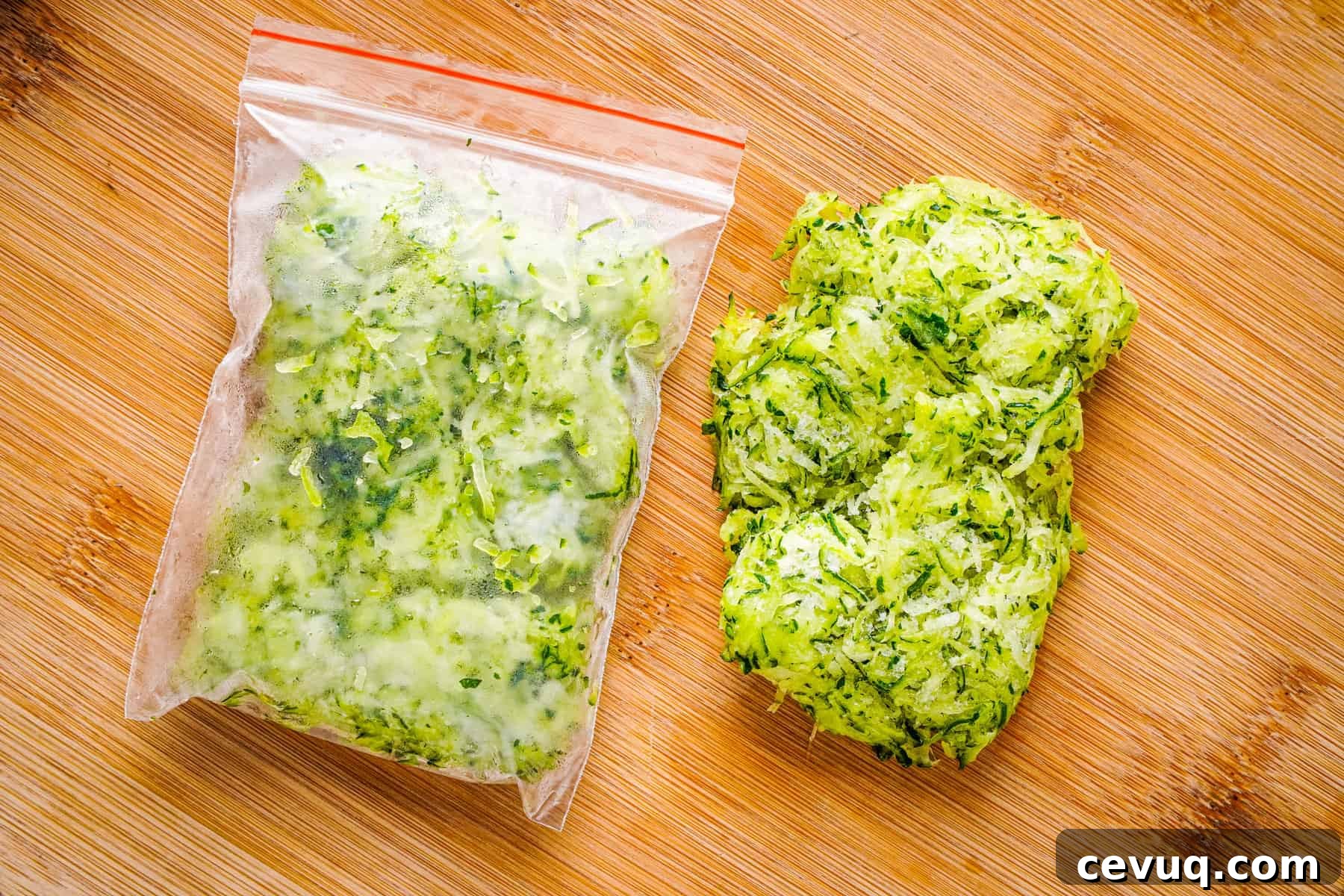
Because of its high water content, frozen zucchini is especially suited to soups, stews, casseroles, smoothies and baked goods rather than as a standalone sautéed side.
If you try this method, please leave a comment and rating — it helps others decide how to use their summer zucchini!
Frozen Zucchini
Ingredients
- 1 zucchini, medium sized
- 1 gallon water, optional, for blanching
Instructions
Freeze Zucchini Slices
- Clean and dry zucchini, trim ends, and slice into 1/4″ rounds. Blot slices dry with a towel.
- Blanch slices by boiling for about one minute, then plunge into an ice bath to stop cooking and preserve color.
- Arrange slices in a single layer on a lined baking sheet and flash-freeze for at least 1 hour to prevent sticking.
- Portion frozen slices into labeled freezer-safe bags or containers and seal tightly.
Freeze Grated Zucchini
- Clean and dry zucchini, trim ends, and if baking, halve and scoop out seeds.
- Grate using a box grater, then place grated zucchini in a towel and wring out excess moisture.
- Portion the drained grated zucchini (one-cup portions recommended) into individual freezer-safe bags or containers and freeze.
Notes
- You can cook frozen zucchini directly in soups or stews. For casseroles or baked recipes, thaw in the fridge overnight and drain excess liquid before using.
- Frozen zucchini keeps best for about 3–6 months. Quality declines and freezer burn becomes more likely after that.
Nutrition
Carbohydrates: 3 g |
Protein: 1 g |
Fat: 1 g |
Sodium: 8 mg |
Potassium: 256 mg |
Fiber: 1 g |
Sugar: 2 g
Nutrition information is an approximation.
Note: This post was originally published on July 5, 2021 and updated on May 30, 2023 with additional tips and photos.