
A quick disclaimer: this is not a guide to the latest manicure or pedicure trends. I’m not claiming expertise in nail art. What I do want to share is practical advice for caring for the hands and feet so they stay healthy, functional, and ready to support everything you do.
Our hands and feet are essential tools. They connect us to the world, help us care for others, and enable us to pursue our goals. Keeping them in good condition is both preventative and empowering. That starts, however, with basic daily habits.
Before you adopt any specific hand or foot care routine, remember that healthy skin and nails begin with lifestyle. These five habits form the foundation:
- Drink plenty of water.
- Eat a balanced diet with whole foods.
- Get enough sleep.
- Exercise regularly.
- Make time to relax and laugh.
Without these basics, topical treatments and beauty routines will have limited benefit. Also, pay attention to your individual skin. Everyone’s skin is unique—what helps one person may be unnecessary or harsh for another. Use your skin’s response as your guide rather than following any recommendation blindly.
Cleansing Hands and Feet
Cleansing hands
Clean hands are crucial for health, but how you wash matters. Avoid antibacterial soaps for routine handwashing; regular soap and water are effective and gentler on skin. Also, resist using excessively hot water. Very hot water can burn and strips natural oils from the skin, making hands dry and more prone to damage. Use comfortably warm water, and raise the temperature only if hands are particularly greasy.
Cleansing feet
A simple, warm foot soak can be surprisingly restorative. Fill a basin with comfortably warm water and a mild liquid soap, then let your feet soak for a few minutes. This softens skin, loosens dirt, and prepares feet for exfoliation or treatment. Take the time to enjoy the sensation—your feet will benefit from the brief pause.
Exfoliating Hands and Feet
Exfoliation removes excess dead skin, which is important because dead skin loses elasticity. When it sits on top of living tissue, it can restrict movement and eventually crack. Regular, gentle exfoliation frees the underlying skin to flex and stay healthy.
Hands often need more exfoliation in winter when indoor heating and cold air dry the skin. Feet typically need more attention in summer when sandals and outdoor exposure create rougher, thicker skin. Adjust frequency and intensity of exfoliation by season and by how your skin responds.
Common scrubs use granular ingredients like sugar, salt, or finely ground coffee. Facial skin is more delicate and requires different products, so reserve these scrubs for hands and feet.
What to use for exfoliation
Homemade scrubs let you control texture and ingredients. Choose a liquid base and a granular exfoliant to suit your needs.
Base options: A mild liquid soap works well if you want to cleanse and exfoliate simultaneously—useful in the morning. Virgin coconut oil is excellent if you prefer to exfoliate and moisturize at once, especially before bed when the oil can absorb deeply overnight.
Exfoliant options: Grain size determines intensity. For sensitive skin use fine options like baking soda or superfine sugar. For tougher skin, coarser options like raw sugar or coarse sea salt are appropriate. Coffee grounds offer a middle-ground texture. If you use Epsom salt, combine it with oil rather than soap to avoid scum.
For hands, brown or white sugar is a gentle, effective choice. For feet, coarser sugar or salt can be better at tackling thicker build-up. You can customize scrubs with natural additives like citrus zest, ground spices, or a few drops of essential oil if your skin tolerates fragrance.
How to exfoliate hands and feet
Exfoliate while skin is softened by water—after a shower, bath, or foot soak. For hands, rub the scrub over all surfaces, paying attention to knuckles, the webbing between fingers, and areas that feel rough. For feet, use a foot scrubber or file to avoid overworking your hands; focus on heels, balls of the feet, and toes where dead skin accumulates.
Rinse thoroughly and gently pat dry. Follow with a moisturizer and consider wearing socks or gloves overnight for an intensive treatment.
Callus Care
Calluses are areas of thickened skin often caused by repeated pressure or friction. Not all calluses require removal, but if they are painful, cracked, or bothersome, reduce them carefully. Soak the feet to soften the skin, then use a pumice stone or foot file to gently reduce thickness—avoid removing living skin. For very thick calluses, persistent pain, or calluses at the tip of a toe, consult a podiatrist.
Moisturizing Hands & Feet
Moisturizers generally fall into three categories:
- Occlusives: create a barrier to lock in moisture (e.g., waxes and heavier oils).
- Humectants: draw water into the skin (e.g., glycerin, honey).
- Emollients: replace skin lipids and soften skin (e.g., jojoba, hemp seed, sunflower oils).
Choose a formula based on your skin’s needs. Occlusives are useful for repair and protection, but may feel too heavy for daytime use on hands. If you have sensitive skin, opt for unscented options or avoid products labeled simply as “fragrance,” which can cause irritation.
Daily moisture
Apply moisturizer shortly after bathing to lock in hydration while the skin is still warm and more receptive. This simple timing increases effectiveness and helps maintain suppleness throughout the day.
Deep moisture
For an intensive overnight treatment:
- Exfoliate clean hands and feet.
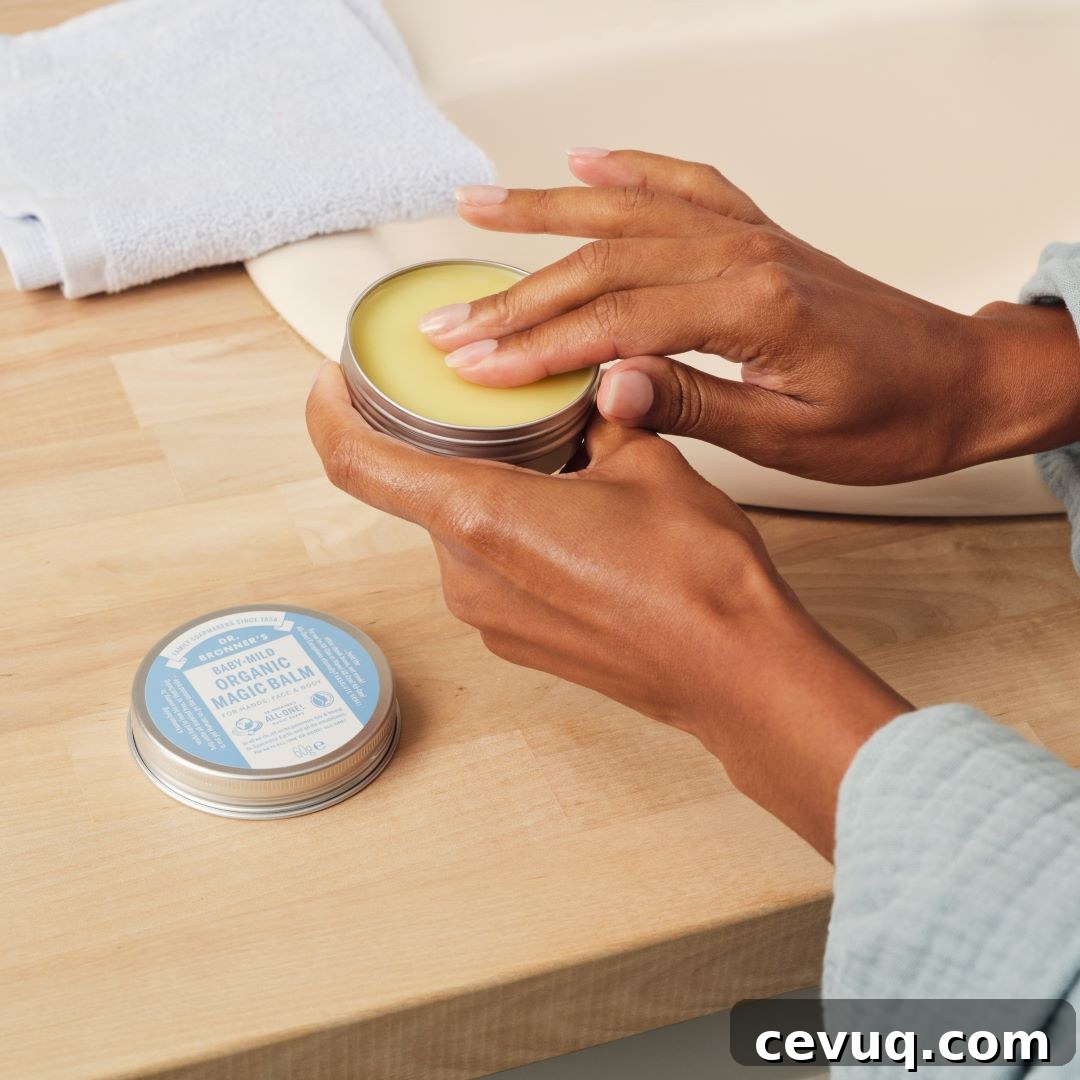
- Apply a thick balm or ointment over nails, cuticles, and skin.
- Wear socks and gloves to bed to enhance absorption.
In the morning your skin will feel significantly softer. If dryness is unresponsive to moisturizers, persistent flaking, or discomfort, check with a medical professional to rule out underlying conditions like fungal infections.
Nail Care
Treat nails as part of your skin care, not as tools. Using nails to pry or open things risks chipping or breaking. Gentle care preserves nail strength and appearance.
Nail length
Fingernail length is mostly personal preference; if your nails break easily, a squared shape with slightly rounded edges is usually stronger. Toenail length matters more: nails extending past the toe tip can be injured, thicken, or become ingrown. Cut toenails straight across and avoid cutting too deep at the corners; shorter is fine but avoid exposing sensitive skin. If toenails are tough, soak them in warm salt water to soften before trimming.
Nourishing nails
A thick overnight treatment applied to nails and cuticles can strengthen brittle nails and soften cuticles. Apply a generous layer of a thick balm, wear gloves and socks overnight, then gently push back softened cuticles in the morning with a wooden stick. Follow with daily moisturizer to maintain results.
Cuticle care
Cuticles protect the nail matrix and should be nourished rather than aggressively removed. Soften cuticles with oil or balm, then gently push them back with an orange stick. Trimming cuticles can expose live skin and increase infection risk; avoid trimming, especially if you have diabetes or vascular disease, and consult a professional when necessary.
Giving nails a shine
For a simple, healthy-looking finish, rub a light coating of coconut oil into nails and buff with a nail buffer. This adds shine and helps lock in moisture without polish.
Other Healthy Foot Tips
Keeping feet dry
Excess moisture can cause blisters, odor, and fungal infections. Change out of sweaty socks after exercise, allow shoes to dry between wears, and consider moisture-wicking socks or an absorbent powder if feet stay damp. To help shoes dry, loosen laces, store them where air can circulate, and shake out any excess powder before wearing.
For mild shoe odor, a light spritz of a sanitizing solution inside the shoe can reduce bacteria and refresh the scent; allow shoes to dry fully before wearing again.
Shoe considerations
Wear properly fitted shoes. Sizing varies between brands, so try on new styles and choose what fits your foot well. For athletic shoes, consider a slightly larger size than your street shoes to accommodate foot movement and mild swelling during activity.
Seeking Additional Help
If you have persistent pain, wounds that won’t heal, thick calluses, or recurring ingrown nails, seek professional care. People with diabetes, circulatory problems, or other chronic conditions should consult regularly with a medical professional about foot health. Preventative care and timely treatment help keep hands and feet healthy for a lifetime.
Product index
- Unscented Organic Magic Balm (balm or thick ointment for overnight treatments)
- Organic Lip Balm (thick balm for nail and cuticle slugging)
- Castile Liquid Soap (mild liquid soap for cleansing and scrub bases)
- Virgin Coconut Oil (moisturizing base for scrubs and treatments)
- Organic Hand Sanitizer (for occasional use when soap and water are unavailable)
Tool index
- Pumice stone, foot file, or foot rasp for callus management
- Orange wood nail care stick
- Nail clippers
- Nail buffer block
- Sugar or salt for homemade scrubs
- Gloves for overnight treatments
- Socks for overnight moisturizing treatments
Further reading
- 5 Life Habits for Healthy Skin
- My Bathroom Cabinet
- Magic Balms Usage Cheat Sheet
- Winter Skin Remedies
Note: peppermint-scented products may be too strong for very young children; use milder options for toddlers and infants.