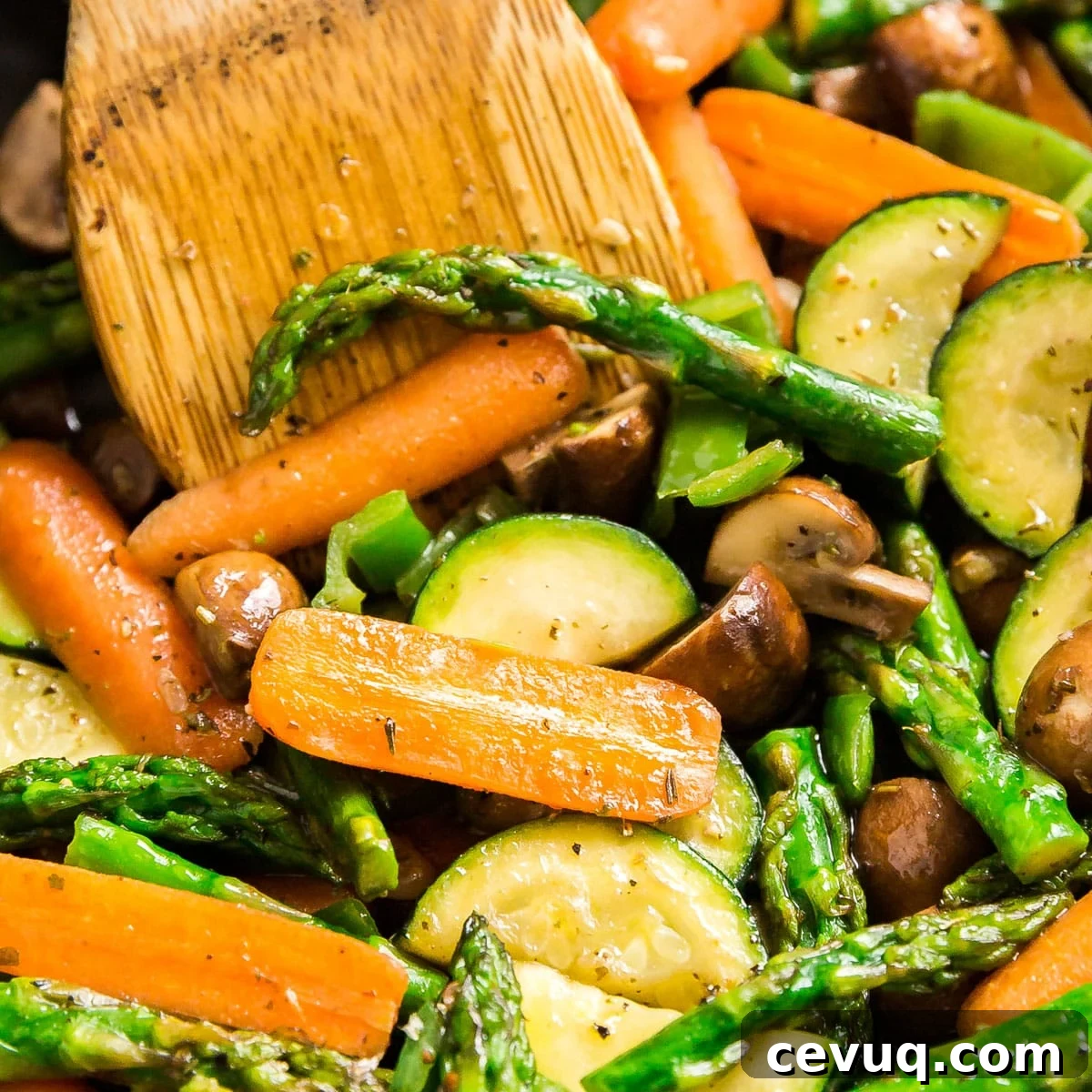
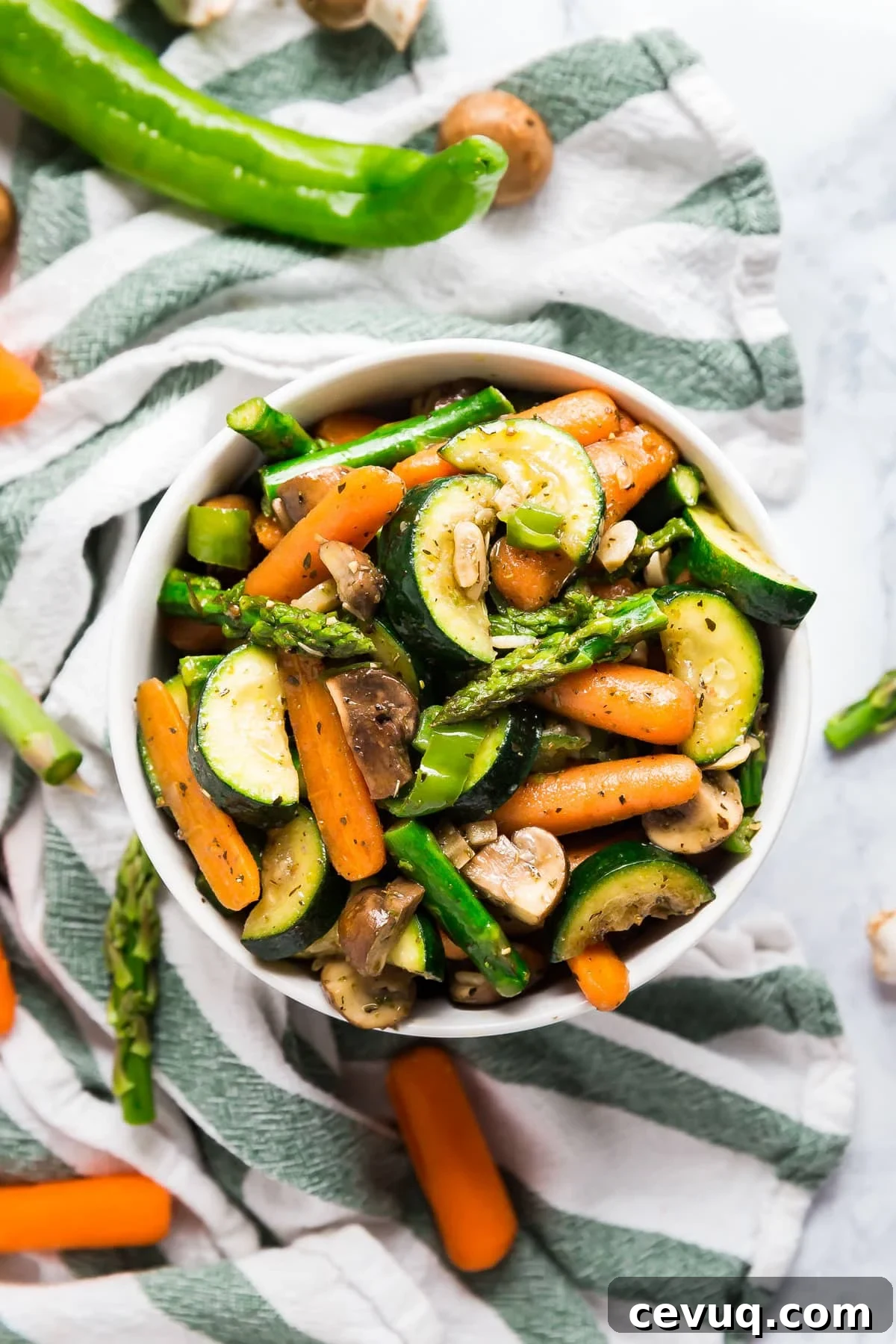
Meet your new go-to side dish: Easy Sautéed Vegetables! This flavorful sauté comes together quickly and can be made with whatever vegetables you have on hand — perfect for picky eaters.
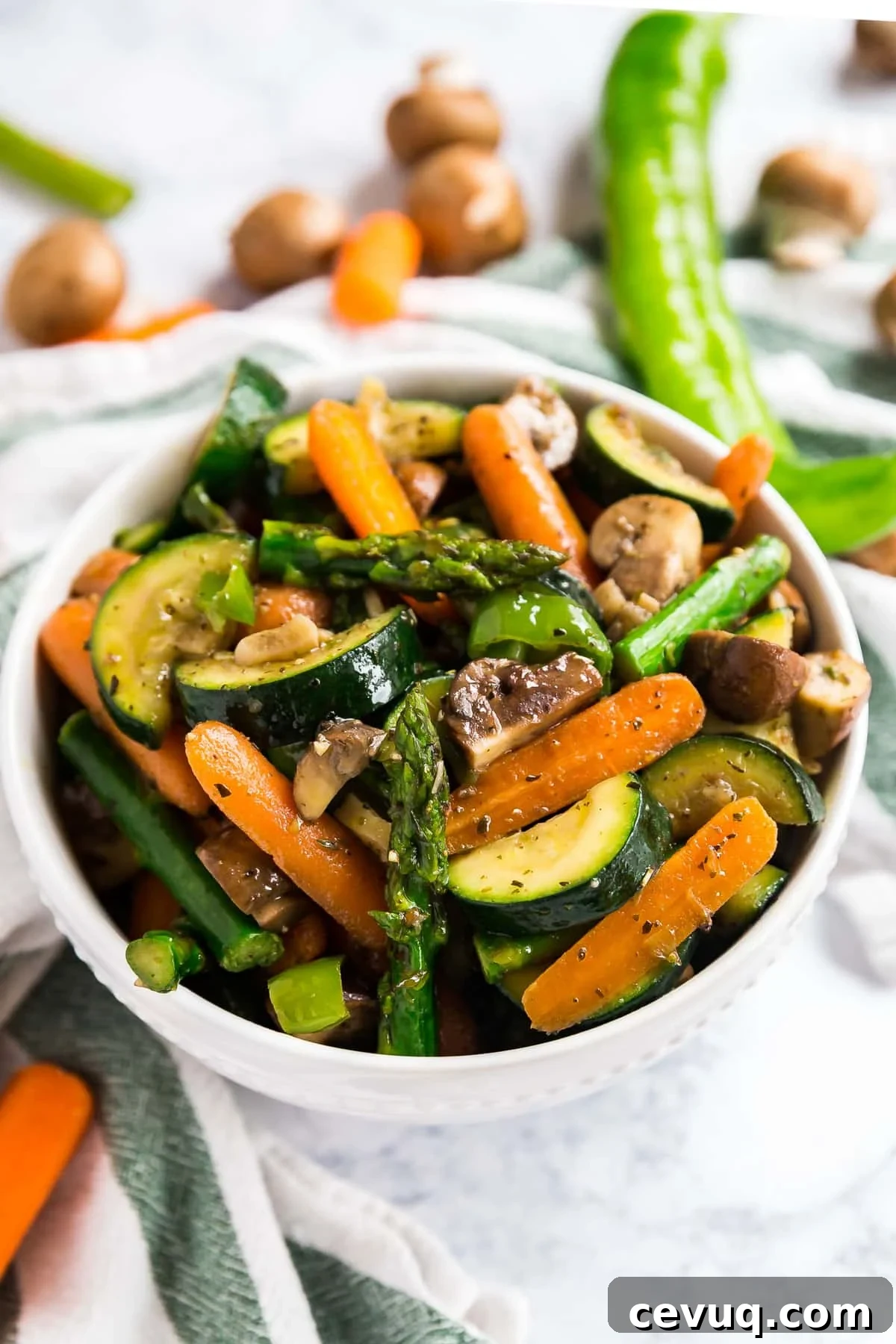
Why You’ll Love These Sautéed Mixed Vegetables
I recently tasted a batch of vegetables my mom sautéed and they were so good I had to share. If you want an easy, reliable vegetable side that’s full of flavor and flexible enough to use whatever produce is in your fridge, this is it. I’ve shared other favorites like garlic sautéed asparagus, sautéed kale with mushrooms and tomatoes, and garlic green beans, and this mixed vegetable sauté fits right in as a simple, weeknight-friendly option.
This sauté produces tender, flavorful vegetables with minimal fuss. It’s also a smart way to reduce food waste by using up odds and ends in the crisper drawer.
- Made with simple, wholesome ingredients
- Highly customizable — swap in your favorite vegetables
- Ready in about 35 minutes
- Family-friendly
- Very easy to prepare
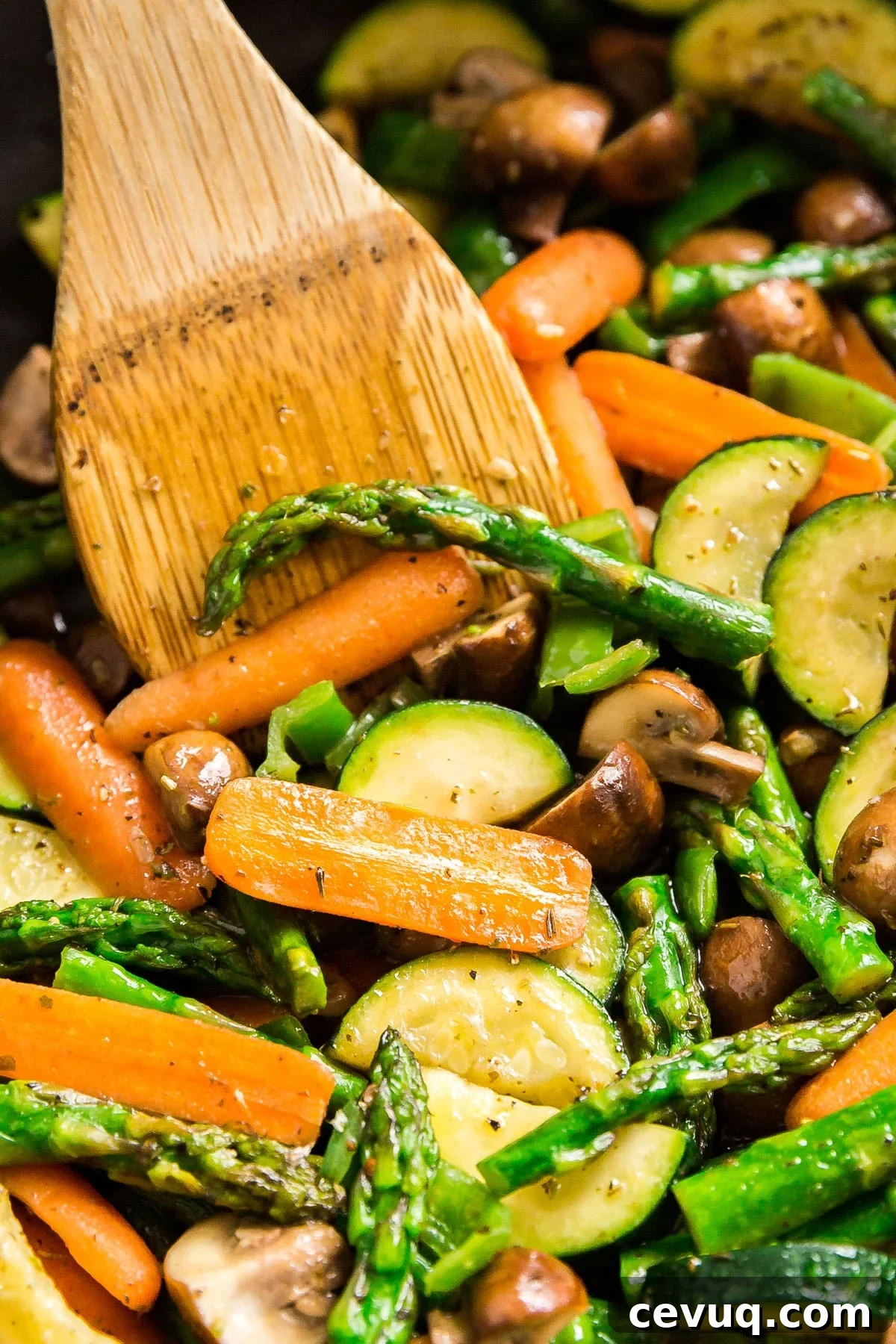
Ingredient Information and Substitutions
- Olive oil — a great choice for flavor and browning. Avocado or grapeseed oil also work well.
- Garlic cloves — sliced garlic gives savory depth. You can substitute onion if preferred.
- Baby carrots — convenient and tender; use whole carrots if you prefer and adjust cooking time.
- Asparagus — cooks quickly and becomes tender when sautéed; trim woody ends first.
- Zucchini — adds color and moisture; summer squash is a good alternative.
- Mushrooms — earthy and tender when cooked; use your favorite variety.
- Anaheim peppers — mildly sweet with a touch of smoke; bell peppers or poblanos are good swaps.
- Seasonings — kosher salt, black pepper, and Italian seasoning keep the flavors simple; adjust to taste.
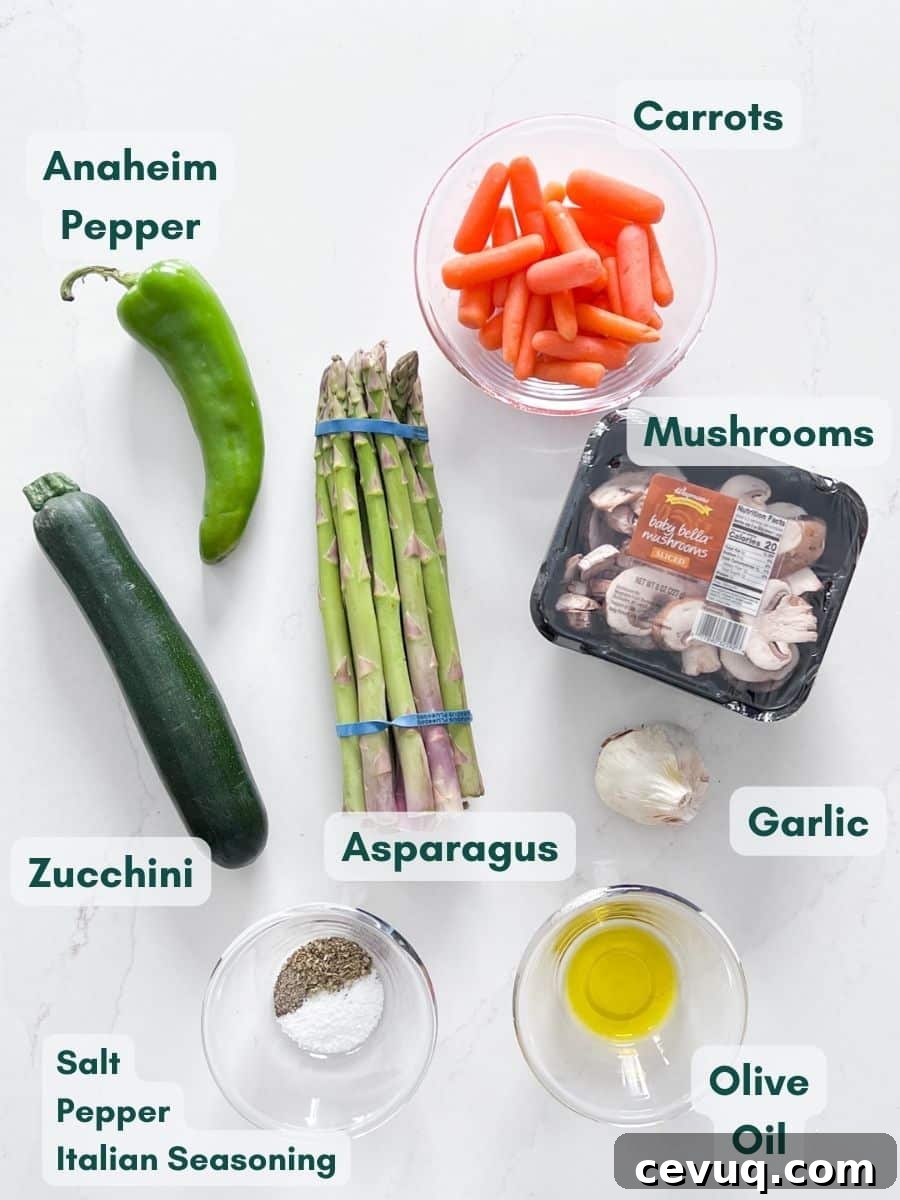
How To Sauté Vegetables
Bottom line: The method is what makes this recipe flexible. Add vegetables to the pan in order of how long they take to cook so everything finishes evenly. Root vegetables like carrots or potatoes go in first; delicate items like mushrooms or thin-skinned peppers go in last.
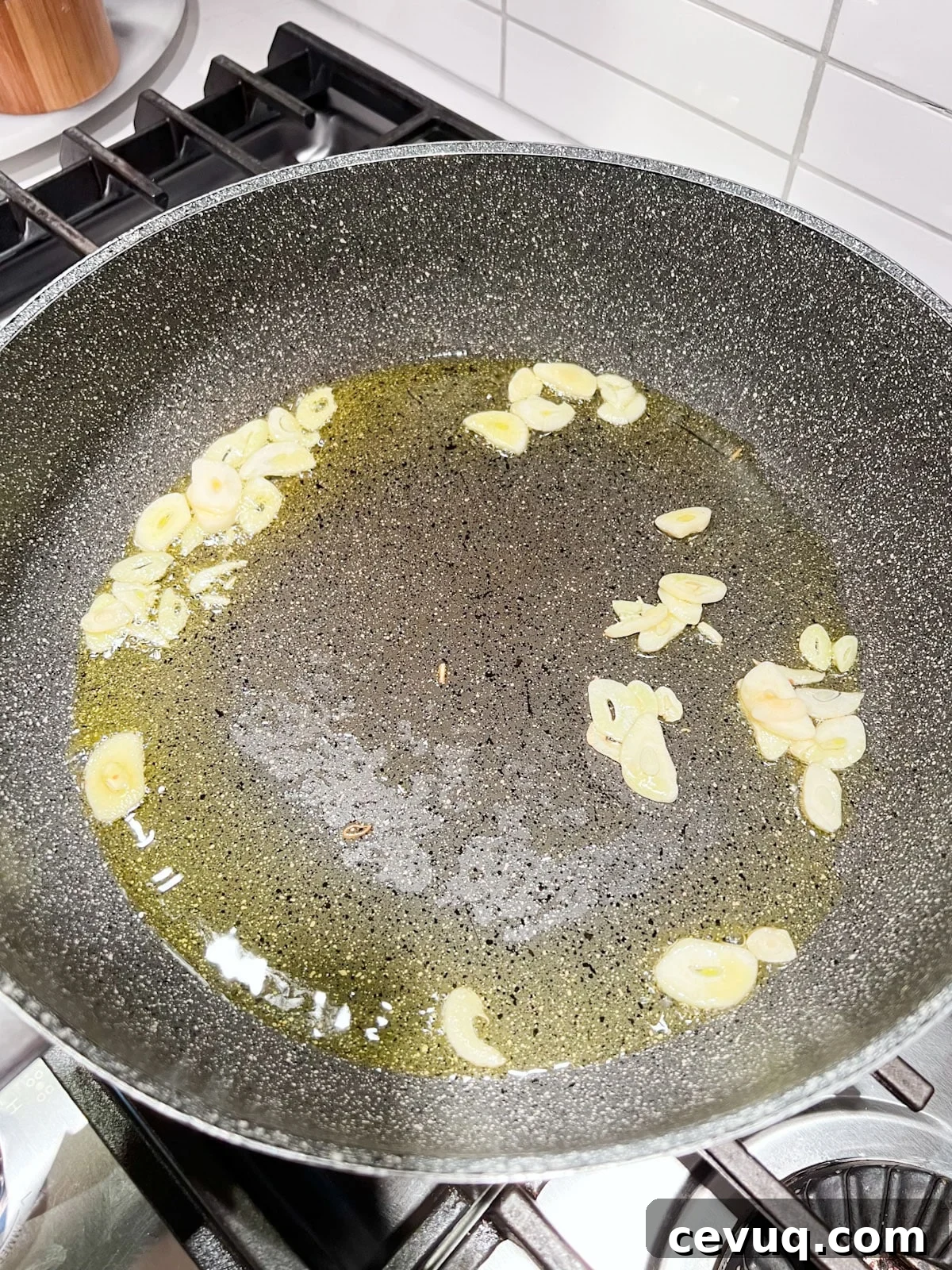
Step 1: Heat 2 tablespoons of oil in a large sauté pan over medium heat until it shimmers. Add the sliced garlic and cook for 3–4 minutes, stirring frequently so it doesn’t burn.
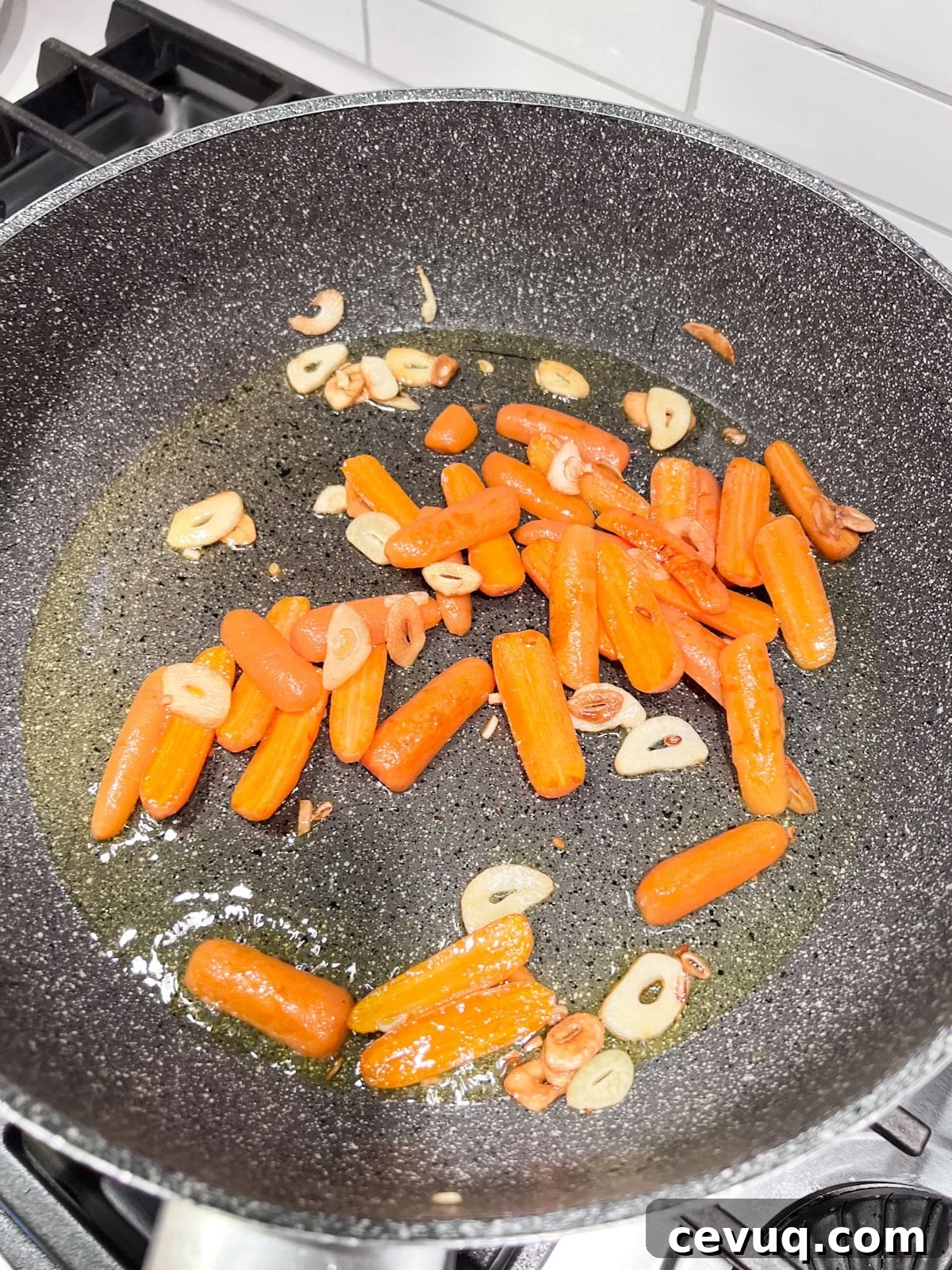
Step 2: Add the carrots and cook for about 4 minutes, stirring often so they begin to soften.
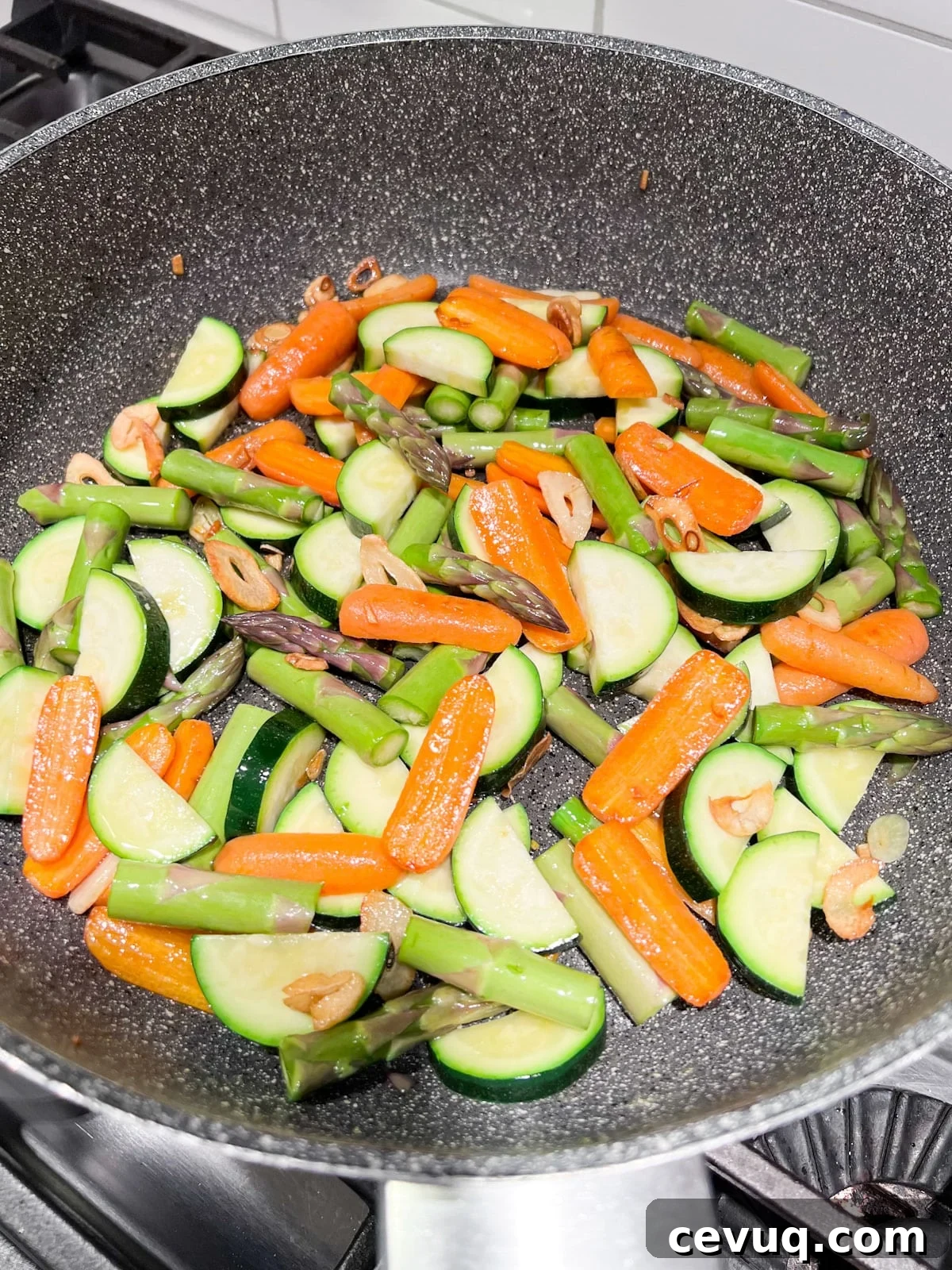
Step 3: Add the asparagus and zucchini. Lower the heat slightly below medium and sauté for 5 minutes, stirring frequently so they cook evenly.
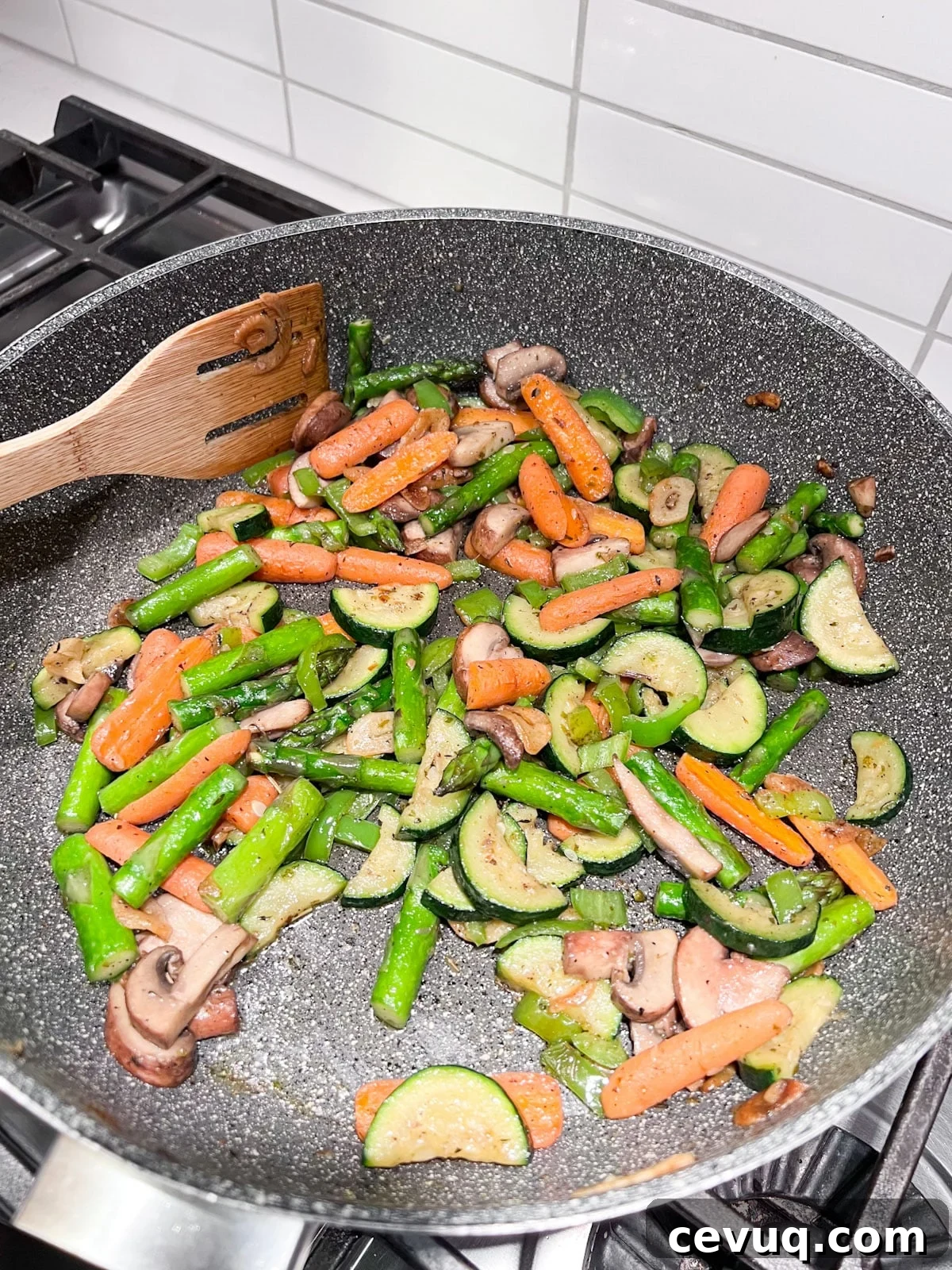
Step 4: Add the mushrooms and Anaheim peppers, then season with kosher salt, black pepper, and Italian seasoning. Continue sautéing for about 10 more minutes, stirring often, until all vegetables are cooked through but still have some bite. Serve immediately.
Frequently Asked Questions
Most vegetables sauté well as long as you account for their cooking times. Start with those that take longest and add quicker-cooking items later.
Yes. Frozen vegetables are often blanched, so they may cook faster; consider thawing briefly and adjust timing so they don’t overcook.
Sautéing means cooking in a small amount of fat over relatively high heat while stirring frequently to prevent sticking and promote even browning.
This recipe uses about 2 tablespoons of oil. Adjust according to the amount of vegetables and pan size.
Start with garlic, then carrots (or other root vegetables), followed by medium-cooking veggies like asparagus and zucchini, and finish with mushrooms and thin-skinned peppers.
They’re similar techniques; traditionally stir-frying is done in a wok while sautéing uses a sauté pan, but the terms are often used interchangeably.
Avoid sogginess by adding vegetables in stages according to cooking time, using enough heat to sear while stirring frequently, and avoiding overcrowding the pan.
Tips For Making Sautéed Mixed Vegetables
- Heat the oil first: Make sure the oil is shimmering before adding ingredients for good browning.
- Watch the garlic: Don’t let it burn — burnt garlic tastes bitter. Stir frequently and lower heat if needed.
- Cut vegetables uniformly: Pieces of similar size cook more evenly.
- Mix and match veggies: The listed vegetables are suggestions — use what you have.
- Manage cooking times: Add root vegetables first, then mid-density vegetables, and delicate items last.
- Season at the end: Season after the final additions so the flavor distributes evenly.
- Prep ahead: Wash, trim, and cut all veggies before you start to keep the cooking process smooth.
- Storage: Leftovers keep covered in the fridge for up to 4 days; best eaten fresh but still tasty reheated.
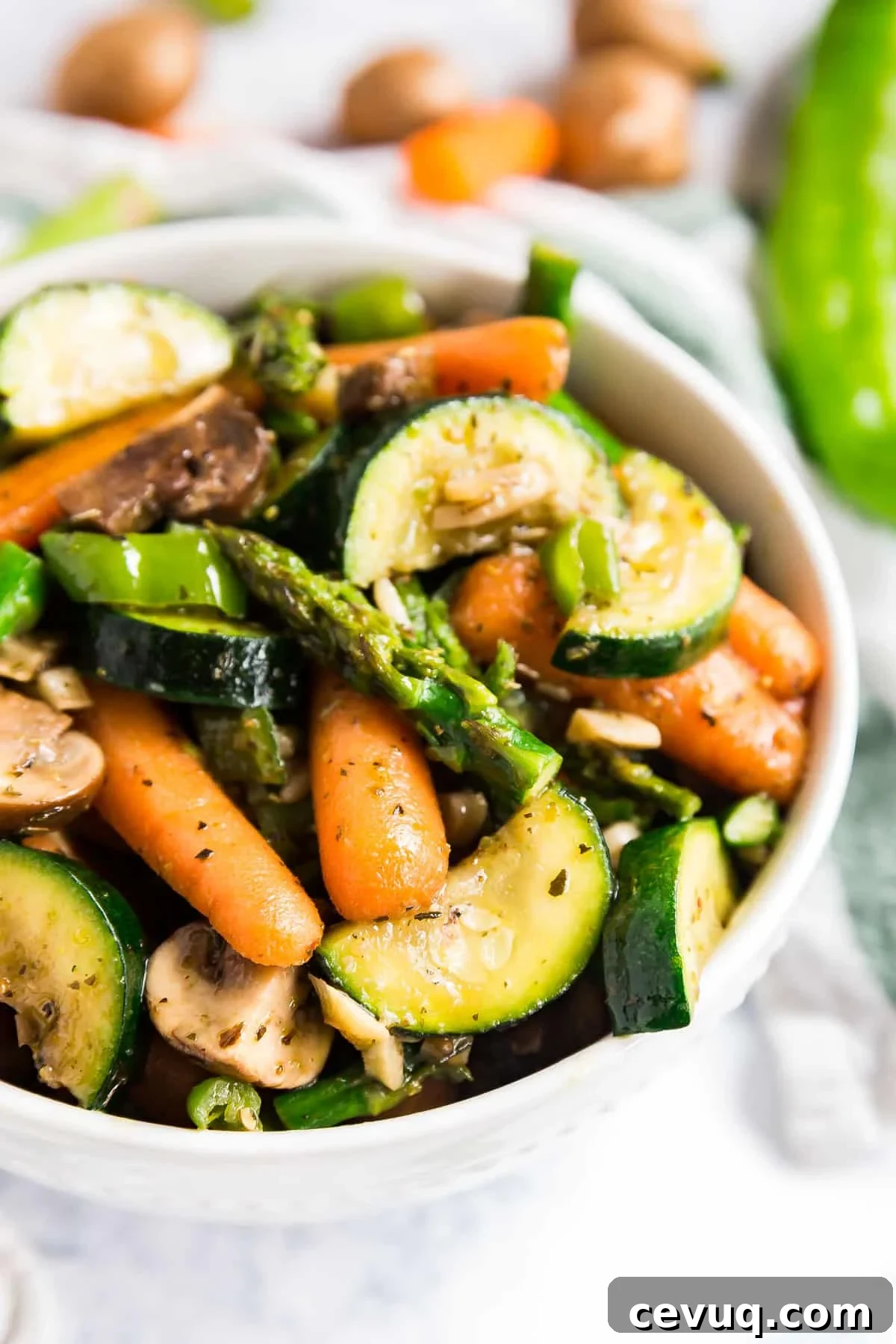
What To Serve With Pan-Fried Vegetables
These sautéed vegetables pair well with hearty main dishes and simple sides. Try them alongside roasted or braised meats, mashed potatoes, or a light salad to round out the meal.
Other Dishes Featuring Mixed Vegetables
-
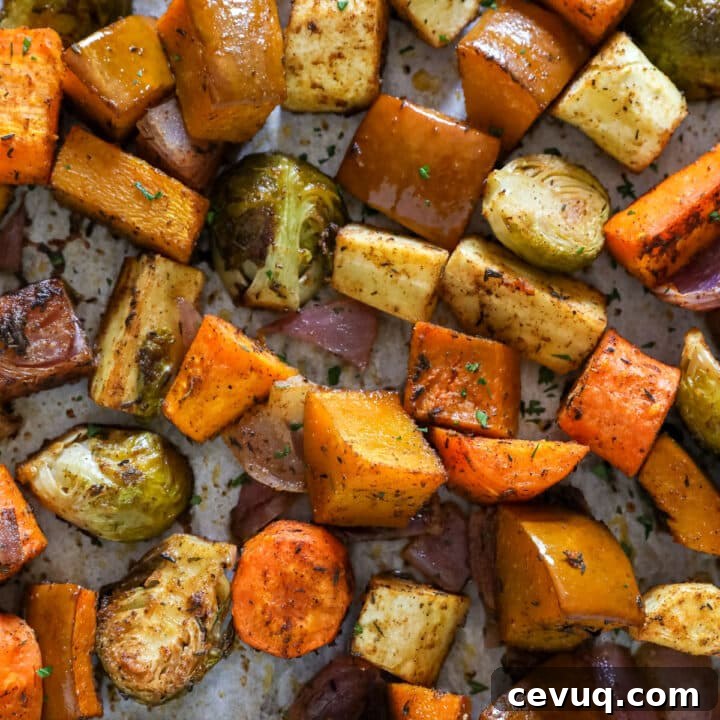
Roasted Fall Vegetables
-
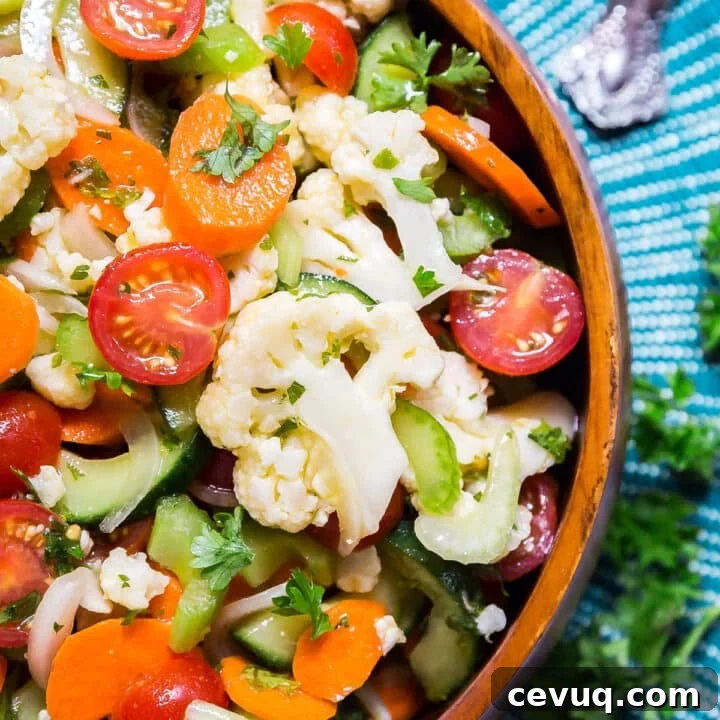
Marinated Vegetable Salad
-
Roasted Vegetable Flatbread
-
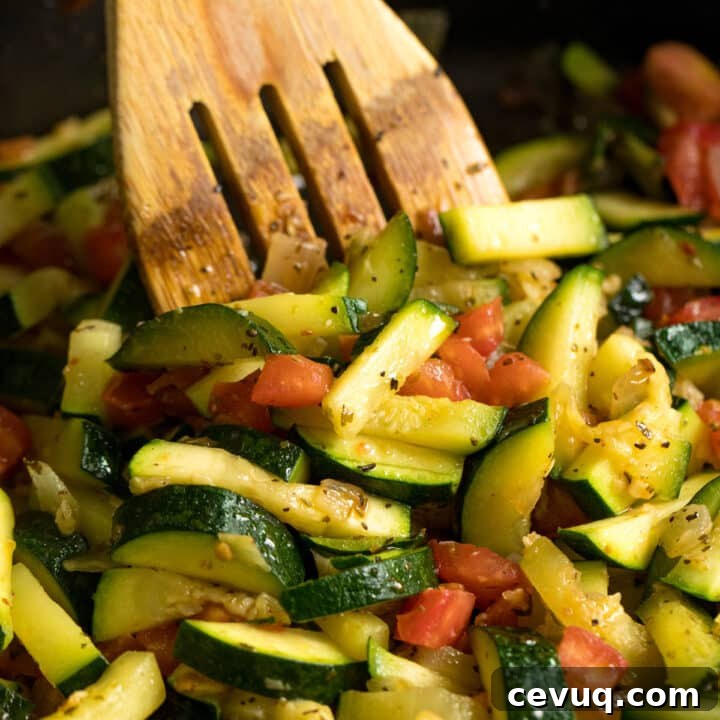
Sautéed Zucchini And Tomatoes

Hosting Thanksgiving?
Take the stress out of hosting with simple, smart planning. Prep ahead and use reliable recipes to make the day easier.
If you enjoy this recipe, please leave a rating or a comment. Follow the author on social channels for more recipes and tips.
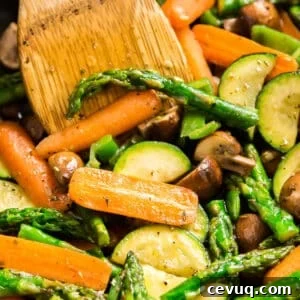
Easy Sautéed Vegetables
Equipment
- Saute pan
- Wooden spoon
- Cutting board
- Chef’s knife
- Measuring cups and spoons
Ingredients
- 2 Tablespoons olive oil
- 2 large garlic cloves, thinly sliced
- 1 cup baby carrots, halved lengthwise
- 1 cup asparagus, trimmed and cut into thirds
- 1 cup sliced zucchini
- 1 cup quartered mushrooms
- 2 Anaheim peppers, seeded and sliced
- 1 teaspoon kosher salt
- ¼ teaspoon ground black pepper
- ½ teaspoon Italian seasoning
Instructions
- Heat oil in a large sauté pan over medium heat until shimmering.
- Add sliced garlic and sauté 3–4 minutes, stirring often. Do not let it burn.
- Add carrots and cook for 4 minutes, stirring frequently.
- Add asparagus and zucchini, reduce heat slightly, and sauté 5 minutes, stirring often.
- Add mushrooms and Anaheim peppers, season with salt, pepper, and Italian seasoning.
- Sauté for about 10 more minutes, stirring often, until vegetables are tender. Serve immediately.
Notes
- Heat oil before adding ingredients for better browning.
- Watch garlic closely to avoid burning.
- Cut vegetables to similar sizes for even cooking.
- Swap vegetables freely — the technique is what matters.
- Season after adding the final vegetables to ensure even seasoning.
- Prep ingredients ahead to streamline cooking.
- Store leftovers covered in the fridge for up to 4 days.