
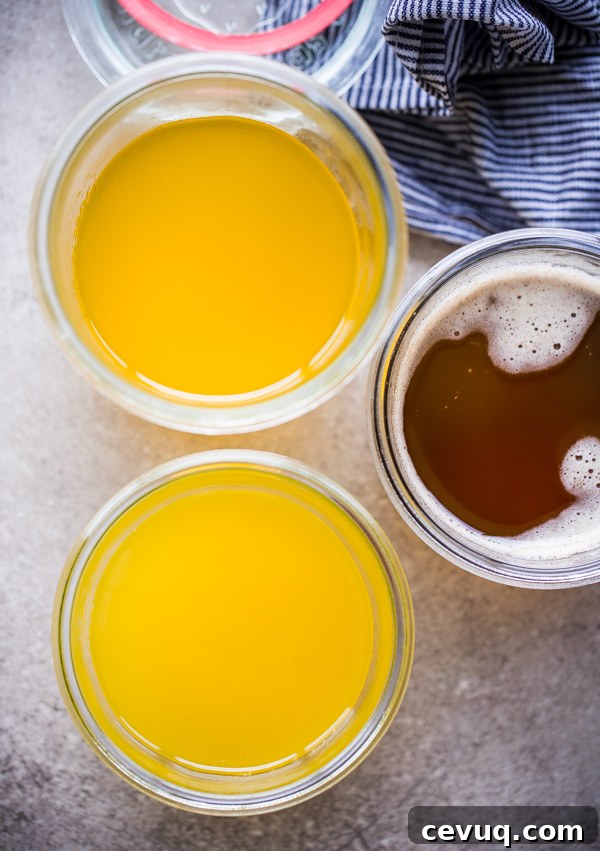
A comprehensive guide to making clarified butter, ghee, and brown butter — and the differences between them.
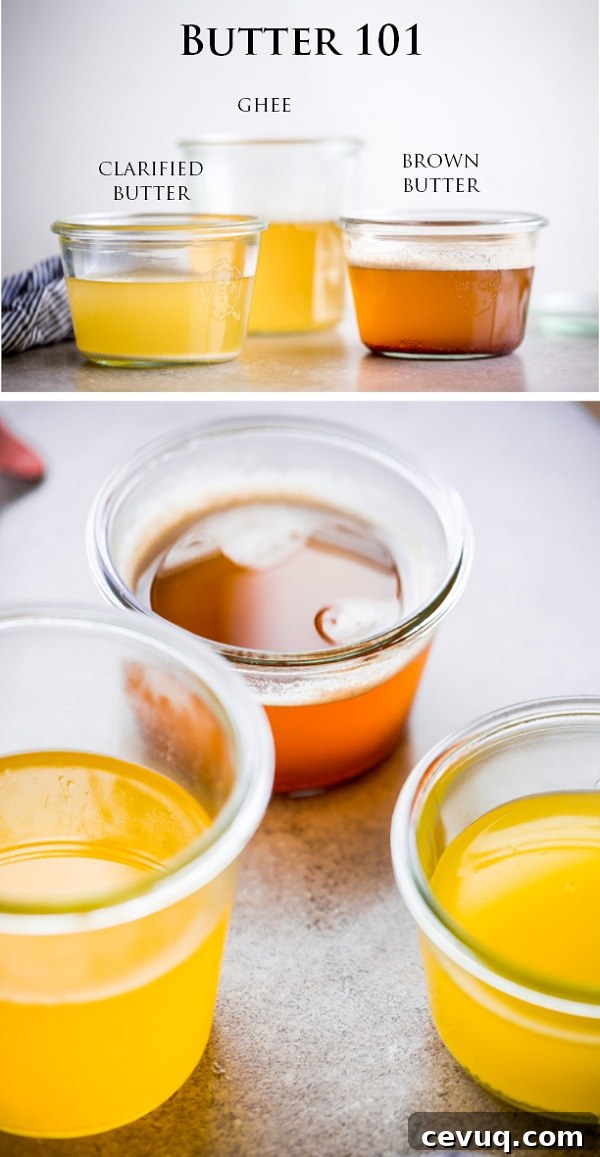
Let’s talk about butter — clarified butter, ghee, and brown butter. Each version has its place in the kitchen, from high-heat cooking to bakery magic. Below is a clear, practical explanation of what each is, why you might choose one over the other, and how to make them at home.
Clarified Butter
Clarified butter is essentially pure butterfat: the water and milk solids have been removed, leaving a clear, golden fat that behaves very differently from whole butter. Many people associate clarified butter with dipping lobster or making hollandaise, but its uses go far beyond that.
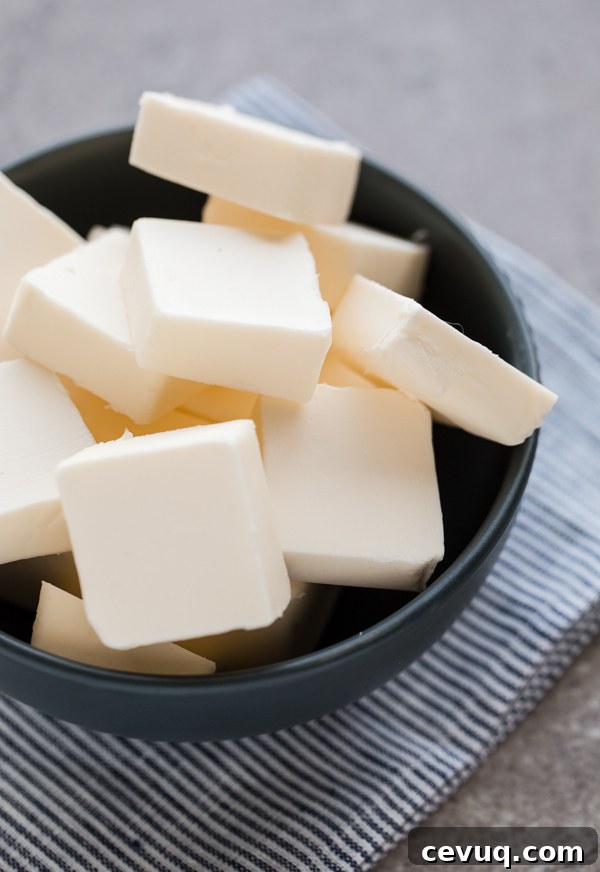
Butter is composed of three parts: butterfat, milk solids, and water. Most common American butters are about 80% butterfat, 16–18% water, and 1–2% milk solids. European-style butters are often higher in butterfat (82% or more), which benefits baking and flavor. Clarified butter removes the milk solids and water, leaving only butterfat, which raises the smoke point and extends the fat’s cooking range.
Why Use Clarified Butter for Cooking?
Milk solids in whole butter burn at relatively low temperatures, which limits its use for high-heat cooking. Straight-from-the-fridge butter smokes around 350ºF (176ºC), one of the lower smoke points among cooking fats. Clarified butter, freed from milk solids, has a smoke point near 450ºF, making it suitable for searing, sautéing, and stir-frying while retaining rich buttery flavor.
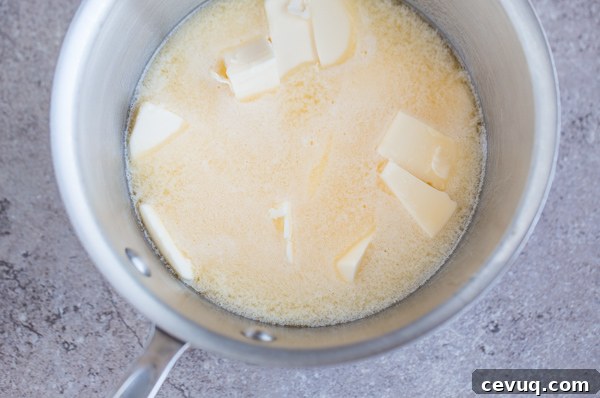
Clarified butter’s smoke point exceeds that of many common fats, including extra virgin olive oil, canola, and grapeseed oil. Only a few refined oils like safflower, rice bran, and refined olive oil have higher smoke points. Because clarified butter stores well in the refrigerator (at least a month, often longer), it’s handy to make in larger batches.
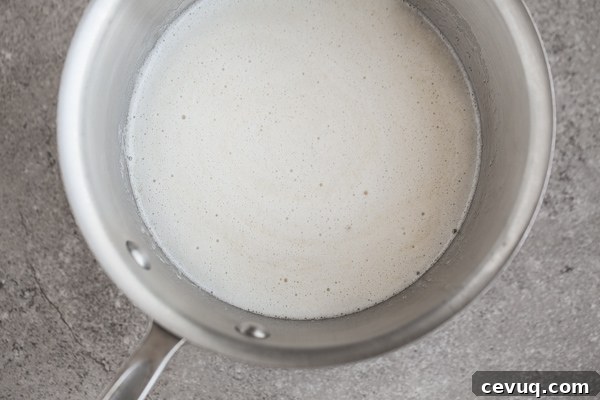
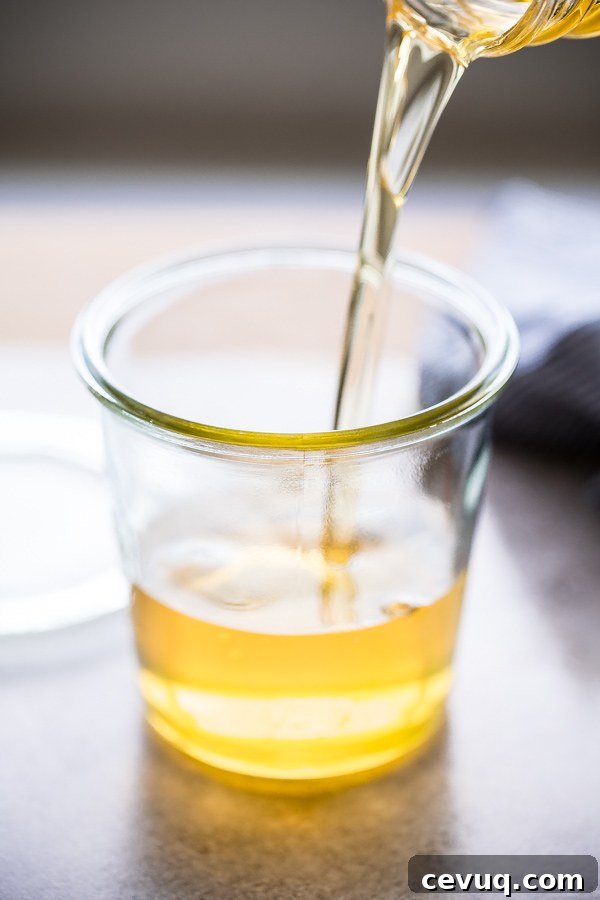
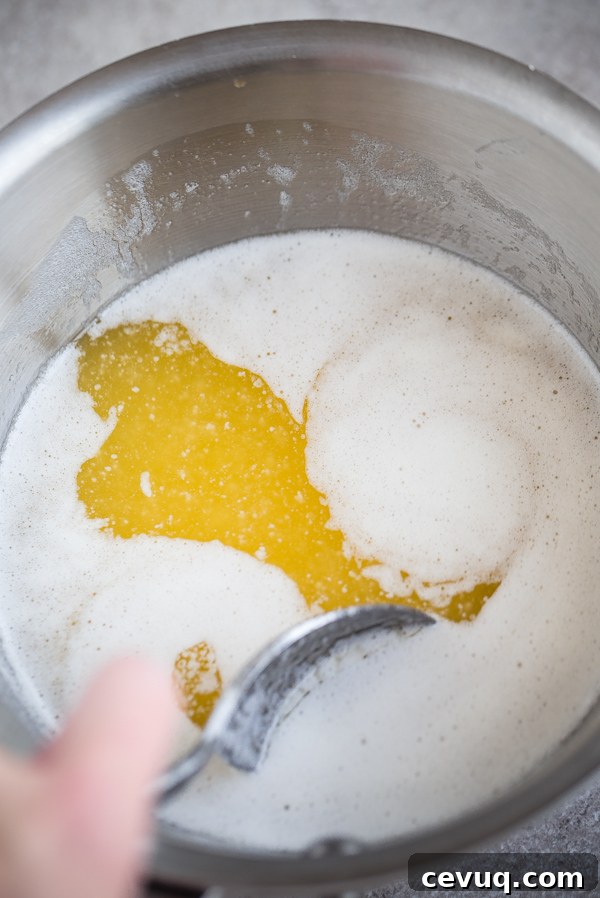
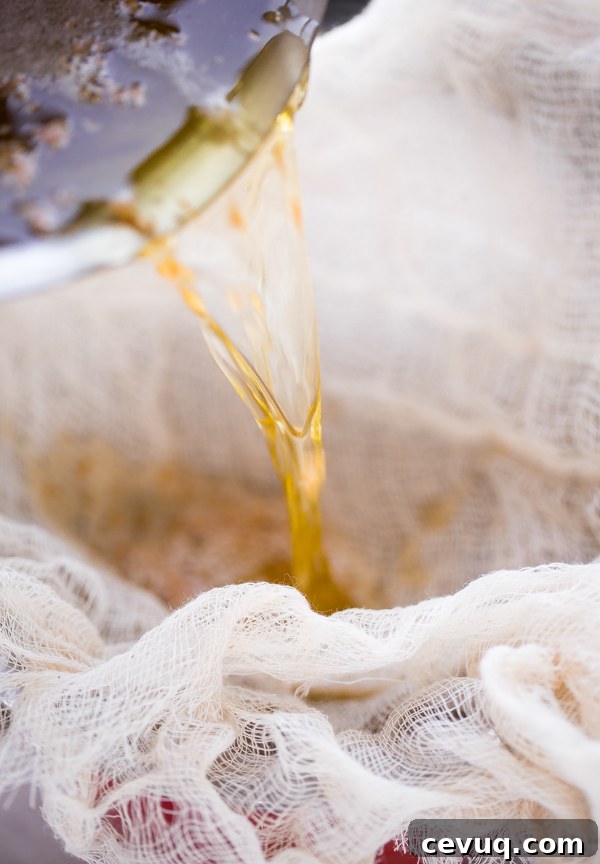
Making clarified butter requires gentle heat and patience. As butter melts and simmers, foam (whey proteins) rises to the surface and should be skimmed off. Water in the butter will cause spluttering as it evaporates, and milk solids will sink to the bottom. When spluttering ceases and the bubbles become tiny and quiet, the water has mostly evaporated. At that point, remove from heat, let sit, and strain through a cheesecloth-lined fine mesh sieve into a heatproof container. The resulting clarified butter should look clear and pale yellow.
Ghee
Ghee is a form of clarified butter that is cooked longer so the milk solids on the bottom of the pan caramelize slightly. It is a staple in Indian cooking and has become more common in other cuisines. The difference between clarified butter and ghee is subtle but important: ghee develops a light nutty aroma from the caramelized milk solids, and the color becomes more golden. Like clarified butter, ghee is strained to remove solids and is pure butterfat once finished.
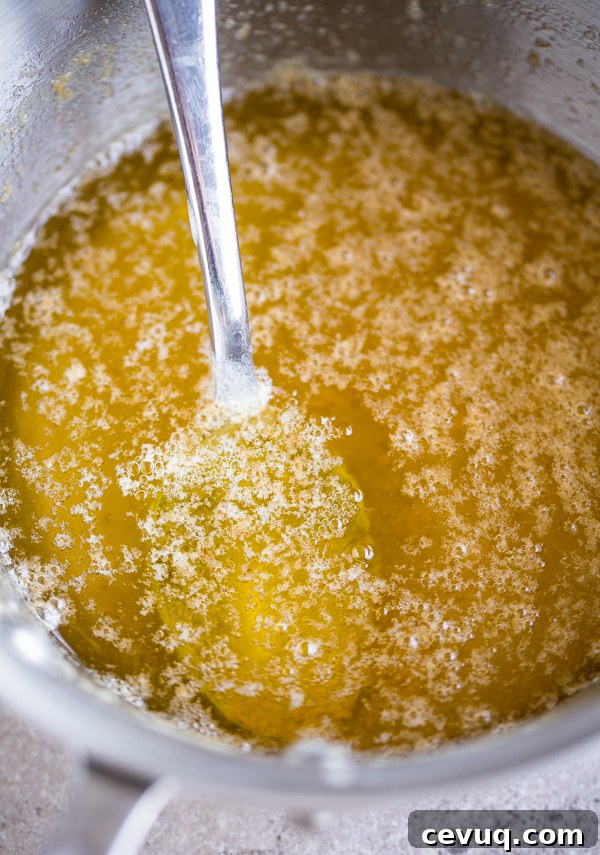
To make ghee, follow the clarified butter process, but after the foam subsides and the spluttering stops, continue cooking gently until the milk solids begin to turn golden and fragrant. Remove promptly, strain, and cool. Ghee stores well and is prized for its rich, nutty flavor and high smoke point.
Brown Butter
Brown butter (beurre noisette) is made by allowing the milk solids to caramelize fully, producing deep amber butterfat and intensely nutty, caramel-like flavors. Unlike clarified butter and ghee, brown butter retains those browned milk solids, which are the source of much of its flavor. Brown butter is cooked longer than ghee and must be watched carefully: the window between perfectly browned and burned is short.
The brown bits at the bottom of the pan are the most flavorful element; scrape them into the finished butter. Brown butter is excellent for baking, pastries, and desserts, and can be cooled and stored in the refrigerator. Because it contains milk solids that have already been cooked, use it at the end of cooking or over very low heat.
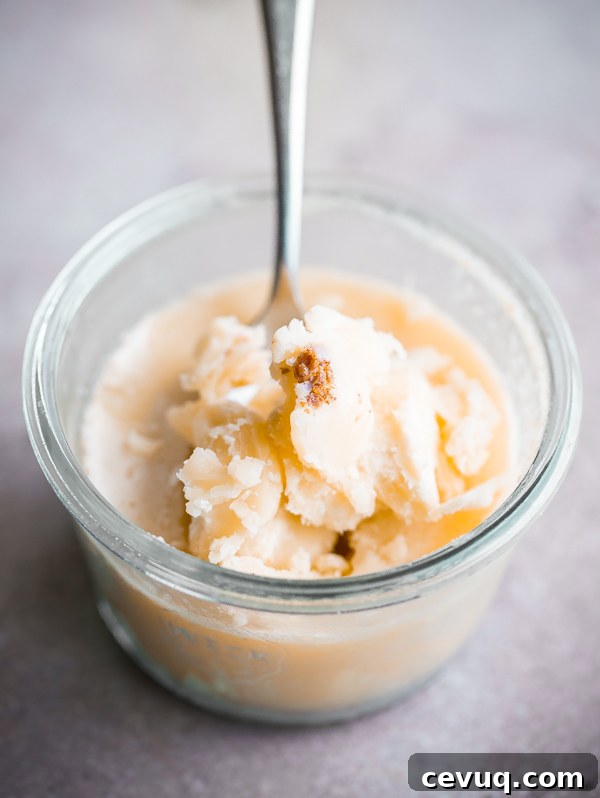
Brown butter pairs beautifully with baked goods, sauces, and ice cream bases. After cooling and solidifying in the fridge, you can use it in recipes in place of regular butter for an extra depth of flavor.
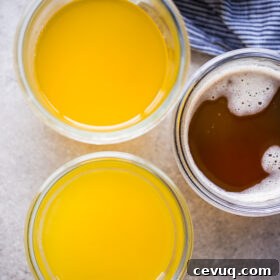
How to Make Clarified Butter, Ghee, and Brown Butter
Ingredients
- 2 sticks (8 oz; 230 g) high-quality unsalted butter preferably more
Instructions
How to Make Clarified Butter:
-
Line a fine-meshed sieve with a few layers of cheesecloth and set it over a large heatproof measuring cup. Set aside.
-
Cut the butter into ½-inch slices and place in a medium saucepan. Heat the butter over low heat until completely melted.
-
Allow the butter to simmer over low heat. Foam (whey proteins) will rise to the surface; use a spoon to carefully skim and remove the foam throughout the cooking process. Do not stir the butter. Save the skimmed foam for other uses if desired.
-
When the foam largely subsides and the butter begins to splutter with very small, clear bubbles, it’s nearly done—watch carefully.
-
Remove from heat, let sit a few minutes, skim any remaining foam, and carefully pour through the cheesecloth-lined sieve, leaving the solids in the pan. Cool, then store in a heatproof jar in the refrigerator (keeps at least a month).
How to Make Ghee:
-
Follow steps 1–4 above.
-
After the foam dissipates and spluttering decreases, continue cooking just until the milk solids on the bottom begin to caramelize and turn golden. You’ll notice a light nutty fragrance and a slightly deeper golden color compared to clarified butter.
-
Remove from heat immediately, skim any remaining foam, and strain through the cheesecloth-lined sieve so the solids are caught. Cool and store in a heatproof jar in the refrigerator (keeps at least a month).
How to Make Brown Butter:
-
Cut the butter into ½-inch slices and place in a medium saucepan. Heat over low heat until melted.
-
Allow the butter to simmer; you can increase heat to medium to speed the process but watch carefully.
-
Continue cooking as it bubbles and splutters, stirring continuously and scraping the pan bottom with a spatula so the milk solids caramelize evenly. As foam subsides, the milk solids will turn golden and the butter will become fragrant and amber in color. Reduce heat to low and swirl until the desired color and aroma are reached.
-
Turn off the heat immediately and transfer the butter to a heatproof bowl, scraping up the brown bits from the pan into the bowl — these are the most flavorful parts. Cool, then store in a jar in the refrigerator (keeps at least a week, often longer).