
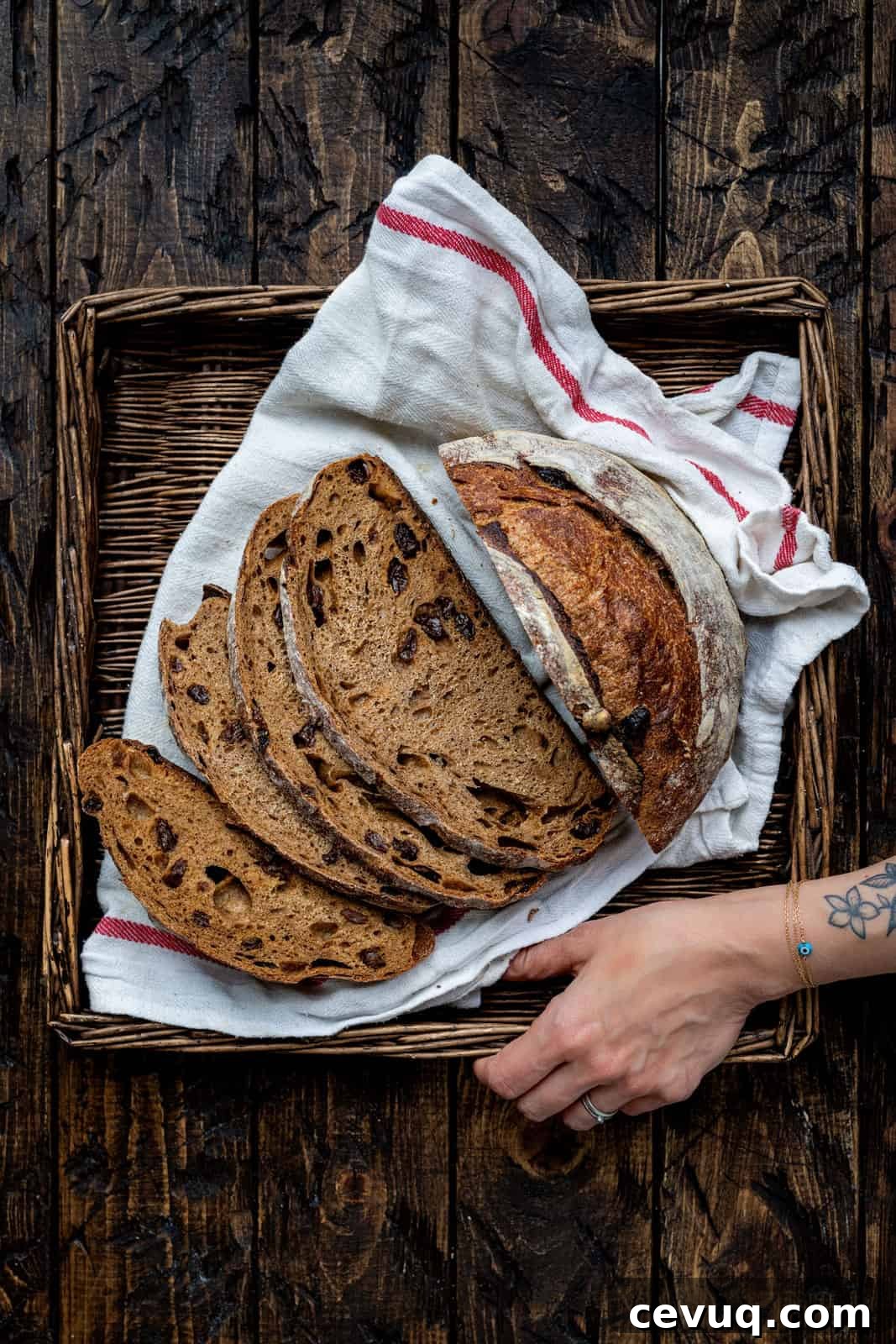
This Cinnamon Raisin Sourdough is simple enough for beginners and delivers a fragrant, warmly spiced loaf studded with plump raisins. It’s ideal for breakfast—slice and toast with butter, jam or honey for an irresistible start to the day.
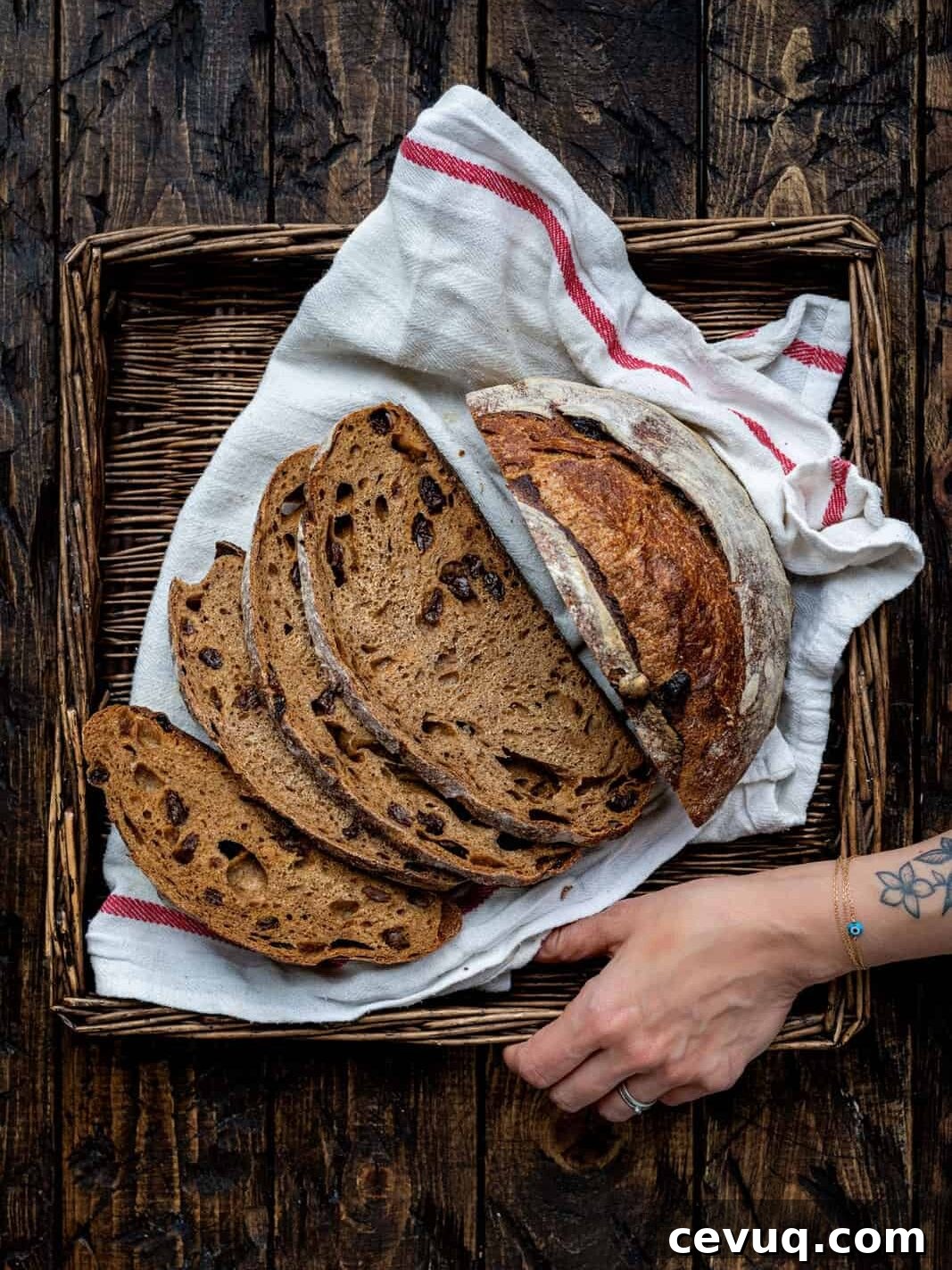
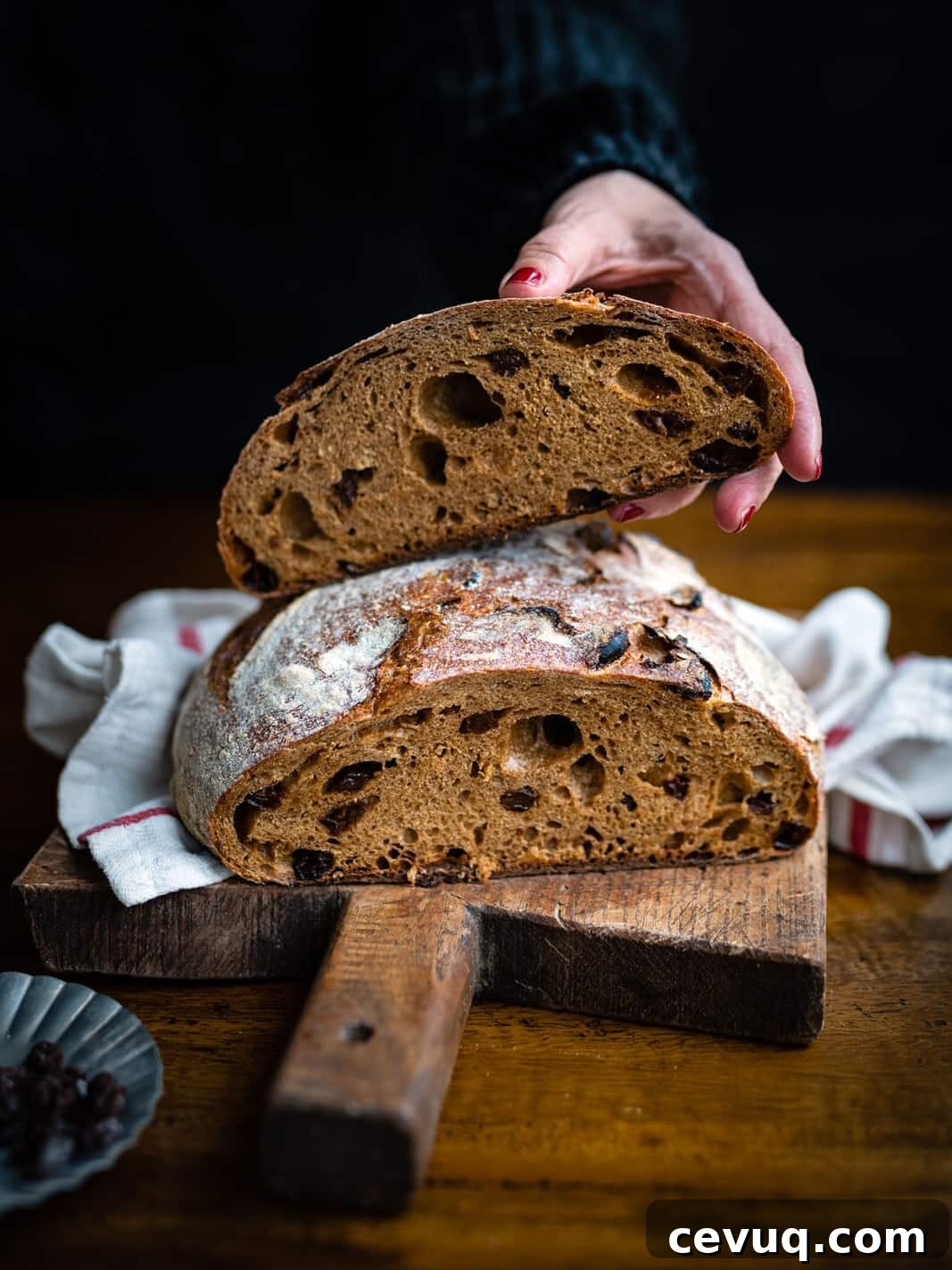
My overnight sourdough base is a reliable starting point for many variations. This cinnamon raisin version takes that classic loaf and adds warm spice and natural sweetness from raisins for a richer, more aromatic bread. The sourdough fermentation brings depth of flavor, a pleasant chew and improved keeping quality compared with a straight yeasted loaf.
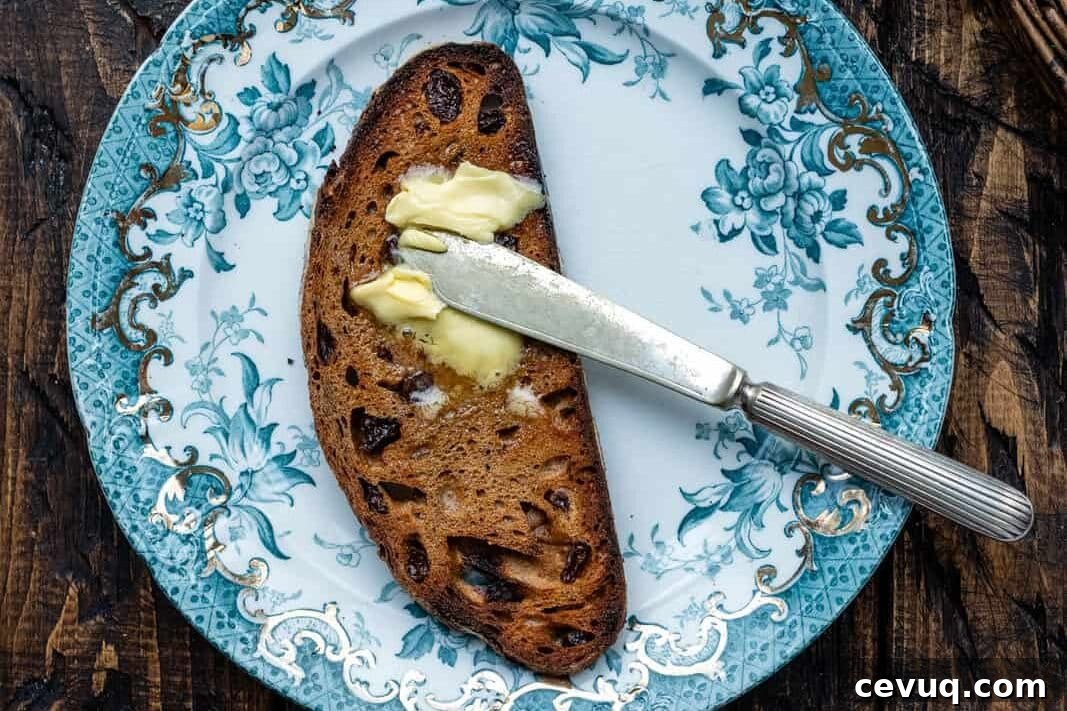
As it bakes the kitchen fills with a comforting aroma of cinnamon and caramelized raisins. Sliced and toasted, the loaf is wonderful with a pat of butter melting into each golden slice. With basic planning and an active sourdough starter, this recipe is rewarding and versatile.
Here’s What You’ll Need
This loaf requires some hands-off time for the overnight bulk fermentation, but the hands-on steps are straightforward. If room temperature is cool you can prove at room temperature overnight; in hot weather prefer the fridge for the overnight rise.
- Active sourdough starter (if you don’t have one, use a purchased starter or cultivate your own)
- Bread flour for structure; a mix of white bread flour and a portion of spelt or wholemeal works well
- Salt, brown sugar, ground cinnamon and raisins
- Water – filtered, bottled or tap water that has been boiled and cooled
- Molasses or a little treacle for color and depth of flavor
- Rice flour or gluten-free flour for dusting the proving basket
Useful equipment
- Digital scales for accurate measurements
- Bowl or banneton proofing basket for the final rise
- Lame, razor or a sharp knife for scoring
- Cast iron pot (Dutch oven) or bread cloche to bake in
- Large jar for mixing starter
- Spatula and a dough whisk for mixing
How To Make Cinnamon Raisin Sourdough Bread — Step By Step
Make the dough & bulk fermentation
- Feed your starter and leave at room temperature for 4–6 hours or until doubled and bubbly. A simple float test (a spoonful of starter floating in water) indicates readiness.
- In a large bowl, mix the active starter with the measured water until combined.
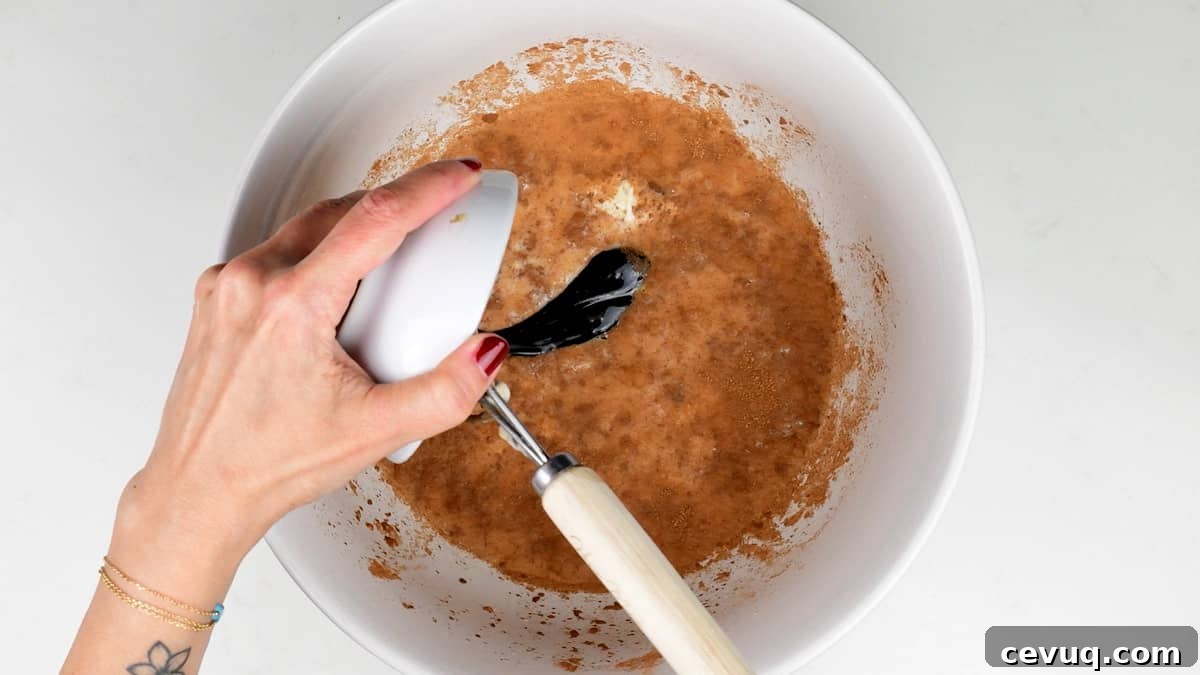
- Add raisins, sugar, cinnamon, salt and molasses; stir to incorporate.
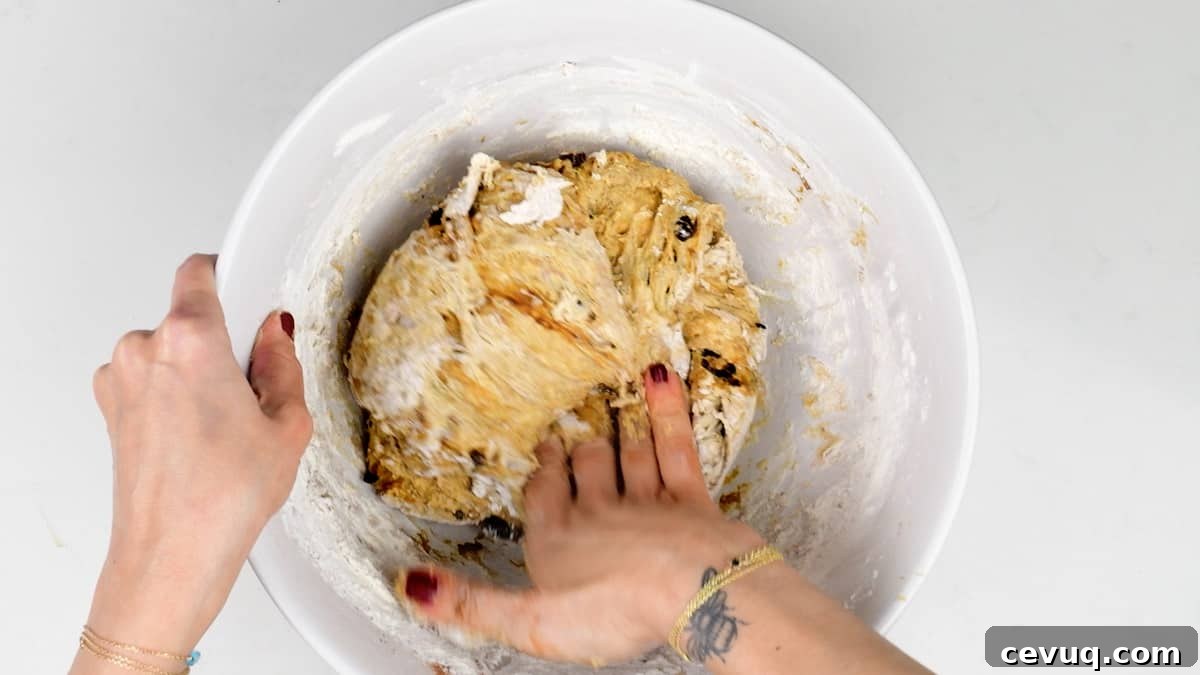
- Mix in the flours with a dough whisk or by hand until you have a sticky, well-hydrated dough. Make sure all flour is incorporated.
- Transfer the dough to a lightly misted rectangular container, cover and leave to rise overnight at room temperature (bulk fermentation). In hot weather, place the covered container in the fridge for the overnight fermentation.
Shape the bread & second rise
- The next morning your dough should have noticeably risen. Mist your work surface with water, turn the dough out gently and stretch it into a rectangle. Perform a letter fold (fold into three), then roll the folded dough into a tight ball.
- Flip the ball seam-side down, press any surface raisins inward, dust with rice or gluten-free flour and transfer seam-side down into a prepared proving basket or bowl. Pinch the seam to seal if needed.
- Cover loosely and allow the loaf to rise for about an hour or until the dough springs back slowly when gently pressed. Meanwhile preheat your oven with a lidded pot inside to 450°F (230°C) for at least 30 minutes.
Score and bake
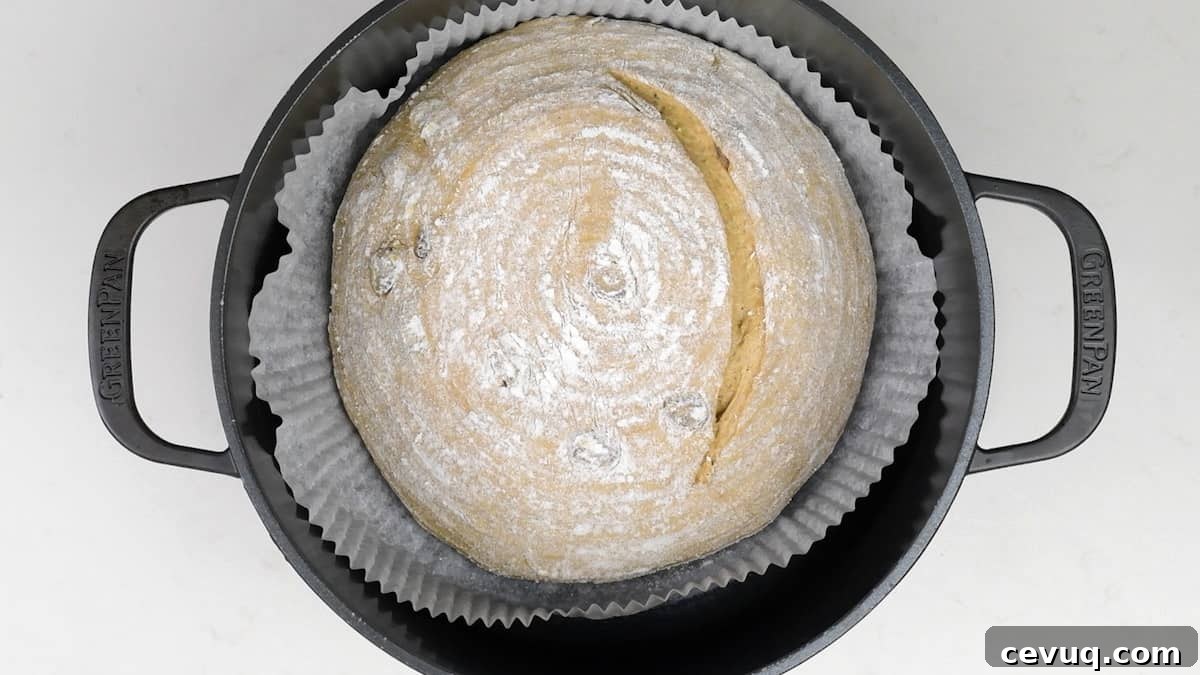
- Turn the loaf out onto a round piece of parchment or a silicone sling. Score the top with a sharp knife or lame to control expansion.
- Carefully lower the loaf into the preheated dutch oven using the parchment. Cover and bake for 20 minutes.
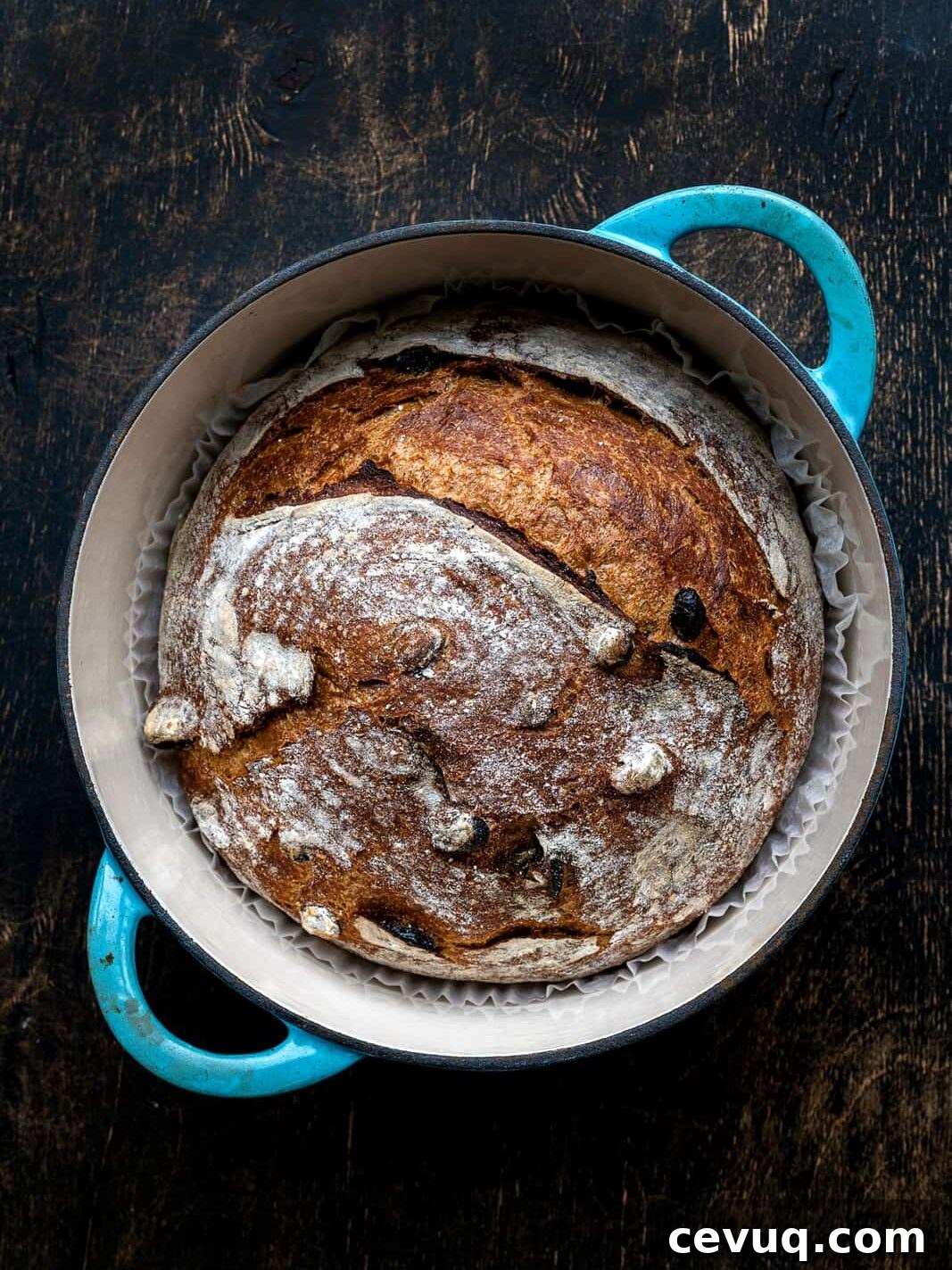
- Remove the lid, reduce the oven temperature to 425°F (220°C) and continue baking for 20–25 minutes until the loaf is well risen and sounds hollow when tapped on the bottom.
- Allow the bread to cool completely on a wire rack for at least an hour before slicing to preserve crumb texture.
How to Tell Sourdough Is Ready to Bake
1. The Finger Poke Test
Gently press a floured finger about ½ inch into the shaped loaf: if it springs back quickly it’s under-proofed; if it springs back slowly leaving a slight indentation it’s ready; if the indentation remains the loaf may be over-proofed.
2. Volume Increase
After shaping the dough should appear noticeably larger—typically about 30% growth rather than doubling like yeasted bread.
3. Surface Bubbles & Texture
Small surface bubbles and a slight wobble when nudged indicate good fermentation and readiness for baking.
How to Tell When Sourdough Is Baked
1. Internal Temperature: Use an instant-read thermometer inserted into the center of the loaf—target 205–210°F (96–99°C).
2. The Knock Test: Tap the bottom of the loaf; a hollow sound means it’s done. If unsure, give it an extra 5 minutes in the oven.
Leftovers and Storage
Once cool, wrap the loaf in a clean linen towel or a bread bag and store at room temperature for 2–3 days. Avoid slicing while the bread is still warm. For longer storage, slice the loaf and freeze the slices so you can toast them directly from frozen.
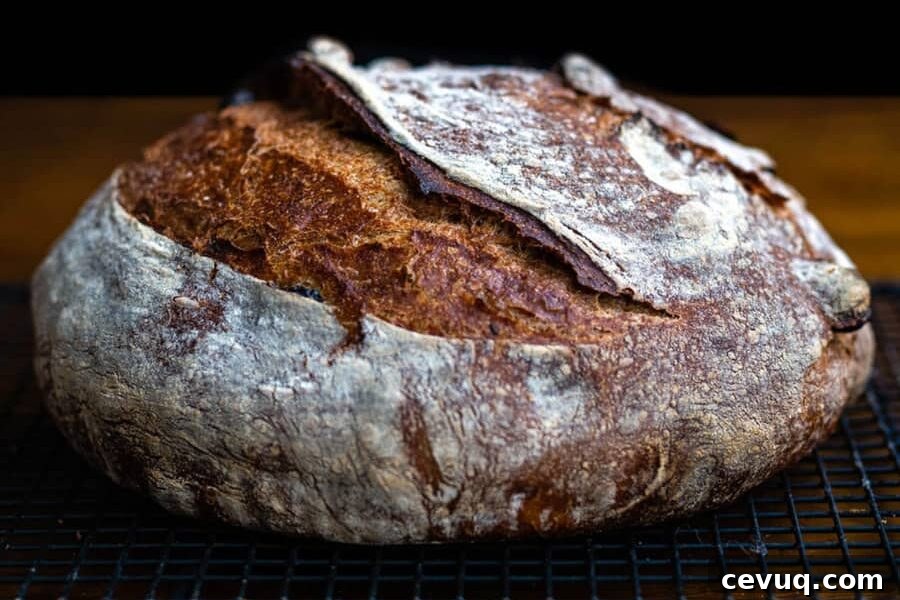
If you try this cinnamon raisin sourdough recipe, I’d love to know how it turned out. Sharing photos and feedback helps improve the recipe and inspires others to bake.
Cinnamon Raisin Sourdough Bread
A fragrant, beginner-friendly sourdough loaf with warm cinnamon and plump raisins. Perfect for breakfast or afternoon toast.
Prep Time: 10 minutes | Cook Time: 45 minutes | Overnight bulk fermentation + rise: 12 hours | Total Time: ~13 hours | Servings: 12 slices
Ingredients
For your starter
- ¼ cup (60g) mature starter, room temperature
- ¼ cup (60g) white bread flour
- ¼ cup (60g) tepid water
For the overnight sourdough
- ½ cup + 2 tbsp (150g) active starter
- 1¼ cups (300ml) water, tepid
- 100g (⅔ cup) raisins
- 2 tbsp molasses (or treacle)
- 2 tbsp brown sugar
- 2 tsp ground cinnamon
- 2 tsp sea salt
- 3¼ cups (400g) white bread flour
- 1 cup (120g) spelt flour (or wholemeal flour)
- Rice flour or gluten-free flour for dusting the proving basket
Instructions
Feed Your Starter
Feed 60g of mature starter with 60g flour and 60g lukewarm water. Leave 4–6 hours until doubled, bubbly and passing the float test.
Prepare the Dough
- Measure the active starter into a large bowl. Add the water and molasses and mix until combined.
- Add the raisins, brown sugar, cinnamon and salt; mix well.
- Add both flours and mix until the dough is sticky and well hydrated. Optional: after 30 minutes perform one set of stretch-and-folds to strengthen the dough.
- Transfer to a lightly misted rectangular container, cover and leave to bulk ferment overnight at room temperature (8–10 hours). In hot weather place in the fridge for 10–12 hours.
Shape the Sourdough
- Turn the dough out onto a lightly wet work surface without punching it down. Gently stretch into a rectangle and fold into three sections like a letter.
- Roll into a tight ball, flip seam-side down and shape into a round boule. Tuck the edges under to create surface tension.
Second Rise
- Dust the loaf with rice or gluten-free flour and place seam-up in a prepared banneton or bowl. Cover loosely and leave to rise about an hour.
- Preheat the oven to 450°F (230°C) with a lidded pot inside for at least 30 minutes before baking.
Bake
- Turn the loaf onto parchment, score the top and carefully lower it into the hot pot. Cover and bake 20 minutes.
- Remove the lid, reduce the oven to 425°F (220°C) and bake another 20–25 minutes until the crust is deep golden and the loaf sounds hollow when tapped.
- Cool completely on a wire rack at least one hour before slicing.
Notes
- Use digital scales for best accuracy.
- If ambient temperature is warm, refrigerate the dough overnight to slow fermentation.
- Slice and freeze extra slices for convenient toast from frozen.
Nutrition (approx. per slice)
Calories: 198 kcal | Carbohydrates: 42 g | Protein: 6 g | Fat: 1 g | Fiber: 2 g | Sugar: 3 g
Nutritional details are approximate and will vary by ingredient brands and serving sizes.