
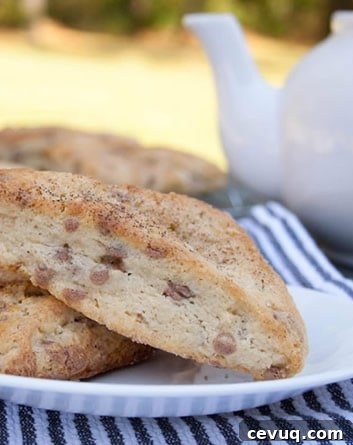
The first unforgettable scone I remember tasting was during afternoon tea at the Four Seasons.
My coworkers surprised me with a wedding shower in the office, and they chose an elegant afternoon tea theme. They transformed a large conference room and even the lobby foyer to create a refined, celebratory atmosphere. To preserve the surprise, they had to keep me away from one side of the office for a while, which only made the reveal more dramatic. The event felt particularly grand for an office shower — not surprising given the team included merchants, designers and product developers who are skilled at imagining and executing beautiful ideas. It remains one of my fondest office memories.
One of the gifts I received that day was a gift certificate for afternoon tea at the Four Seasons. My husband and I redeemed it one Valentine’s weekend. We savored champagne, sampled a variety of teas, and enjoyed an assortment of finger sandwiches and desserts. The scones stood out: rich, buttery, and tender, complemented perfectly by Devonshire cream and lemon curd. I asked for the recipe but couldn’t obtain it, which launched my determined search for a comparable scone I could recreate at home.
Over the next few years scones grew more popular and everyone seemed to have a go-to coffee shop favorite. A common complaint was dryness, a fault I worked hard to avoid in my own baking. I developed a preference for dense, buttery scones — those with a shortbread-like richness that melted in the mouth. Many recipes produced lighter, fluffier scones that felt closer to biscuits; they were pleasant, but not what I wanted. I kept searching cookbooks and online for a “dense buttery scone” and experimented until I discovered what I now call a short scone: a scone with a higher butter-to-flour ratio that yields a tender, rich crumb.
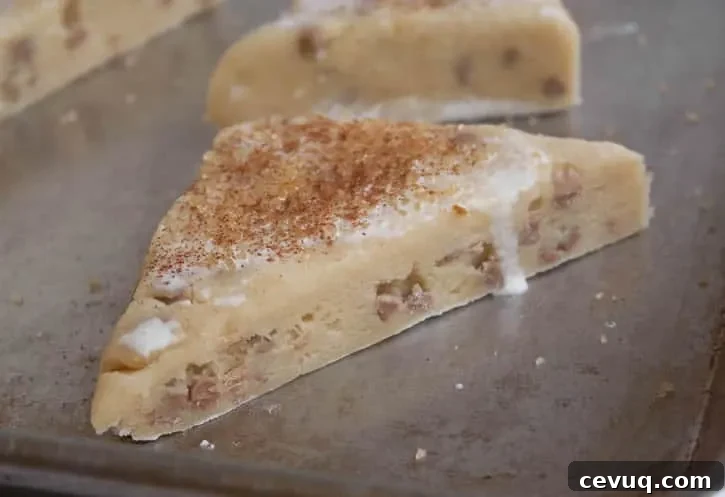
I learned that a higher proportion of butter—similar to what makes shortbread so tender—is the key. The short scones I found were good, but I still wanted them even shorter and richer. Over two years of testing, adjusting liquids, trying egg versus no egg, varying the butter-to-flour ratio and using different creams, I finally arrived at a version that satisfied my taste. The work required patience: you can only make, taste and share so many batches before friends and family begin to protest, so I paced myself.
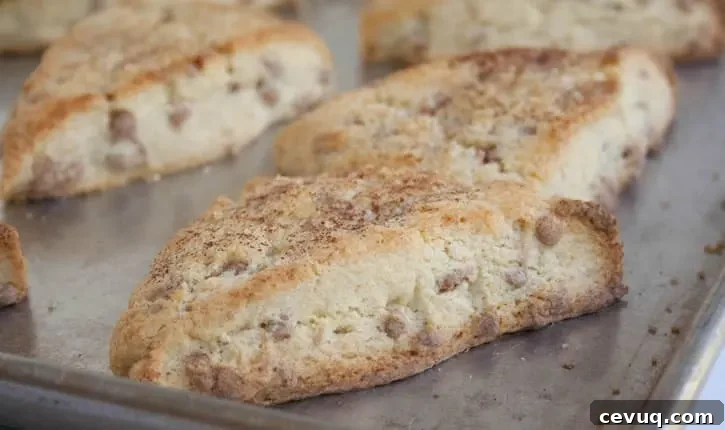
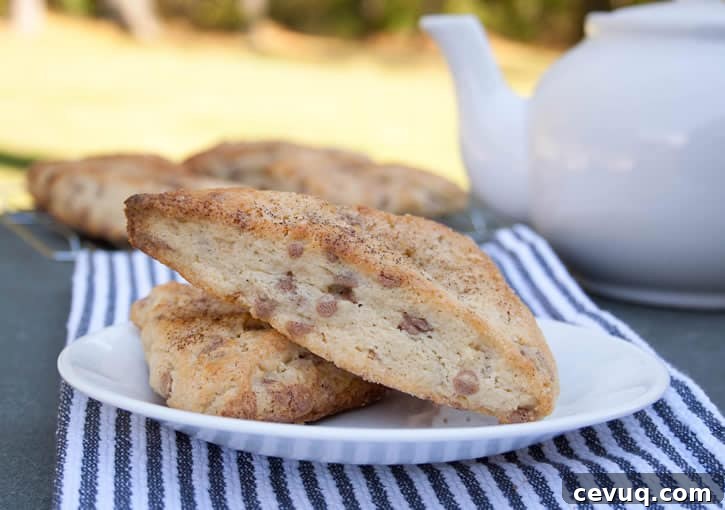
Panera’s cinnamon scone used to be my benchmark. Recently they changed their formula and now use a heavy sugary glaze, which I don’t prefer, though it appears popular with many customers. Tastes change, and bakeries evolve, but I’m pleased to have developed a recipe that yields a buttery, decadent scone worth an elegant afternoon tea. These remain my favorite cinnamon scones after all those tweaks and trials.
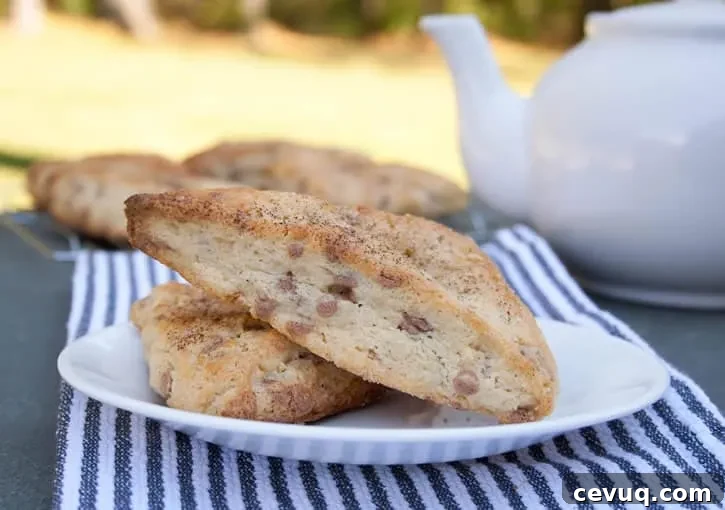
Because I enjoy baking scones so much, I plan to share other favorite scone recipes in the future. This particular recipe is the one I labored over and will likely continue to refine. It delivers a dense, tender texture with a satisfying richness that pairs beautifully with cream, jam, or a lightly sugared finish. These scones are indulgent while still feeling classic — appropriate for a special tea or a relaxed weekend brunch.
It’s been several years since that first Four Seasons scone. I’d love to return and compare, to see whether their scone still measures up to my memory and to these scones I now bake at home.
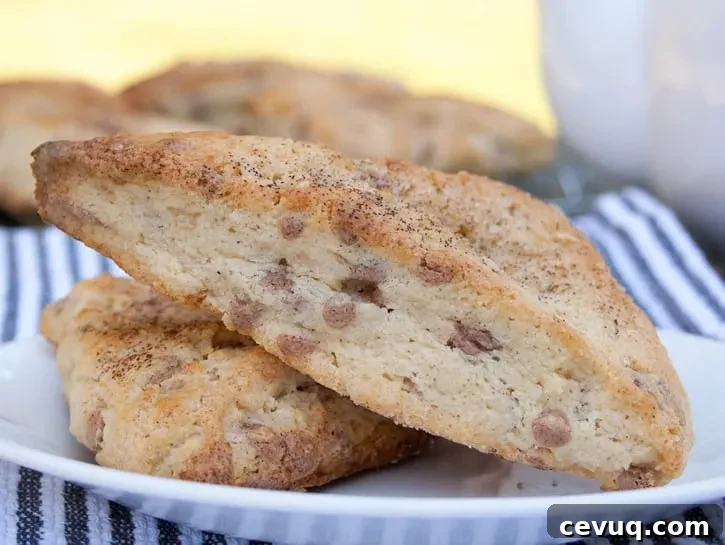
Their scone still measures up, I hope — but either way, these are the cinnamon scones I return to when I want something rich, tender and comforting.
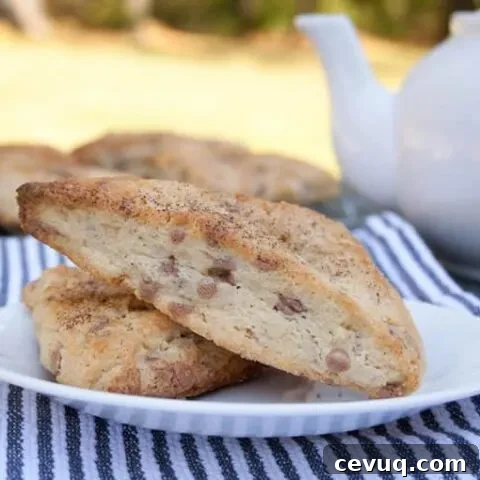
My Favorite Cinnamon Scones
8 large scones
I originally had a small recipe display issue on the site that has since been fixed. The recipe below is the correct original version.
Ingredients
- 2 1/4 cups all purpose flour
- 1/3 cup sugar (or up to 1/2 cup if you prefer a sweeter scone)
- 1 Tablespoon baking powder
- 1/8 teaspoon salt
- 1/4 teaspoon ground cinnamon
- 10 Tablespoons cold unsalted butter, cut into small pieces
- 1/2 cup cinnamon chips
- 1 large egg
- 1/4 cup or more heavy cream (to reach 1/2 cup when mixed with the egg)
- Additional heavy cream for brushing and cinnamon or raw sugar for sprinkling
Instructions
- Preheat the oven to 400 degrees F.
- In a medium bowl, whisk together the flour, sugar, baking powder, salt and ground cinnamon.
- Cut the cold butter into the flour mixture using a pastry cutter, two knives, or your fingertips until the mixture is crumbly and contains varied butter pieces no larger than peas.
- Stir in the cinnamon chips so they are evenly distributed.
- In a glass measuring cup, crack the egg then add heavy cream until the total reaches 1/2 cup. Mix with a fork until blended.
- Make a well in the center of the dry ingredients and pour in the egg and cream mixture. Toss gently with a fork until the liquid is distributed and the mixture starts to hold together. It may seem dry—resist adding more liquid, since too much will prevent the scones from holding their shape.
- Use your hands to knead the mixture in the bowl until it comes together. This can take a couple of minutes. Work quickly to avoid melting the butter; if your hands are warm, use a spatula or a large spoon to fold the dough intermittently.
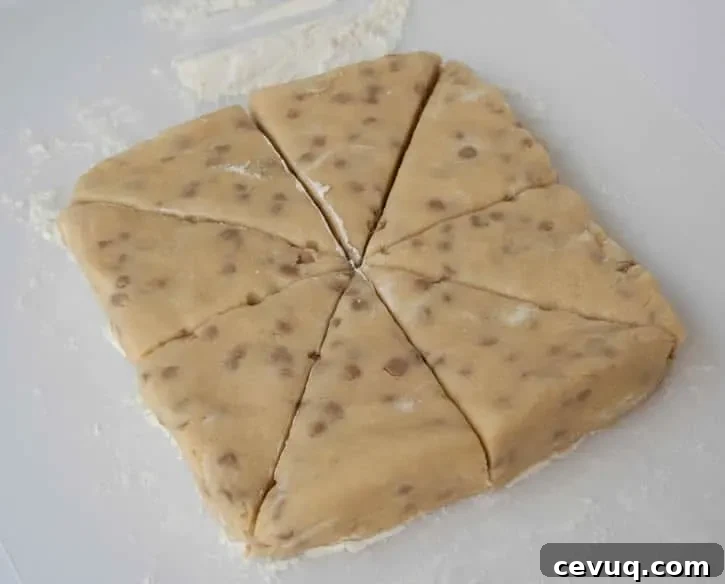
- On a lightly floured surface, pat the dough into a large square or circle about 1 inch thick once it holds together with no loose crumbs.
- If the dough becomes too soft from handling, chill it in the refrigerator briefly so the butter firms up. Alternatively, shape, cut and place the pieces on a baking sheet, then refrigerate or freeze them for 10–20 minutes before baking.
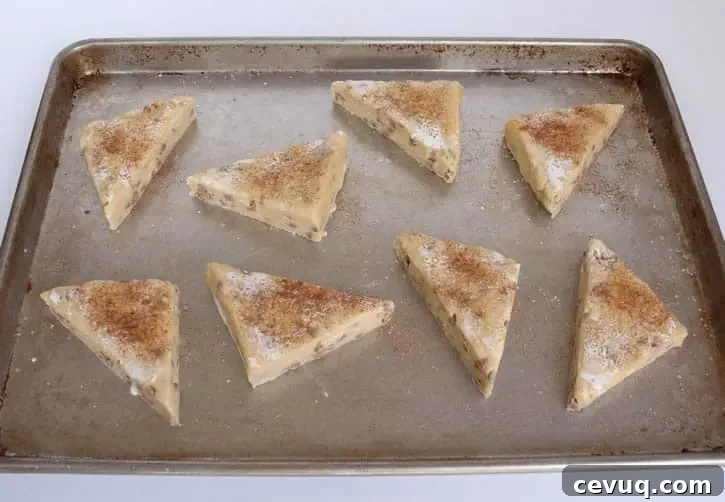
- Using a floured sharp knife, cut the dough into 8 triangles or your desired scone shapes. Arrange them on an ungreased baking sheet, leaving 1–2 inches between each for spreading.
- Brush the tops with additional heavy cream and sprinkle with raw sugar and a little cinnamon for sparkle and flavor.
- Bake for 10–12 minutes, or until the edges are lightly golden. Allow the scones to cool and set on the baking sheet for a few minutes before transferring to a rack to finish cooling.
Notes
I recommend using high-quality cinnamon chips if you can find them, as they add a concentrated burst of cinnamon without adding moisture. Because these scones have a relatively high butter content, store them covered at room temperature but not sealed airtight; they keep well for a day or two. To refresh them, warm briefly in a toaster oven to revive the crisp edges. You can also freeze the cut scones on a tray and transfer them to a sealed freezer bag; bake from frozen and add a couple of extra minutes to the baking time.
The Merchant Baker Copyright © 2014