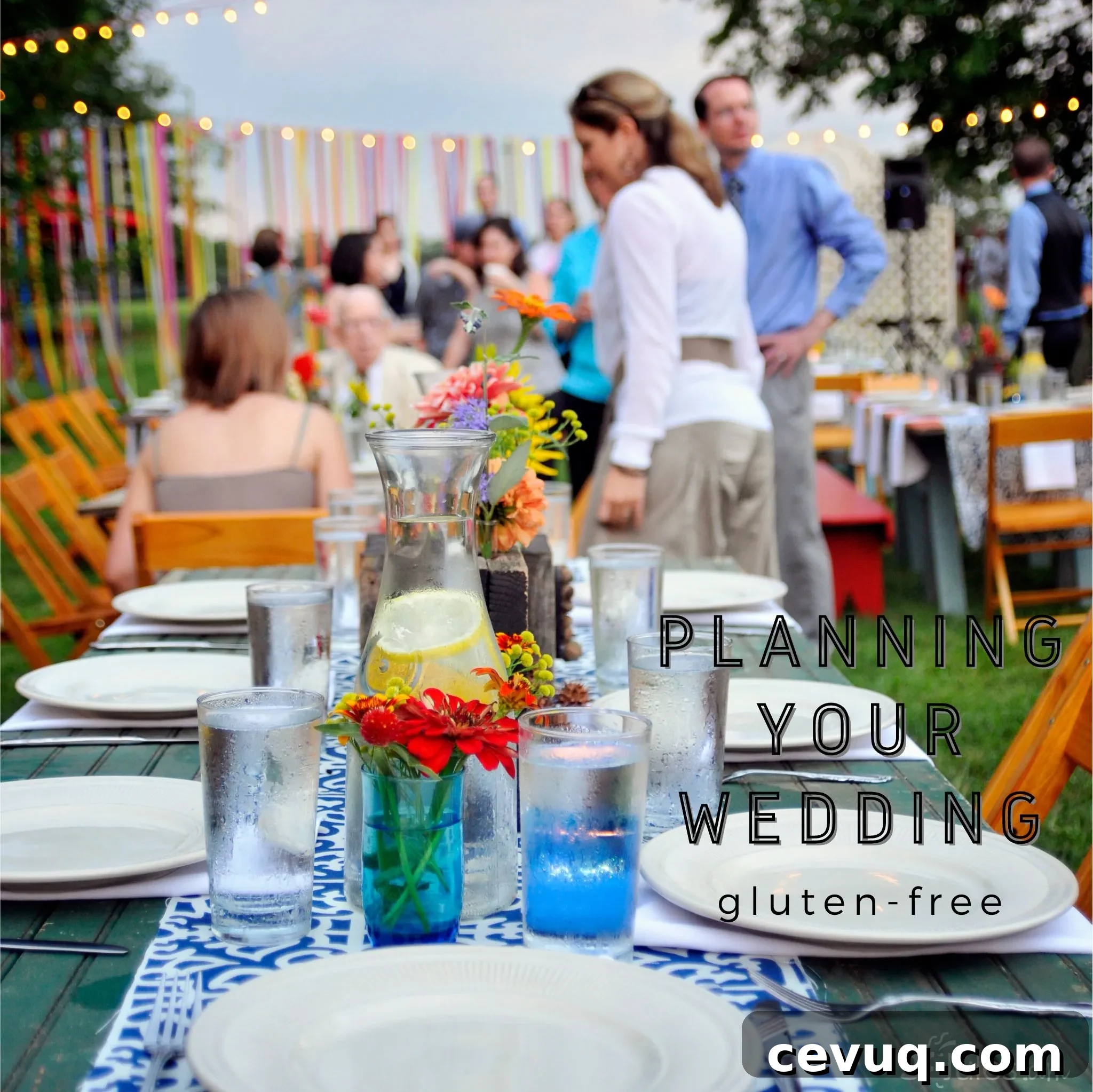
Whether your wedding is weeks, months, or a year away, there’s a lot to plan — and if you want a gluten-free celebration, it helps to start now. Many guests have attended events where finding safe, gluten-free options was difficult or stressful. As the planner, you can change that. With clear choices and a bit of preparation, you can serve food that is safe, affordable, and delicious. Here’s how to plan a memorable gluten-free wedding without letting dietary needs overshadow the celebration.
Having planned my own gluten- and dairy-free wedding, I can assure you that dietary restrictions add complexity but don’t need to be painful or costly. Importantly, they shouldn’t define the day.
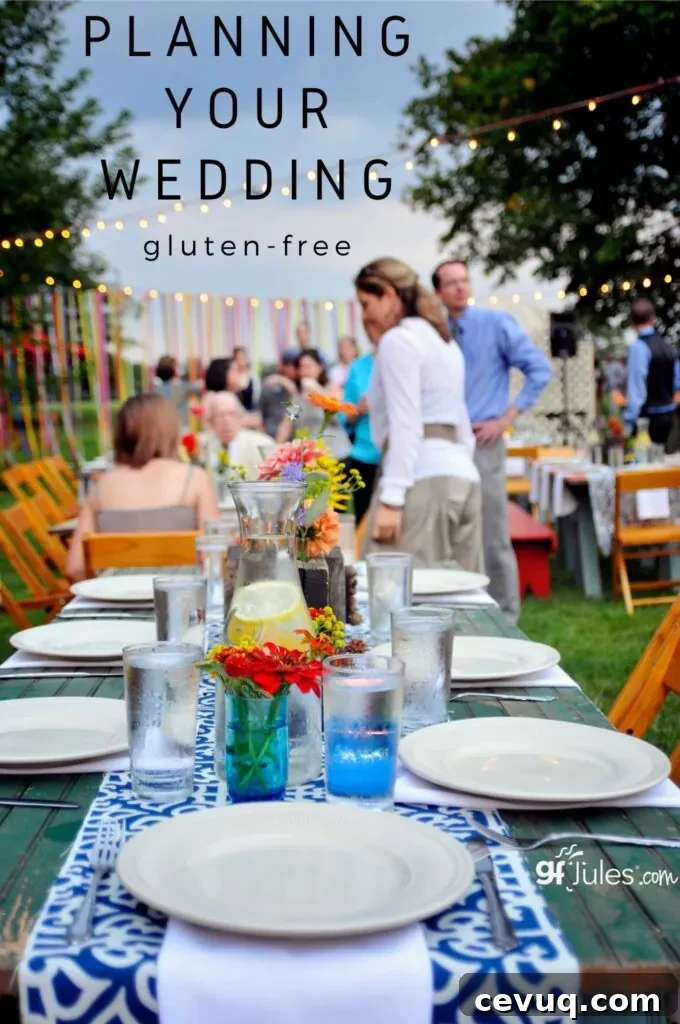
I knew most of the guests and their dietary needs, and I wanted everyone to enjoy a worry-free evening. Our goal was simple: no one should worry about ingredients or cross-contact, and no one should go hungry. I also didn’t want guests who can eat anything to notice that the food was gluten-free. With focused planning, we pulled off a reception guests loved — and we did it in about four months without undue stress or expense.
Location, location, location
Season and time of day influence which venues work best. If you’re lucky enough to use a friend or family member’s home or garden, you’ll have full control over food and can keep costs down. If you must rent a venue, you may be limited to certain caterers, so pick a venue that allows the catering flexibility you need.
#1 TIP: Many venues don’t fully understand gluten-free needs or cross-contact prevention. Ask detailed questions. When they realize they don’t know, you can often negotiate special exceptions that save money.
At our venue, once they understood the safety concerns, I was allowed to bring in my own gluten-free snacks and cake. That saved a lot of money because venues often mark up specialty items heavily. We set those items at stations and bars so guests always had something safe to grab. Small nibbles keep people satisfied, especially if you’re not serving a sit-down dinner.
Choosing the Gluten-Free Wedding Food
Decide whether you need a full-course meal. A buffet is practical: guests choose what they like, food waste is reduced, and themed stations can be both festive and allergy-friendly. You don’t need to put gluten-containing foods next to gluten-free dishes; if everything offered is gluten-free, cross-contact becomes a non-issue.
There are plenty of delicious gluten-free options now, so guests won’t miss anything. Popular themes include build-your-own tacos, carving stations, grilled vegetables, steamed shrimp, sushi, or raw oysters — many of which are naturally gluten-free or easy to adapt.
Pasta bars can be 100 percent gluten-free if the caterer uses your chosen gluten-free pasta and follows protocols for separate pots, fresh water, and clean utensils. Short noodles like penne or rigatoni are also easier for guests in formal attire. Pasta bars are filling and budget-friendly.
Consider ethnic themes: Thai, Vietnamese, Mexican, or Italian menus often include rice-, corn-, or potato-based dishes that are naturally gluten-free or can easily be adapted by using gluten-free tamari instead of soy sauce and gluten-free rice papers, tortillas, or pasta substitutes. Don’t overlook simple, naturally gluten-free staples like salads, roasted vegetables, potatoes, and rice.
At our reception we served a vegan and gluten-free mashed potato and mashed sweet potato bar. It was simple, novel, filling, and loved by everyone — a great choice when alcohol is served so guests aren’t drinking on an empty stomach.
Ask venues if you can bring your own liquor to save money; many will still require their bartender for licensing reasons. Use their glassware unless you plan on disposable. Have the caterer or venue recommend quantities and, if possible, buy from a distributor that accepts returns on unopened bottles.
Questions to Ask Your Caterer or Bakery
A good caterer will help you design a safe, interesting menu within your budget. Ask these questions to evaluate their understanding of gluten-free production and cross-contact prevention:
- Have you ever catered an event that was entirely gluten-free?
- What menu items do you currently offer that are gluten-free?
- Do you have dedicated areas in your kitchen for gluten-free or allergen-free preparation?
- How do you handle foods for special diets?
- Are there airborne flours in your kitchen, and do you make breads or pastries on-site?
- Do you use separate pans and utensils for gluten-free foods?
- Is your staff trained in safe production and handling of gluten-free foods?
- Will you use ingredients I provide or approve, such as a specific gluten-free pasta?
Trust your instincts. If a caterer’s answers don’t inspire confidence, keep looking. With enough time, you’ll find someone who meets your standards.
The Gluten-Free Wedding Cake
The wedding cake remains a centerpiece, and a gluten-free cake can be just as beautiful and delicious as any traditional cake. You can make the cake yourself, ask a friend or family member to bake it, or work with a bakery that offers gluten-free options. Cupcakes are a convenient alternative — easy to serve and trendy.
Visit bakeries in person and ask how they prevent cross-contact. Some bakeries will even decorate a gluten-free cake you provide, but ensure their decorating area and tools are free of gluten. Dedicated gluten-free bakeries are ideal, but many conventional bakeries now offer gluten-free choices — just confirm their processes and request a tasting after you’ve vetted their safety practices.
A reader’s experience sums it up well: make the whole cake gluten-free so everyone can enjoy it. The food will be delicious and you’ll be worry-free.
Party Favors
Choose local, handmade, or edible favors that reflect your wedding’s character: local honey, jam, candles, pressed flowers, or carved trinkets are thoughtful and memorable. If you want edible favors, consider hosting a cookie-baking party with friends to make gluten-free cookies to package as favors. Freeze them ahead of time and package them before the event so you’re not wrapping favors on your wedding day.
The classic Jordan Almonds often contain wheat-based ingredients, so they’re not always gluten-free. Look for gluten-free alternatives, like certain almond candies, or choose non-edible favors if you prefer. You can also skip favors entirely — guests won’t miss them, and skipping can reduce stress and expense.
A wonderful wedding
If the bride or groom is gluten-free, you can serve food that fits the diet without compromising quality or variety. A fully gluten-free menu keeps everyone safe and lets you focus on the celebration. The most memorable weddings are about sharing joy with loved ones; the food should be a safe, stress-free enhancement to that experience.