This Ramadan is an excellent opportunity to adopt a more eco-friendly routine or deepen your existing commitment to sustainability by saving fruit and vegetable scraps, eggshells, tea bags, and coffee grounds for composting.
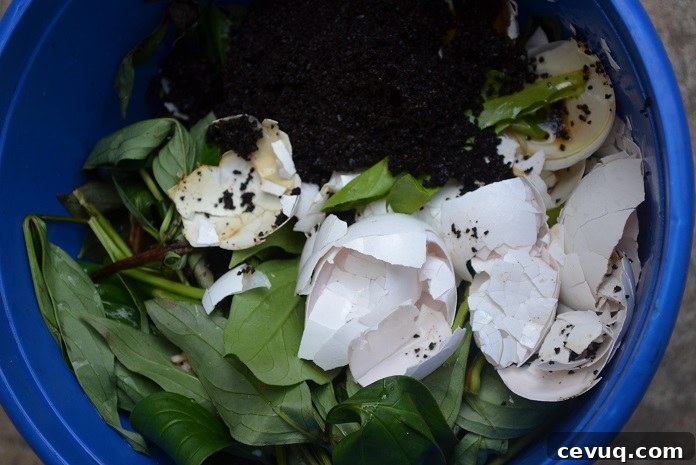
A small bucket with a tight-fitting lid makes collecting kitchen scraps simple and tidy. Keep it somewhere convenient so you can transfer the contents to your compost bin easily. If you don’t have a dedicated bin, you can chop or shred scraps and mix them directly into garden soil when planting.
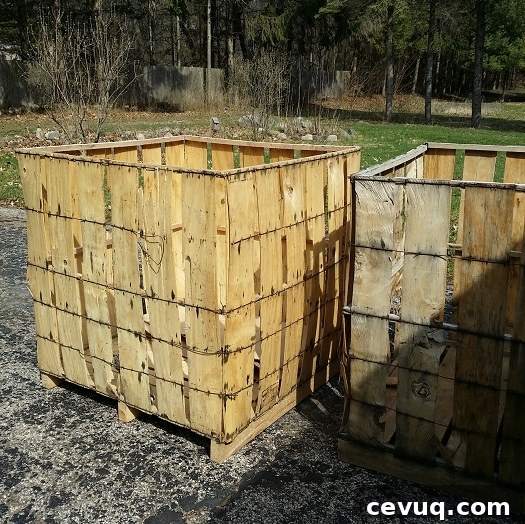
Here is our compost bin. While it has openings, the material will compact and the surface will become denser as the pile matures, reducing any issues over time, insha’Allah. For now it’s working well with food scraps and heavier yard waste like leaves, prunings, and evergreen trimmings.
You don’t need bins this large unless you plan to grow a lot of organic produce. We’re producing many fruits and vegetables on our property, so we need substantial amounts of nutrient-rich compost. Buying that volume would be costly, so making it ourselves is far more practical and sustainable.
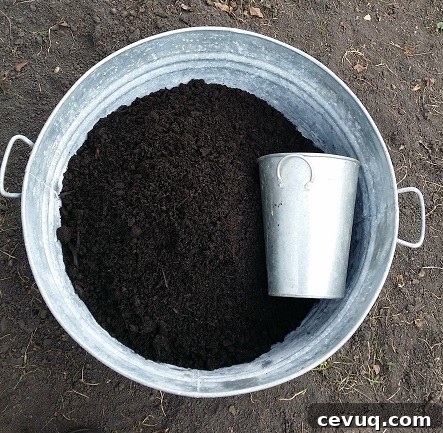
And this is what finished compost looks like. Often called “black gold,” high-quality compost is dark, crumbly, and rich in organic matter. It’s ideal for starting seeds, repotting plants, or amending garden soil to boost nutrient content and structure. Composting is one of the most effective forms of recycling—reusing kitchen and garden waste to nourish the soil.
Knowing that every banana peel, every salad scrap, and every eggshell will eventually become food for the soil gives me a deep sense of satisfaction. Those nutrients return to the earth and help grow the plants that will feed us again, insha’Allah. It’s a simple, powerful cycle of reuse and renewal.
Ramadan is a wonderful time to reflect on and appreciate this cycle of giving back to the earth. Don’t you think?