
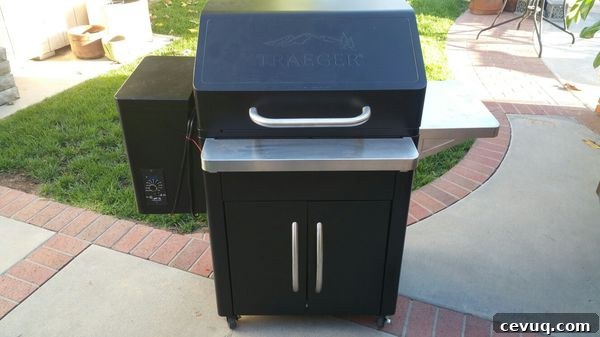
The Traeger Silverton 620 is a special-edition pellet grill from a brand that has led the development of modern pellet grilling for decades. Rare and sought after, the Silverton raises the question: is it worth the extra cost and effort to find one? This review examines the features and real-world value of the Silverton to help you decide.
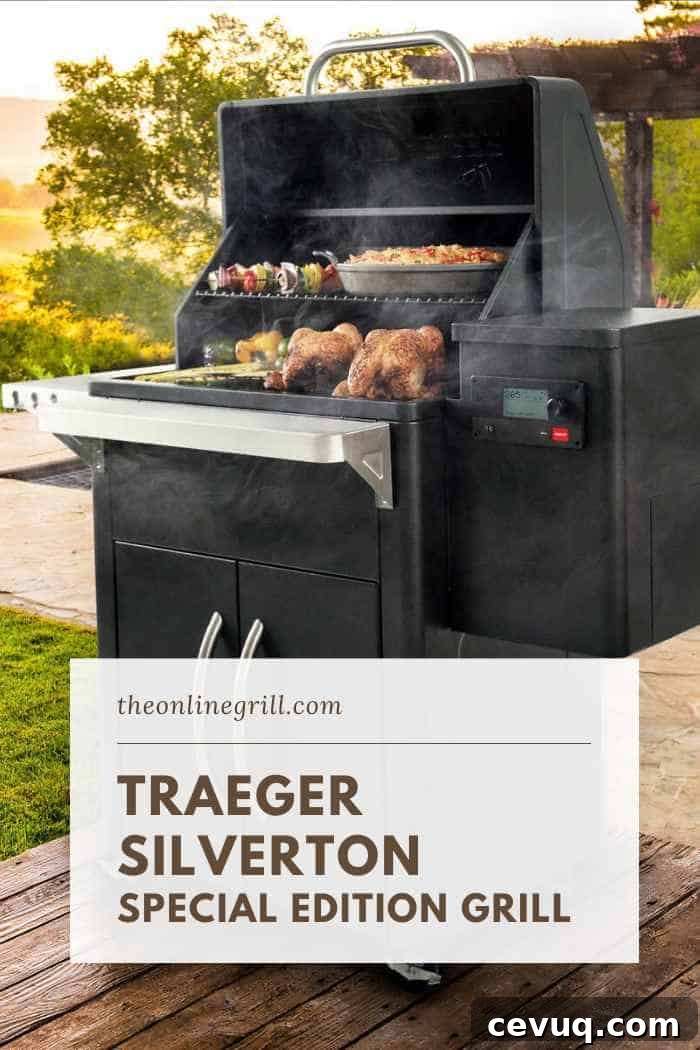
- Traeger Silverton Specifications
- Silverton alternatives
- Stainless steel construction
- Large hopper capacity
- Gen 2 motor series
- Grilling power
- Heat shield
- Does the Traeger Silverton have WiFire?
- How to clean the Traeger Silverton
Traeger helped popularize pellet smokers in home barbecue culture and remains a strong name in the category. With increasing competition from other manufacturers, it’s worth examining how Traeger’s newer models, like the Silverton, stack up.
Released in 2018 as a limited special edition, the Silverton is no longer commonly available new. It does appear occasionally on the second-hand market, and its upgraded features make it an attractive option if you find one at a reasonable price.
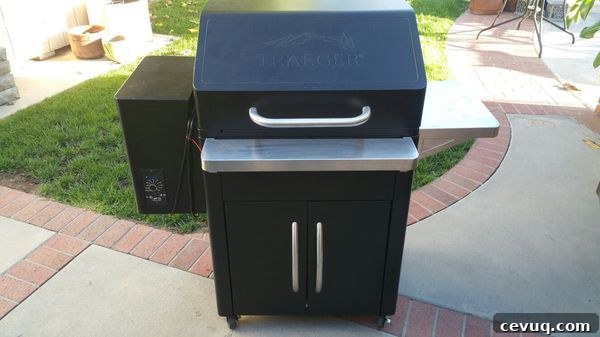
Below we unpack the most important elements of the Silverton—what changed compared with the Pro Series 22, what improvements matter most, and whether those improvements justify hunting down this special edition.
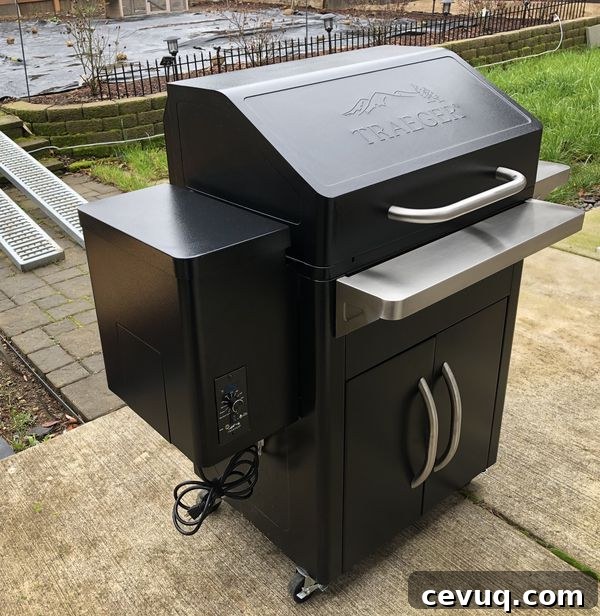
Traeger Silverton Specifications
Silverton alternatives
If you prefer a new Traeger model, the Pro Series 22 is the closest contemporary option and served as the basis for the Silverton upgrades. The Pro Series remains a reliable choice for those who want a familiar Traeger experience without hunting for a limited edition.
Stainless steel construction
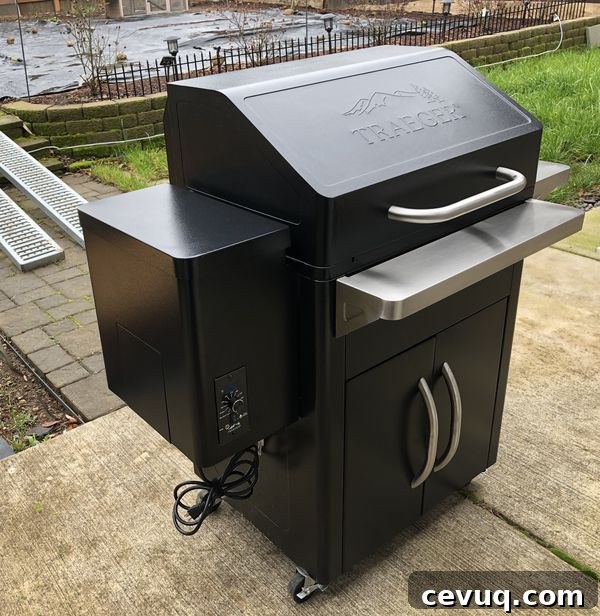
The Silverton refines the Traeger 22 series with a number of noticeable upgrades. Inside the cooking chamber, Traeger uses stainless steel rather than exposed powder coating. That change improves durability and reduces the risk of interior coating showing wear after extended use.
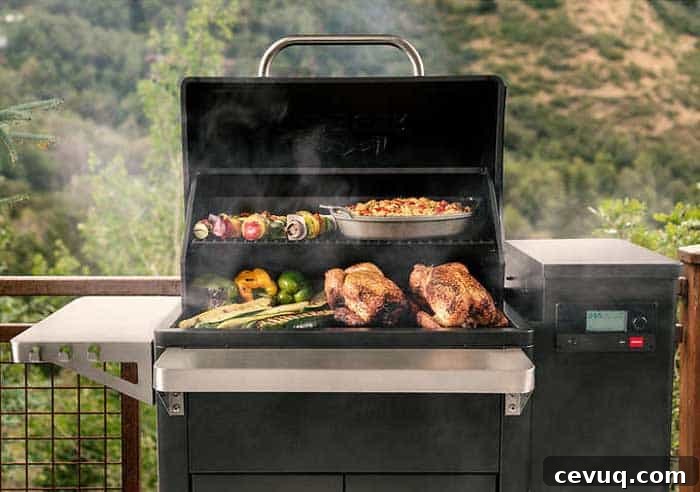
The chamber includes dual cast-iron cooking grates with a clear, food-safe coating to protect them and make cleaning easier. Together the grates provide roughly 600 square inches of usable cooking space across two levels, enough room for most family and entertaining needs.
Large hopper capacity
One of the clearest upgrades over the 22 series is hopper size. The Silverton uses a 25-pound hopper—up from 18 pounds on the 22—equating to roughly five gallons of pellets. That larger capacity reduces the frequency of refills during long cooks and makes the grill more convenient for multi-hour smoking sessions.
Traeger added a pellet dump door to make hopper cleaning and pellet recovery easier. The hopper’s sloped interior and revised geometry help funnel pellets toward the dump door and reduce trapped material, making maintenance simpler.
Gen 2 motor series
The auger on the Silverton uses Traeger’s Gen 2 motor technology, a brushless DC design that offers greater reliability and power compared with the older Gen 1 units. Gen 2 motors provide stronger torque and include clog sensors that can reverse the auger to clear jams, improving reliability during extended cooks.
These motors represent a meaningful step up in robustness and are often found in Traeger’s higher-end models, making their inclusion on the Silverton a notable benefit for owners who want fewer interruptions and longer-lasting components.
The Silverton also uses an improved heat deflector designed to resist warping with repeated use, which helps maintain consistent heat distribution over the long term.
Grilling power
Double-lined construction improves heat retention and durability on the Silverton. Traeger rates the larger models in the Silverton family with equivalent heating performance up to roughly 32,000 BTU, which aligns with their higher-capacity home grills and supports both searing and low-and-slow smoking.
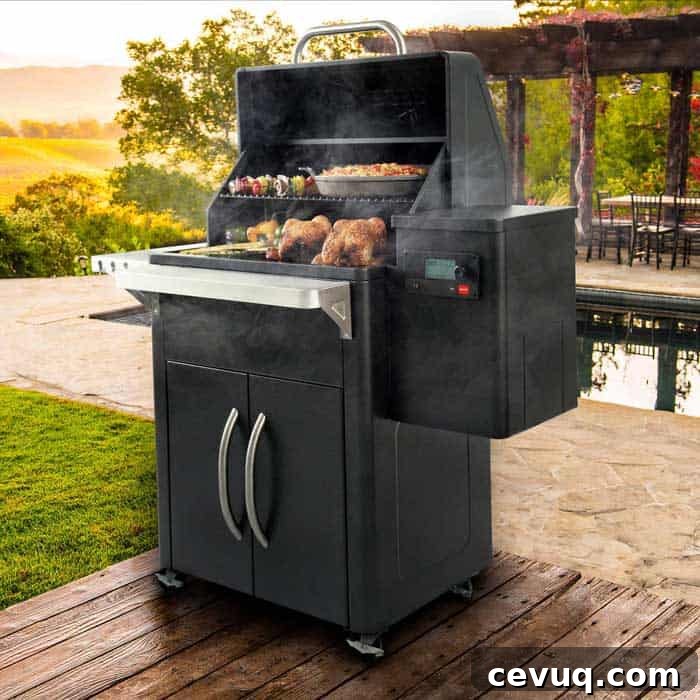
Traeger redesigned venting on the Silverton, replacing the traditional vertical smoke stack with a downdraft system that routes exhaust and smoke out the side. This change can improve airflow and smoke movement inside the chamber for a more even cooking environment.
Another practical update is the internalized drain and funnel system. Rather than routing grease outside the unit, the Silverton collects runoff inside and provides access through lower doors. That keeps the area around the grill cleaner and makes grease management easier and more hygienic.
Heat shield
The heat shield on the Silverton departs from the boxy design used on older models. It adopts a rounded shape that sits above the firebox, resisting warping and helping distribute heat more consistently. The drip tray sits above the heat exchanger and beneath the grates to catch drippings and funnel them to the internal drain.
Grates are porcelain-enamel coated for even heat and reduced flare-ups, and the Silverton includes a cast-iron grate insert that sits on top of the porcelain to improve searing capability. The combination gives you the convenience of easy cleanup with the option to get a better sear when needed.
The cooking area measures approximately 18 inches deep by 24 inches wide, offering generous capacity for large cuts like whole turkeys, beer-can chickens, or sizable roasts.
Does the Traeger Silverton have WiFire?
Yes. The Silverton 610 and 820 models include Traeger’s WiFire connectivity, allowing remote monitoring and control through the Traeger app. WiFire adds practical convenience—adjusting temperature, monitoring cook progress, and receiving alerts from your phone makes long smokes easier to manage.
How to clean the Traeger Silverton
Regular cleaning and maintenance extend the life and performance of any pellet grill. The Silverton’s design improvements—larger hopper with dump door, internal drain and accessible lower doors—make routine care easier, but there are still a few important steps to follow for best results.
You will need:
- Grill cleaner: Use a food-safe grill cleaner suitable for coated grates and stainless interiors.
- Painter’s tool or scraper: Useful for removing baked-on residue from grates and the chamber.
- Small vacuum or shop vac: Pellets create dust and ash that collect in the fire pot and hopper—vacuuming these areas helps prevent clogs.
Begin by emptying the hopper via the pellet dump door into a bucket; keep pellets if they’re clean and dry for future use and store them airtight to prevent moisture. Open the cooking chamber and brush the grates from top to bottom, then remove and flip them to clean undersides. Take care around the temperature probe so you don’t damage it.
Use your scraper to loosen residue from the chamber walls and the heat deflector, allowing debris to fall to the bottom for easier removal. Remove the drip tray, heat deflector, and any removable panels and clean them outside the chamber. Vacuum the fire pot, hopper area, and chamber to remove ash and pellet dust.
Wipe internal surfaces with a dry or slightly damp cloth where appropriate, then reassemble the grill, refill the hopper with dry pellets, and you’re ready to cook. Regular cleaning after heavy use and periodic deeper maintenance will keep the Silverton performing well for years.